
Oven Door Cleaning Hacks
Cleaning your oven door doesn't have to be a daunting task, and there are several effective hacks to achieve a sparkling finish using natural ingredients. One popular method involves creating a paste with baking soda and dish soap, applying it to the glass, and letting it sit for 20-30 minutes before scrubbing it away. For a steam-cleaning approach, you can place a bowl of vinegar and water in a preheated oven, allowing the steam to loosen grime for easier cleaning.
Sparkling Clean Genius Oven Door Cleaning Hacks That Actually Work
Effective Techniques For A Spotless Oven Door
In effect, grease and the unappealing splatters make for nightmarous oven door cleaning, while over grime eventually works a disaster. Well, other than the gross look, having that oven door dirty really will affect the cooking process-in the sense that it doesn't give you a really clear view of whatever one is cooking. Fortunately, there are several workable hacks to enable you in cleaning that oven door as smoothly as possible. For all practical purposes, there might also just be magic-and yes, the following genius methods just may do that.

1. Baking Soda Paste: The Greatest Cleaner
Baking soda is renowned for its properties as a cleaner and nothing short of astonishment while cleaning oven doors. To do this using this method, follow the steps below.
Sprinkle Baking Soda: Sprinkle a good amount of baking soda on the surface of your oven glass door, particularly on those areas with heavy buildup or stains.
Make a Paste: Wet the sponge or cloth with water, then dip into the baking soda; make it thick in paste form but not so watery to spread it around easily.
Let It Sit: Let it sit on for about 15 to 30 minutes, depending on the level of the stains. In this step, baking soda works to degrade polymerized oils and grime, which makes scrubbing off much easier.
Scrub and Rise: After letting it sit, scrub gently in a circular motion with a non-abrasive sponge. Then, rinse with warm water and dry with a clean cloth to avoid streaks.
This is quite an effective method, since baking soda is mildly abrasive, therefore it would lift off stubborn stains without scratching the glass.
2. Adding Vinegar Spray for Extra Cleaning Power
Vinegar will be helpful for extra powers of cleaning. The acidity helps cut grease and grime remarkably easily. Here's how you can use it:
Mixing Vinegar and Water: In the spray bottle, mix equal quantities of white vinegar with water. You may also add a few drops of dish soap for added cleaning power.
After baking soda: Apply this vinegar solution liberally on the oven door, after application of the baking soda paste and washing it.
Clean up the remaining smudge with a microfiber cloth or a paper towel. The vinegar will have emulsified any remaining grease, leaving the glass clean and bright.
This not only cleans but also neutralizes odors, leaving your kitchen smelling fresh.
3. Razor Blade Scraper for Tough Stains
If you encounter pretty stubborn stains that wouldn't come off, you may use a glass scraper or razor blade. Here's how to do so safely:
Prepare your surface: Your oven should be cold to scrape.
Apply Cleaning Solution: Dab on your baking soda paste or vinegar solution to loosen the grime.
Light scrape: hold the scraper at 45-degree angle and mildly scrape off the baked-on grime. Do not apply too much pressure; scratching the glass might occur.
Clean Off Residue: Then, using a damp cloth, scrape the area clean of residual debris from the scraping process.
This works best when combined with baking soda or vinegar, as both help loosen tough residues, which makes them easier to remove.
4. Tips for Daily Maintenance
To avoid the buildup of soap scum and grease on your oven door, get into the practice of wiping down the surface after every use:
Damp Cloth: Using a microfiber damp cloth after cooking, lightly wipe the oven door while it is warm, yet not hot. This is an important tip to avoid splatters before they harden.
Store cleaning supplies next to your oven so that, after cooking, all supplies are at your fingertips. A quick wipe-down takes only a minute.
You can avoid having to go through deep cleaning sessions for a long period just by making this a part of your routine.
5. Glass Panel Cleaning
If your oven door has glass panels that are dirty on the inside, you may want to clean between them for maximum visibility:
Consult Your Manual: Check your oven manual to see how you can access the area between the glass safely.
Baking Soda-Water Mixture: Mix baking soda with water to create a cleaning solution once accessible.
Tools reach in: Take an old toothbrush or a long-handled sponge dipped in the solution and scrub away grime between the panels.
Rinse and Dry: Then, use another cloth or sponge dampened with clean water to wipe it down. Let everything dry out before putting it back together.
At first, cleaning between the glass panels might be intimidating, but it is really important for clarity and aesthetics in your kitchen.
6. Industrial Oven Cleaners
If natural methods won't work for particularly tough jobs, or if you are in for some convenience, then try these commercial oven cleaners:
Choose Wisely: Look for products designed not to scratch or harm the glass finish on an oven.
Follow Instructions Carefully: Manufacturer instructions should be carefully read and followed at all times when using commercial cleaners for safety and effectiveness.
Although these products are effective, using them sparingly is advisable due to their chemical content.

Sparkling Secrets: Easy Oven Door Cleaning Hacks
Cleaning an oven door is not necessarily the most overwhelming task. With appropriate methods and household products, it's easy to cut through the grease, grime, and baked-on residue to reveal your oven door in its original shine. Below are the most functional and workable ways to clean your oven door with ké tools and ingredients you likely have in your kitchen.
Top Cleaning Techniques
The secret to a clean oven door is all about the selection of an appropriate cleaning approach. These methods, ranging from natural solution approaches to commercial degreaser ones, will lead you through effective ways to tackle the most difficult kitchen grimes.
Natural Cleaning Solutions
Baking Soda Paste Method: Mix baking soda with water to make a powerful cleaning paste. Spread evenly across an oven door, then spray with white vinegar to activate. The acid reaction will help break down the tough stains into easily cleanable ones.
Steam Cleaning Technique: Let the steam work its wonders in loosening the firm grease and food particles. Place a pan of water inside the oven, heat to 450°F for 20-30 minutes, and then just wipe off with a microfiber cloth.
Commercial and Targeted Approaches
Dish Soap Deep Clean: Hot water and dish soap can be an excellent mix. Scrub the surface gently and make sure that it is well rinsed, with drying by a lint-free cloth to avoid streaks.
Professional Degreaser Option: If this is the extreme case, choose a dedicated oven-safe degreaser. Always follow the manufacturer's instructions and take protective measures.
Pro Cleaning Tips
Clean the oven door regularly to avoid formation of heavy buildup. Use non-abrasive tools to avoid scratching It is always advisable to test cleaning methods first in a small, inconspicuous area. Avoid harsh chemical cleaners that may affect the surface.

Sparkling Solutions: The Ultimate Guide to Oven Door Cleaning Hacks
With these genius hacks for cleaning oven doors, you will have a clean and hygienic environment to cook in without spending hours scrubbing at those pesky stains. Be it using natural ingredients like baking soda and vinegar or making use of razor blades for the hard spots, these ways will help you achieve a sparkling clean oven door with minimal effort! Regular maintenance will not only enhance the appearance of your kitchen but also improve your overall cooking experience by allowing you to keep an eye on your delicious creations without obstruction.

The Art of Strategic Home Cleaning: Techniques for a Hygienic Living Space
Among all activities for health and comfort, cleaning is one of the most common. Effective cleaning does not relate to superficial cleaning but is a strategic technique of cleaning, which relates to each different area and type of surface. Every space, whether it is kitchen countertops or bathroom tiles, requires its special technique and tool that effectively remove dirt, grime, and bacteria from the surfaces. There is not a clean home if it does not sparkle hygienically, and which comes only when the appropriate solution for cleaning finds appropriate methodology on real action. Be it using green solutions or traditional cleaning supplies, what matters is a constant process, attention to every single detail, and learning unique cleaning needs across varied surface aspects of your home.
Home Cleaning Hacks That Actually Save You Money
Everyday Household Items Pulling Double Duty
Easy Ways to Remove Mold and Mildew from Shower Grout
Smart DIY Cleaning Tricks That Save Time and Money
How to Clean a Whiteboard Without Leaving Ghost Marks
The Best Way to Clean a Messy Stove Top in Minutes
Shocking Cleaning Hacks You Can Do with Coca-Cola
Real Oven Cleaning Tricks That Save You Time and Stress
Powerful Cleaning Hacks You Can Do with Just Vinegar
Simple Cleaning Tips That Save Time and Sanity
Easy Oven Door Cleaning Tricks for a Streak-Free Finish
How to Clean Stainless Steel Without Leaving Streaks
Outside Window Cleaning Hacks That Leave a Streak-Free Shine
Why Shaving Cream Works Wonders on Bathroom Surfaces
Jewelry Cleaning Hacks That Work for Silver, Gold, and More
Unexpected Cleaning Hacks You Can Do with Shaving Cream
How to Clean Your Gas Stove Top Without Removing the Burners
The Best DIY Cleaning Hacks to Save You Time and Money
Upholstery Cleaning Tricks That Remove Stains and Odor
Quick Cleaning Hacks for Shiny Electric Stove Surfaces
Time-Saving Cleaning Tricks for a Healthier Home
How to Clean Dusty Window Sills Without Making a Bigger Mess

30 Easy Home Cleaning Hacks
These 30 clever hacks can make cleaning up your house both fun and very efficient. The tips range from vinegar being an all-purpose cleaner to using baking soda for odor control—from grease with dish soap to hard water stains with lemon. These household tricks turn what could be an unwieldy cleaning routine into something manageable. Learn smart organization and innovative ways to keep your house clean; make maintenance not only a chore but a delightful part of your day.
Clever Cleaning Tricks That Do Wonders In Cleaning
30 Easy Home Hacks To Up Your Cleaning Game
Cleaning up around your home need not be a chore. You can make it simpler, neater, and quicken it all with just a few nifty hacks. Be it those stubborn stains or just trying to keep everything tidy, these 30 easy home cleaning hacks will get the job done with less sweat and effort. Let's dive into these home cleaning hacks!

Everyday Items And Its Benefits
1. Vinegar As Your All-Purpose Cleaner
Vinegar is the big star in cleaning. Mix equal proportions of water and vinegar in a spray bottle, and this natural cleaner cuts the grime on windows, mirrors, and countertops.
2. Baking Soda For Odor Control
Got lingering smells? Sprinkle baking soda on carpet or upholstery, and let sit for 15 minutes; then vacuum. Simple way of freshening a home bereft of harsh chemicals.
3. Coffee Filters For Dusting
Ditch the paper towels for dusting anything from furniture to electronics, using coffee filters. Lint-free, they won't scratch your screens and work great in a hurry.
4. Lemon Juice For Hard Water Stains
Does your faucet have stubborn hard water spots? Cut a lemon in half and just rub it on the spots; the citric acid in it will dissolve the buildup, making your fixtures shiny and clean.
5. Salt For Oven Spills
Oven splatters, anyone? Well, don't go into panic mode. Sprinkle some salt on the messy area when it is still warm. It will lift the burnt food easily once it cools.
Creative Solutions For Common Problems
6. Dryer Sheets For Baseboards
Give your baseboards a swipe with dryer sheets to grab the dust and leave behind that fresh, clean scent. It's an easy way to keep those often-overlooked areas clean.
7. Toothbrush For Grout Scrubbing
This old toothbrush will work just great for cleaning grout lines in either bathroom or kitchen tiles. For a better scrub, dip it into a paste made with baking soda and water.
8. Tongs And Microfiber Cloths For Blinds
Cleaning blinds is a real pain, but not anymore. Wrap microfiber cloths around tongs to easily wipe down each slat without removing them from their brackets.
9. Soak Greasy Pots In Dish Soap
For the greasy pots and pans, fill with hot water, adding a few drops of dish soap. Let it soak overnight to make it very easy to scrub clean the next day.
10. Sawdust For Oil Spills
If you spill oil on the garage or workshop floor, sprinkle sawdust over it, let it sit for a few minutes, and then sweep up.

Time Saving Techniques
11. Swiffer Sweeper For Quick Cleanups
The game-changing Swiffer sweeper helps pick up dust and dirt on a hardwood or tile floor without necessarily involving buckets of water.
12. Vacuum Before Mopping
A basic important aspect is to always vacuum beforehand rather than mopping. It does not let the dirt change to mud, and as such, the floors are cleaner by doing that minor step.
13. Upholstery Lint Roller
A lint roller is not only for clothes; it's fantastic for picking up crumbs and pet hair from couches and chairs in seconds!
14. Duct Tape For Removing Pet Hair
Wrap duct tape around your hand sticky side out, you will be able to pick off pet hair in only seconds from furniture or your clothes without those specific instruments.
15. Flashlight For Dust Bunnies
Shine the light into the dark corners under furniture where those dust bunnies hide. This will make it easy to clean those blind spots a bit better.
Smart Organization Tips
16. Color-Code Your Cleaning Supplies
Color-code supplies by organizing cleaning supplies into colored bins or caddies for quick, easy retrieval—no more digging through clutter!
17. Shower Caddies For Storage
Hang your shower caddies in closets or under sinks and store cleaning supplies therein. This will keep everything in order and at hand whenever you need it.
18. Label Everything
Label the bin, shelf, or container so that everybody knows where things go. This little trick will save your home from a lot of clutter.

Innovative Cleaning Methods
19. Microwave Steam Clean
Cleaning the microwave is really easy: just put some water in a bowl, adding lemon juice or vinegar. Heat it so that it steams the interior, where you can easily wipe it.
20. Ice Cubes For Freshening Garbage Disposal
Place ice cubes in your disposal, add citrus peels, and run cold water to help clean blades and freshen up odors.
21. Paint Stick For Lint Buildup
A paint stick may also be used to clear lint from within a clothes dryer vent and/or other tight spaces—simple but effective!
22. Old Socks As Dust Cloths
Old socks make great dust cloths; try them to get into tight spaces—like ceiling fans or light fixtures—without scratching a surface.
Seasonal Deep Cleaning Hacks
23. Beat Rugs Outside
Take the area rugs outside and beat them with a broom to get the dust and dirt out effectively before vacuuming them indoors. It's an old-school method that works wonders!
24. Pillowcase For Ceiling Fans
Slip an old pillowcase over ceiling fan blades to trap dust as you wipe them down—no mess, just clean!
Finishing Touches For A Fresh Home
25. Baking Soda In The Fridge
Always have a box of baking soda inside the fridge to absorb odors naturally. This is an easy way to keep things fresh!
26. Vinegar Soak For Shower Heads
Put a plastic bag full of vinegar over your showerhead and secure it with a rubber band. Let it soak overnight to easily dissolve mineral buildup.
27. Essential Oils In Cleaning Solutions
Include essential oils like lemon or lavender in your house cleaning products to add some lovely scents. Clean with pleasure—aromatherapy combined with housekeeping!
28. Use Dryer Sheets To Dust
Use drier sheets on the surfaces after vacuuming to prevent dust from rapidly resettling and prolonging the cleanliness.
Maintenance Hacks
29. Daily Swishing In The Toilet
Swirling your toilet bowl with a brush on a regular basis can make it easier to scrub later and keep it spotless for longer.
30. Cleaning Schedule
Establish a weekly or monthly cleaning schedule to divide the work into manageable chunks and ensure that nothing is missed over an extended period of time.
Hack Your Way Into A Clean Home
By using this 30-home cleaning life hack, you can turn cleaning from a disgusting task into a hilarious game. Common home materials like vinegar, baking soda, and lemons demonstrate that, with a little creative approach modification, cleaning effectively can actually be easy and enjoyable. Use these tips to make cleaning a simple and enjoyable part of your everyday routine and to ease the maintenance of your house. These tips will help you make your home cleaner and brighter without breaking the bank or taking up all of your valuable time, whether it's clearing the mess out of your kitchens or adding a fresh touch.

Tried-and-Tested Cleaning Hacks That Make a Big Difference
Smart Solutions Using Everyday Items You Already Have at Home
Air Fryer Cleaning Hacks Baking Soda
Bathroom Cleaning Hacks With Baking Soda
Bathroom Cleaning Hacks With Vinegar
Cleaning Hacks That Actually Work
Cleaning Hacks With Baking Soda
Cleaning Hacks With Baking Soda And Vinegar
Cleaning Hacks With Dawn Dish Soap
Electric Stove Top Cleaning Hacks
Fabric Softener Cleaning Hacks
Glass Shower Door Cleaning Hacks
Glass Stove Top Cleaning Hacks
Guinea Pig Cage Cleaning Hacks
Hydrogen Peroxide Cleaning Hacks
Kitchen Cabinet Cleaning Hacks
Microwave Cleaning Hacks Baking Soda
Oven Cleaning Hacks With Baking Soda
Oven Cleaning Hacks With Lemon
Shaving Cream Cleaning Hacks Bathroom
Stainless Steel Cleaning Hacks
Stainless Steel Pan Cleaning Hacks
Toilet Cleaning Hacks With Baking Soda
Toilet Cleaning Hacks With Fabuloso

Boat Cleaning Hacks
A clean boat is a pretty boat and a performing one. These tips make maintenance easier, from using a pool noodle to reach tight spaces to natural solutions such as vinegar and baking soda for tough stains. Cleaning on a routine basis will not only improve your boating experience but also protect your investment and ensure safety on the water. Use these innovative methods to ensure smooth sailing in a sparkling, well-maintained boat ready for each adventure.
Sailing Smoothly With These Boat Cleaning Hacks
Tips For Effortless Boat Maintenance
Routine maintenance is what will preserve the good appearances of your boat, but longevity and performance depend upon it. In this blog post, let’s look at some helpful and unconventional boat cleaning hacks that will make your routine efficient and effective.

Importance Of Regular Boat Cleaning
Protecting Your Investment
Boats are massive investments, and being an investment, they should be maintained if their value is to be preserved. Maintenance is done regularly to avoid corrosion, mold growth among various problems blamed on neglect. A boat maintained properly will look better but also hold value.
Enhancing Performance
A boat with a shiny hull is less drag across the water, so improved boat efficiency and improved boat performance. Over time, a boat’s hull is going to grow algae and barnacles off of it, then these things will slowly but surely turn it slower and more fuel-thirsty. You’re guaranteed to keep your boat running its absolute best if you keep it absolutely clean.
Ensuring Safety
A boat is a boat that is safe if it is clean. Trash and dirt blur critical pieces of a boat, such as navigation lights together with lifesaving apparatuses, from being clearly evident. More frequent washing will help keep everything such in line, right, and visible with a goal to enhancing something within boating with safey.

Essentials Needed To Clean A Boat
Before announcing these particular hacks, let’s gather everything that is necessary. It’s a huge time-saver to have everything you require with you for this cleaning process.
Basic Cleaning Supplies
Soft Brushes: Use soft-bristled brushes to prevent scratches of every kind on surfaces.
Microfiber Cloths: Ideal for drying and polishing.
Buckets: These are used to combine washing solutions.
Sponges: These are for scrubbing efficiently but don’t scratch or ruin surfaces.
Mops: Long-handled mops can be very helpful to access hard-to-reach areas to be cleaned.
Headlines Read
Boat Soap: These being developed for boat applications and thus usually highly effective but kind.
White Vinegar: It is a non-toxic cleaner that can eliminate stains and mineral deposits.
Baking Soda: Use to Get Rid of Stubborn Stains Without Scratching.
Bleach: To be utilized only where mold and mildew exist; be sure to rinse out after.
Quick Creative Boat Cleaning Hacks
Let’s find out some incredible cleaning tips that would save you time and energy with supplies at the ready.
1. Employ a Pool Noodle for Difficult-to-Reach Places
One highly inventive hack is to make a cleaning device out of a pool noodle. Divide a pool noodle off and stick these to a mop or broom handle. These will then be a soft, flexible device perfect for sweeping into tight spaces—around fittings or between railings—without leaving marks on surfaces.
2. Vinegar For Streak-Free Shine
For boat glass and glass surfaces, vinegar is your trusty sidekick. In a spray bottle mix equal parts vinegar with water; spray onto glass and wipe clean with a microfiber cloth to achieve a streak-free shine that will have your windows sparkling crystal clear.
3. Baking Soda Paste For Stubborn Stains
Mix baking soda with water to a paste and apply it over the obstinate stain in gel coat or fiberglass. Allow it to set for about 15 minutes or so, then scrub lightly with a soft-bristled brush or a sponge, and finally rinse with plenty of water for a sparkling finish.
4. Mold Elimination with Lemon Juice
Mold is often a bit pesky on boats, and doubly so in humid storage compartments or cabin spaces. Lemon juice contains an acid that is a mold killer. Apply lemon juice to the area directly, let it sit for about an hour or so, then brush with a brush scrubber and rinse off with water.
5. Use Old Toothbrushes For Detail Work
An old toothbrush has very tiny pockets where dirt can settle, more especially close to the section with fittings, hinges, and also among cushions. These bristles are hardy, perfect to rub dirt off but also gentle such that it could hardly scratch surfaces at all.
Seasonal Cleaning Tips
Boat washing is not only a single occasion but a regularly scheduled boat upkeep activity by season. Below is a seasonally specific guide:
Spring Cleaning Essentials
Thorough Hull Inspection: Before launching your boat after winter storage, inspect the hull for any damage or growth.
Deep Clean Interior: Remove all cushions and gear; vacuum completely checking for mold or mildew.
Waxing: Apply good quality marine wax to protect the gel coat from UV decay throughout the season.
Summer Maintenance Hacks
Daily Rinse: Give a rinse with fresh water after each use to avoid accumulation.
Quick Cleanup Solutions: Always pack biodegradable wipes to handle those quick cleanup situations that inevitably occur on a hike.
Dehumidifiers: Moisture absorbers should be placed in enclosed areas throughout the months where it is wet as a measure to hinder mold growth.
Fall Preparation Tips
Pre-Winter Washdown: It will be effective in providing a washdown to remove contaminants before winter storage for the boat.
Covers: Provide good-quality covers to protect against dust and debris with good ventilation.
Check Bilges: Empty bilges thoroughly before winterizing; they will smell terrible after you open up the boat in spring if you don’t.

Environmentally Friendly Cleaning Practices
As boat operators, one of our responsibilities is to be cognizant with preserving our waterways and sea environments; here are some green practices you should adopt:
Select Biodegradable Products
Select biodegradable soap and cleaners labeled for marine usage to allow Mother Nature to break down the soap effortlessly without killing off sea creatures.
Avoid Harsh Chemicals
Do not use bleach or other potent chemicals that can leech into the water systems via rinsing; opt for safer alternates such as vinegar or baking soda.
Dispose Of Waste Properly
Always dispose appropriately and never dump used solution or water directly into the water.

Smooth Sailing Ahead
Boat washing is not a chore that has to be a tedious list of tasks. These unconventional boat washing hacks with their incorporation into your routine will enable you to keep your boat looking ideal while intact and functional. Preventative maintenance does more than secure a better boat experience but also a protection afloat, and it preserves the planet we so cherish. Gather your gear, take a turn with these hacks, and set sail with a smile aboard a gleaming boat!
Tried-and-Tested Cleaning Hacks That Make a Big Difference
Smart Solutions Using Everyday Items You Already Have at Home
Air Fryer Cleaning Hacks Baking Soda
Bathroom Cleaning Hacks With Baking Soda
Bathroom Cleaning Hacks With Vinegar
Cleaning Hacks That Actually Work
Cleaning Hacks With Baking Soda
Cleaning Hacks With Baking Soda And Vinegar
Cleaning Hacks With Dawn Dish Soap
Electric Stove Top Cleaning Hacks
Fabric Softener Cleaning Hacks
Glass Shower Door Cleaning Hacks
Glass Stove Top Cleaning Hacks
Guinea Pig Cage Cleaning Hacks
Hydrogen Peroxide Cleaning Hacks
Kitchen Cabinet Cleaning Hacks
Microwave Cleaning Hacks Baking Soda
Oven Cleaning Hacks With Baking Soda
Oven Cleaning Hacks With Lemon
Shaving Cream Cleaning Hacks Bathroom
Stainless Steel Cleaning Hacks
Stainless Steel Pan Cleaning Hacks
Toilet Cleaning Hacks With Baking Soda
Toilet Cleaning Hacks With Fabuloso

Household Cleaning Hacks
Baking soda is your go-to cleaning agent for tough stains, oven dirt, and refrigerator smells. Vinegar cleans clogged drains and leaves windows streak-free. Lemons brighten metals and freshen microwaves. An old toothbrush cleans hard-to-reach places, while microfiber cloths dust easily. Blinds and garbage cans are kept clean with dryer sheets. Pots are cleaned and deodorized with coffee grinds. Newspapers remove lint from windows. Gum is removed and stains are set for easier removal with ice. These basic home goods can improve the efficiency and environmental friendliness of your cleaning regimen.
Household Cleaning Hacks That Will Change Your Cleaning Routine Forever
Simple And Effective Tips To Make Your Home Sparkle
It is usually a stressful chore to keep a house clean, but with some effective cleaning tips, it is easier than ever. You don’t have to spend a long time scrubbing to keep your home shining with these house cleaning tips, from quick fixes to long-term solutions. Check out some genius ideas to revolutionize your housekeeping routine.

The Strength of Common Ingredients in Your Cleaning Toolbox
Your kitchen pantry holds one of the biggest secrets to effective cleaning. There are many everyday objects that can be effective cleaning agents.
Baking Soda is a Superstar with Many Uses
Baking soda is also a good mild abrasive for removing ingrained stains and smells. To get rid of smells, sprinkle it over carpets before vacuuming, or combine with water to make a paste to scrub work surfaces and sinks. Keep an open box of baking soda inside the fridge to get rid of smells and give it a freshen up.
Vinegar is Brilliant for a Host of Surfaces
Another household hero is white vinegar. It is ideal for surfaces in the kitchen because it can destroy dirt and oil. To create a strong all-purpose cleaner, combine equal parts vinegar with water in a spray bottle. It can be used to de-scale your coffee pot by running a vinegar solution or to clean up windows for a sparkling shine with absolutely no streaks.
Lemon Juice Elevates Cleansing Power and Freshness
Lemon juice is itself antimicrobial as well as having a good smell. Rub a half-lemon across cutting boards with it to then rinse with water to sanitize. To lift stains off sinks and countertops, you can create a paste by combining together baking soda and lemon juice.

How to Organize Your Cleaning Supplies for Maximum Efficiency
In home tasks, an organized supplies cabinet for cleaning could reduce wasted time and stress.
Establish a Cleaning Caddy for Convenient Access
Put all your necessary cleaning supplies into a movable caddy. These would include such things as brushes, sponges, microfiber towels, and general cleaner. You can more easily carry out successful cleaning sessions with everything contained in one location since you don’t have to search from location to location to find resources.
Everything is Kept Where it Should Be by Labeling
Consider putting an identification tag or label on your cleaning supplies and utensils. So long as somebody who lives in the home knows where things belong, such a step removes clutter and confusion. Group supplies together into individual lists, such as kitchen supplies, cleaning supplies, and bath cleansers, and store them in transparent containers or boxes.
Time-Saving Techniques That Simplify and Streamline Cleaning
There is no need to spend your whole day cleaning. You can complete the work faster without having to compromise quality by applying these time-saving tips.
For Intensive Cleaning Intervals, Set a Timer
Pomodoro Technique is a very efficient method that involves a 25-minute timer for concentrated cleaning with a 5-minute rest. It avoids burnout and maintains energy. As you maintain your concentration, you will be surprised by how much you can get done in twenty-five minutes.
Address Each Room Separately
Work on a single area at a time rather than attempting to clean a whole house at once. That way, you can devote a specific area some much-needed attention without overdoing it. Work with high-traffic areas such as a living room or kitchen rather than bedrooms or bathrooms.

Creative Household Cleaning Solutions to Common Issues
When discussing housekeeping, one has to realize that different households present different problems. Here are some original solutions to everyday problems.
Pet Hair is Easy to Manage
You’ve probably found how difficult it is to handle hair if you’ve ever had pets. An unexpected but useful assist to such tasks is a rubber glove. For ease of cleanup, lightly spray a glove with water and rub your hand over furniture and carpets. The hair will cling to the glove.
Removing Upholstery Stains is Not Necessarily Difficult
Use a spray bottle to combine equal parts white vinegar with water to lift tough stains off fabric. Spray solution onto stain, then wipe off with a fresh towel until stain is removed. Most fabrics respond to this treatment positively, but be certain to pretest first on an inconspicuous area.

Seasonal Cleaning Tips to Keep Your House Smelling Pleasant Throughout the Year
Changes of season tend to lead to particular cleaning requirements that necessitate caution.
Checklists Ease Spring Clean-Up
Create a spring cleaning checklist with everything within your home. Include tasks such as washing windows, deep-cleaning carpets, and organizational tasks for your closet. When such tasks are divided into smaller pieces that can be more realistically taken care of, they become less daunting and much more manageable.
Getting Your House Ready for Winter
Prepare your house for winter by testing weather stripping around doors and windows to remove drafts. Avoid ice jams and be prepared to allow melted snow to run off by maintaining your gutters. Large future inconveniences can be avoided with a bit of foresight today.
How to Streamline Your Cleaning Schedule with a Minimalist Mindset
Being a minimalist helps you reduce your cleaning time and declutter your area.
Minimize Cleaning Time with Routine Decluttering
Every few months, review everything in every area to make a habit of regularly purging. Things that you don’t benefit from anymore or that you’ve not utilized for more than six months should be given away or discarded. It is easier to clean and take care of a home that is free of clutter.
When Purchasing Goods, Prioritize Quality Over Quantity
There is less to store and maintain if you opt for quality things than if you opt for a lot. Select furniture pieces that can be utilized to accomplish different things but still keep things tidy.
Living Life with a Well-Structured Home
These housekeeping tips will be good for your overall health as much as they will keep your home tidy. Just as rooms with a crowd increase stress, a neat work area promotes industriousness and comfort.
It will be less stressful and more fun to be clean if you adopt these easy suggestions into everyday usage. With a little bit of labor and imagination, you will have a sparkling home that is a reflection of your own individual personality and flair.
Game-Changing Cleaning Tricks That Actually Work
Clever Fixes with Stuff You Already Have in Your Pantry

Upholstery Cleaning Hacks
Baking soda, known for its odor-neutralizing properties, can rejuvenate your upholstery. Sprinkle it over your sofa or chairs, let it sit, and vacuum it up for a fresh scent and cleaner look. For tougher stains, create a paste with water, apply it to the spot, scrub gently, and wipe away. Vinegar mixed with water serves as an effective grease and grime remover, while lemon juice can brighten fabrics. Daily brushing with a suede brush helps maintain fabric texture and cleanliness, ensuring your furniture stays in top condition without harsh chemicals.
Upholstery Cleaning Hacks That Make Your Furniture Look Brand New
Simple Tricks For Spotless Sofas And Chairs
A great natural cleanser for removing stains and smells from upholstery is baking soda. After liberally dusting your furniture with baking soda and allowing it to settle for fifteen minutes or so, vacuum it up. This easy process may remove mild stains and eliminate odors, leaving your garment smelling fresh. For tough stains, make a paste out of baking soda and water, apply it to the stain, then scrape it gently with a brush before wiping it off.

Steam Cleaning Magic
High-temperature steam is used by steam cleaners to destroy bacteria, mites, and germs while also removing dirt and grime from upholstery. A portable steam cleaner may be used to clean particular sections or to thoroughly clean the entire item. Keep in mind to read the care label for your furniture because certain textiles may not be able to withstand dampness properly.
Vinegar and Water Solution
Combine equal amounts white vinegar and water to create a multipurpose cleaning solution. Grease and dirt may be removed with this mixture without the harshness of chemical cleaners. Lightly mist stains or dirty areas with the solution, then dab with a fresh cloth. While the water dilutes the vinegar to avoid any possible fabric damage, the vinegar's acidity aids in stain removal.
The Magic of Shaving Cream
It may surprise you to learn that shaving cream works well for removing stains from upholstery. Use a clean cloth to gently dab a little quantity into the stain, then let it on for around half an hour. Many stains, particularly those from food or beverages, will disappear once you remove the cream. To verify colorfastness, test a tiny concealed area first, but this process works well on a variety of textiles.

Lemon Juice Brightening
Lemon juice is excellent for cleaning as well as for your drinking. Its inherent bleaching qualities can help brighten colors and lighten stains. Using a spray bottle, combine lemon juice and water, then apply to the discolored region and dab with a towel. This technique works especially well for removing faint discolorations or yellowing from lighter upholstery.
Brush Away Dust with a Suede Brush
Use a suede brush for everyday cleaning, particularly on velvet or suede furniture. Regular brushing helps keep dust from getting deeply embedded in the fibers of your upholstery, which over time may make cleaning more difficult. Additionally, brushing preserves the fabric's look and feel by lifting its texture.

Ice for Gum and Wax
You understand the annoyance if you've ever had gum or candle wax adhere to your upholstery. But ice is a simple solution! Apply an ice cube directly on the problematic material or cover it with a bag of ice to freeze it. After the gum or wax has solidified, it may be chipped off or carefully scraped away with a dull knife. Any remaining residue can then be cleaned using the proper cleanser.
DIY Upholstery Cleaning Spray
Mix dish soap, warm water, and a little amount of rubbing alcohol to make your own cleaning solution. A wide range of stains can be removed with this DIY mixture. Use a soft brush or cloth to gently clean the soiled area after lightly misting it with the solution. While the soap removes the pigment, the alcohol aids in its breakdown.
Cornstarch for Oil Stains
Cornstarch can help remove oil stains, which can be very difficult to remove. To absorb the grease, sprinkle cornstarch over the oily area. After letting it sit for a bit, brush it off and apply a moderate detergent solution to the affected region. Cornstarch works like a sponge to absorb the oil and make cleaning simpler, which is why this approach works so well.
Preventive Measures for Upholstery Care
Cleaning is only one aspect of keeping upholstery clean; another is prevention. To shield your furniture from normal wear and tear, use washable blankets or slipcovers. To guarantee uniform wear and promote air circulation, which can help ward against smells and mildew, rotate cushions on a regular basis.

Professional Cleaning When Needed
Even though many stains may be removed at home, in certain cases—especially with fragile or pricey upholstery—professional assistance is the best course of action. Expert cleaners can thoroughly clean your furniture without causing any damage thanks to their specific tools and solutions. In order to prevent stains in the future, they can also offer treatments like Scotchgard.
Cleaning upholstery doesn't have to be a difficult undertaking. By using these tips, you can maintain the brand-new appearance of your furniture and keep your house feeling warm and welcoming. Keep in mind that proper cleaning methods along with routine maintenance may prolong the life and aesthetic appeal of your upholstery.
Home Cleaning Hacks That Actually Save You Money
Everyday Household Items Pulling Double Duty
Easy Ways to Remove Mold and Mildew from Shower Grout
Smart DIY Cleaning Tricks That Save Time and Money
How to Clean a Whiteboard Without Leaving Ghost Marks
The Best Way to Clean a Messy Stove Top in Minutes
Shocking Cleaning Hacks You Can Do with Coca-Cola
Real Oven Cleaning Tricks That Save You Time and Stress
Powerful Cleaning Hacks You Can Do with Just Vinegar
Simple Cleaning Tips That Save Time and Sanity
Easy Oven Door Cleaning Tricks for a Streak-Free Finish
How to Clean Stainless Steel Without Leaving Streaks
Outside Window Cleaning Hacks That Leave a Streak-Free Shine
Why Shaving Cream Works Wonders on Bathroom Surfaces
Jewelry Cleaning Hacks That Work for Silver, Gold, and More
Unexpected Cleaning Hacks You Can Do with Shaving Cream
How to Clean Your Gas Stove Top Without Removing the Burners
The Best DIY Cleaning Hacks to Save You Time and Money
Upholstery Cleaning Tricks That Remove Stains and Odor
Quick Cleaning Hacks for Shiny Electric Stove Surfaces
Time-Saving Cleaning Tricks for a Healthier Home
How to Clean Dusty Window Sills Without Making a Bigger Mess
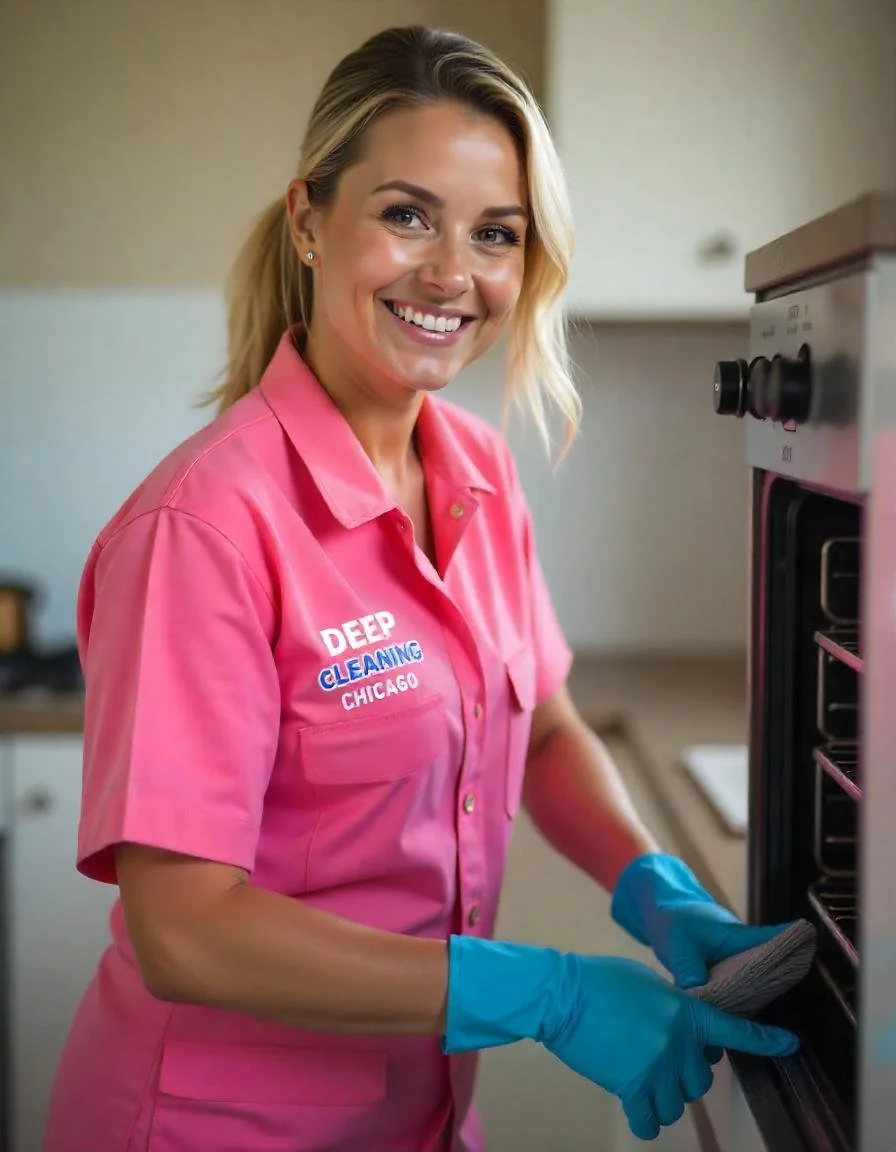
Oven Cleaning Hacks That Work
Cleaning the oven can seem daunting often enough, but it really doesn't have to be! For facilitation in cleaning with practical tips and clever hacks on how to keep your oven fresh and tidy, take less time over it with bright results. Apply steam for its grime-loosening properties; come up with effective home concoctions of the paste needed by you—all these steps assure not just saving of your precious times but increasing your pleasant times of cooking. Learn how easy it is to have a clean oven with these key tips.
Top Tips For A Hassle-Free Oven Cleaning Experience
The Quick And Easy Tips On How To Maintain A Clean Oven
One of the most tedious household chores—cleaning the oven—is here. However, you can make this even more enjoyable and easier with a few hacks. If you're looking for oven cleaning advice that will enable you to clean your oven more quickly and completely, keep reading this blog.
A clean oven has practical magical benefits in prolonging its lifespan and functionality, even though this may not seem so magical to some.

Cleaning The Oven Is Important
Pathogens are capable of contaminating your food if your oven isn't clean.
A clean oven cooks better, meaning you obviously save on power bills. Large residual food particles also affect the flavor of your dishes, but for the worse.
Keeping it well cleaned can keep your appliance running for years, preventing corrosion or buildup that could damage its parts.
Essential Oven Cleaning Hacks
Vacuum The Oven First
It's a good idea to take out loose debris before scrubbing. You can use a vacuum cleaner with a hose attachment to suck crumbs and particles from the interior of the oven. This step will prevent dirt from turning into a muddy mess while cleaning, and it will also make it easier for you to focus your attention on the more stubborn stains.
Soften Grime With Steam
One of the best ways to remove stubborn dirt is with steam. After preheating your oven to 450°F for approximately half an hour, put a roasting pan with a few inches of boiling water in the bottom. The buildup softens as steam enters it, and eventually you should be able to remove it. Do not be afraid to add vinegar or slices of lemon to the water for a little extra freshness. In addition to leaving a nice scent, it will aid in the breakdown of grease.
Making Homemade Cleaning Paste
You don't have to invest overly in hard stain removers, as the baking soda paste would suffice. Mix ½ cup of baking soda with 3 tablespoons of water until you get a paste. Cover all the dirty places of your oven with this mixture and, after at least 15 minutes, start wiping off by using either a damp cloth or damp sponge. This method is really effective, considering the environment.
Dishwasher Tablets Used
The following unusual tips for cleaning your oven with dishwasher tablets will work wonders: A tablet will efficiently break down stubborn grease and grime. Therefore, wet one tablet and rub it over areas that are discolored; simply wipe away any remaining fragments with a moist cloth afterward.
To Absorb Spills, Use Salt
If something spills during cooking and is likely to overflow, immediately sprinkle salt on the hot transfer. Quick action could save you a lot of cleaning later because the salt cools and absorbs moisture, preventing the baked-on mess that is typically difficult to clean.
Deep Cleaning Advanced Techniques
Harness The Power Of Vinegar
We have vinegar as yet another natural cleaner. Mix vinegar with baking soda. All you do is sprinkle vinegar onto the baking soda paste—the two together start to suds up and remove grime off of a surface. Both are powerful ingredients. With a mixture, both are not hazardous for most surfaces of the ovens.
Commercial Cleaners Sparing Use
If you have heavy-duty cleaning or particularly stubborn stains, you can use commercial oven cleaners. The grime they are meant to handle is tough, but the products should be used as directed to keep from damaging your appliance. These cleaners may contain strong chemicals, so always make sure there is good ventilation when using them.
Brushing Dirt Away
A toothbrush would make short work cleaning those areas that are really inaccessible inside your oven. The soft bristles are soft enough not to scratch enamel surfaces but at the same time dislodge dirt and grime from corners and crevices.

Using Your Oven’s Features
Self-Cleaning Mode
However, most brand new ovens found today possess a self-clear feature that will heat the inside to over-the-top temperatures and make anything to ash that you reduce. If your oven does have this feature, use it! Just keep in mind that any racks or accessories should be removed first, as they may not be up to do many high heat runs.
Clean Oven Racks Separately Away From Each Other
They are simple to clean in your bathtub or sink with hot, soapy water or a vinegar and baking soda solution. Before returning them to the oven, thoroughly rinse, scrub with a brush or non-abrasive sponge, and allow to dry completely.
Preventative Measures
Typical Wipe-Downs
It's a good idea to wipe it down after using it once it's cooled down to avoid heavy buildup because your oven gets pretty hot. This technique was used to lessen dirt, and it usually makes deep cleaning simpler and less frequent.
Making Use Of Oven Liners
Spills will be caught by oven liners or mats before they reach the oven's surface. Additionally, these liners are simple to remove and clean afterwards, which will save you a ton of time and scrubbing in the future. High temperatures must not harm the liner.
Avoid Covering Oven Floors With Foil
Although lining the bottom of your oven with aluminum foil is a smart idea to catch spills, it can also impede air circulation, which can lead to uneven cooking or, in rare instances, damage to the heating elements. Generally speaking, it's more about upkeep and quicker spill cleanup.

Other Tips For Keeping A Clean Oven
Keep Your Cooking Area Clean
Cleaning your cooking area is so important it will dramatically reduce the amount of time you have to clean your oven. When cooking, keep a clean area, wipe down countertops regularly, keep utensils organized, and try not to get your oven messy—by keeping the surface dry, there's less chance of splatters making their way inside the oven.
Use Cooking Sprays Wisely
Applying cooking sprays or oils directly onto the pan or dish you're cooking with will cause them to splatter too much over the oven walls. Instead, use them sparingly.

Your Clean Oven Journey
Say goodbye to drying out your oven and dreading cleaning it! By using these hacks and slotting them into your routine, you can have a cleaner oven without as much work and time scrubbing off hard stains from your oven walls. You can keep your cooking space clean, whether you use natural options like baking soda and vinegar or if you take advantage of your oven’s self-cleaning.
With these strategies in your hands, cooking and making every meal taste how it should taste can be fun. Simply with these cleaning hacks plus regular maintenance, your oven will not only have great appearance, but it will also ensure its high performance over a period of time (which will make each cooking experience better).
Home Cleaning Hacks That Actually Save You Money
Everyday Household Items Pulling Double Duty
Easy Ways to Remove Mold and Mildew from Shower Grout
Smart DIY Cleaning Tricks That Save Time and Money
How to Clean a Whiteboard Without Leaving Ghost Marks
The Best Way to Clean a Messy Stove Top in Minutes
Shocking Cleaning Hacks You Can Do with Coca-Cola
Real Oven Cleaning Tricks That Save You Time and Stress
Powerful Cleaning Hacks You Can Do with Just Vinegar
Simple Cleaning Tips That Save Time and Sanity
Easy Oven Door Cleaning Tricks for a Streak-Free Finish
How to Clean Stainless Steel Without Leaving Streaks
Outside Window Cleaning Hacks That Leave a Streak-Free Shine
Why Shaving Cream Works Wonders on Bathroom Surfaces
Jewelry Cleaning Hacks That Work for Silver, Gold, and More
Unexpected Cleaning Hacks You Can Do with Shaving Cream
How to Clean Your Gas Stove Top Without Removing the Burners
The Best DIY Cleaning Hacks to Save You Time and Money
Upholstery Cleaning Tricks That Remove Stains and Odor
Quick Cleaning Hacks for Shiny Electric Stove Surfaces
Time-Saving Cleaning Tricks for a Healthier Home
How to Clean Dusty Window Sills Without Making a Bigger Mess

Front Load Washer Cleaning Hacks
A front-load washer requires regular maintenance and cleanliness to function properly. The routine cleaning process will get rid of odors, and mold buildup, and help make your laundry smell fresher. Simple hints like running the hot water cycle with vinegar and baking soda to help remove residue and other buildup don't get forgotten. And don't skip the rubber seal or the drawer for detergent, since these areas can very much get caught in both moisture and grime. Add these easy cleaning routines to your monthly maintenance, and you'll be enjoying a cleaner washer and fresher clothes for years to come.
Sparkling Clean Hacks For Your Front Load Washer
Cleaning Wonders To Keep Your Front Load Washer Fresh And Efficient
Front load machines are a kitchen appliance requirement. They’re water-efficient, they’re powerful and gentle with clothes, and they’re super energy-efficient. But every homeowner is bound to inevitably contend with that sour, moldy smell that seems to infiltrate the machine—and through your clothes. If your machine has ever smelled like it contains wet socks, then you positively know what we’re talking about.
Fortunately, it is easy to keep your front load washer running smoothly and efficiently with the use of simple hacks. These fixes incorporate products that are easily found at home and only need to take up a bit of your time.
The following blog will walk you through smart, cost-effective, and environmentally conscious cleaning protocols to maintain your washer and optimize its operation.

Why Front Load Washers Become So Dirty?
Front load machines are tightly sealed to ensure they don’t leak. That same seal, though, in conjunction with how they’re constructed, invites mold and mildew to grow. Soap scum, as well as the residue from detergent and even fabric softener, teams up with moisture that gets trapped to make for a bacterial breeding ground.
Common problem areas include:
The rubber door gasket (seal)
The detergent drawer
The drum itself
Hidden areas behind the drum or under the drain filter
If not maintained regularly, these sections will give your washer the stinky smell, diminish its efficacy, and even make your clothes smell grimy after cleaning.
1. Vinegar and Baking Soda Drum Wash
One of the easiest and strongest methods of cleaning your washer drum is by utilizing white vinegar and baking soda.
How to do it:
Add 2 cups of white vinegar into the drum itself.
Add 1/4 cup of baking soda to the detergent tray.
Use your washer’s hottest, longest cycle.
Localice la puerta dejarla abierta después de limpiar
It kills bacteria, eliminates odors, and dissolves detergent residue. It also dissolves water hardness deposits.
Tip: Do it once a month for maintenance.

2. Clean the Door Gasket with Vinegar or Hydrogen Peroxide
One of the most popular hiding spots for mold and mildew is the rubber door seal. It is also where hair, lint, and detergent gunk tend to accumulate.
How to do it:
Dunk a cloth in white vinegar or hydrogen peroxide.
Clean around and under the seal, easing it back to clean out-of-sight places.
In case of persistent mold, prepare baking soda and water paste, apply, keep it for 15 minutes, then scrub off with an old toothbrush.
Following cleaning, all should be dried to avoid future water accumulations.
3. Clean the Detergent Drawer
Detergent and fabric softener residue builds up over time and causes mold and clogging. If your detergent drawer is stinky or appears dingy, it’s due for a cleaning.
How to do it:
Remove the drawer all the way out (see your manual).
Soak it in warm soapy water for 20 minutes.
Clean up corners and deposits with a toothbrush.
Shake and rinse thoroughly and dry before reloading into
Do this every few weeks, especially if you use liquid fabric softener or powdered detergent.
4. Use Enzyme-Based Cleaners for Odor Control
If ready-made is your choice, look for enzymatic cleaners for your washer. These break down natural buildups like mold, mildew, and scum from the detergent.
How to do it:
Add one tablet or the recommended amount of cleaner to the drum.
Run the cleaning cycle or the hot cycle without clothes.
Close the door thereafter to allow the moisture to evaporate.
These products can be used for monthly maintenance and thorough cleaning.
5. Drain and Clean the Filter
Some of the front load machines incorporate a filter for the drain pump found behind a panel at the front bottom of the machine. It traps lint, debris, and small objects.
If water from your washer is draining slowly or is standing, the filter could be clogged.
What to do:
Unplug the machine and place a towel or shallow pan under the filter.
Open the panel and carefully unscrew the filter cap.
Let any trapped water drain out.
Remove lint, coins, or debris and clean filter thoroughly.
Tightly screw the cap back down and close the panel.
Replace the filter every few months to prevent clogging and smells.
6. Leave the Door Open after Each Wash
It is among the easiest prevention methods to implement. It is the trapped moisture inside the washer that creates the perfect environment for mold and mildew.
Things to do:
Close the door slightly after each load of laundry.
If possible, repeat the same for the detergent drawer.
Allowing the air to circulate maintains the vehicle’s interior dry and odorless.
7. Switch to HE Detergent (If You Have Not Already)
High-efficiency (HE) detergent is actually formulated for front load machines. Normal detergent generates suds that are too abundant, leading to residue buildup and mildew.
How to do it:
Always use HE labeled detergents from the packaging.
Use less than you think. Despite the use of HE detergent, many use too much.
If your washer is always smelly, reducing the use of detergent can be of great benefit.
Less detergent means less suds and less residue within the washer.
8. Homemade Washer Freshening Spray
Want to keep your washer smelling amazing in between deep cleaning sessions? Give homemade spray from natural ingredients a go.
DIY Recipe:
1 cup distilled water
1 tablespoon baking soda
10 drops of essential oil (such as lemon, eucalyptus, or lavender)
How to use it:
Mix the ingredients in a spray bottle.
Shake well before use.
Spray around the door, seal, and inside the drum.
Wipe dry with a clean cloth.
This quick trick keeps your washer smelling fresh and introduces a subtle, refreshing aroma to the area.
9. Clean the Exterior, Too
Don’t forget the outside of the washer. Dust, spills, and lint can build up on the top and around the buttons, especially in laundry rooms with poor airflow.
How to do it:
Wipe with a microfiber cloth dampened with warm, soapy water.
For stubborn spots, use a small amount of vinegar.
Dry with a clean towel to prevent water spots.
Keeping the entire unit clean improves its appearance and performance.

Washing Machine Care Is Laundry Self-Care
Your front load washer does a lot for you. It scrubs, rinses, and spins your clothes clean week after week. Giving it a little attention not only extends its life but also ensures your clothes stay truly fresh and clean.
By following these front load washer cleaning hacks, you’re not just preventing mold and mildew. You’re protecting your machine, your laundry, and your home from hidden dirt and unwanted smells.
A clean washer means cleaner clothes. And cleaner clothes mean a better start to your day, every time.
Cleaning Shortcuts You’ll Wish You Knew Sooner
Easy DIY Solutions Using Items from Your Drawer
Genius Window Cleaning Hacks You’ll Wish You Knew Sooner
The Ultimate Guide to Cleaning with Coca-Cola
Fan Cleaning Hacks That’ll Leave Your Blades Dust-Free and Fresh
Smart Ways to Keep Your Floors Spotless Without the Fuss
Say Goodbye to Dusty Baseboards with These Genius Cleaning Tips
Oven Cleaning Hacks You’ll Wish You Tried Sooner
How to Clean a Front Load Washer Without the Hassle
Dishwasher Cleaning Secrets That Keep Dishes Sparkling Every Time
How to Tackle Spring Cleaning Without Feeling Overwhelmed
How to Clean Your Kitchen Faster Without Missing a Spot
Easy Cleaning Hacks to Get More Done in Less Time
How to Tackle Every Room with These DIY Cleaning Tricks
How to Clean Cloudy Headlights with Simple Household Items
Faucet Cleaning Secrets Most People Overlook Until It’s Too Late
What Really Works for Cleaning Soap Scum on Glass and Tiles
How to Use Dawn Dish Soap to Tackle the Toughest Messes
How to Clean Burnt Stainless Steel Pans Without Scratching Them
Easy Ways to Clean a Dirty Shower Floor with Stuff You Already Have

Soap Scum Cleaning Hacks
Soap scum is an all-too-familiar issue in bathrooms, resulting from the interaction between soap and hard water minerals. This unsightly residue can accumulate on various surfaces, creating a breeding ground for mold and mildew, which not only affects the aesthetic of your space but also contributes to unpleasant odors. Fortunately, there are effective cleaning hacks to combat soap scum and maintain a sparkling clean bathroom.
Effective Soap Scum Cleaning Hacks For A Sparkling Bathroom
Understanding Soap Scum What It Is And Why It Forms
Soap scum primarily consists of calcium stearate and magnesium stearate, products of the reaction between soap and minerals in hard water, specifically calcium and magnesium. The result is a filmy residue that can build up on shower doors, tiles, and bathtubs, making these surfaces appear dull and dirty. Knowing what it is made of is key to effective removal.

What Causes Soap Scum?
Scum forms as a result of the reaction between minerals in tap water and soap and dirt, which forms a layer on the surface. This includes homes that have hard water, meaning high levels of calcium and magnesium. If scum is allowed to settle for a very long period of time, it starts to solidify and becomes more difficult to clean off.
Top Soap Scum Cleaning Hacks
Baking Soda and Vinegar: Sprinkle baking soda liberally on the areas that need cleaning and spray with white vinegar. The foaming action helps to lift the soap scum off, making it easier to scrub away. This is a great way to clean fiberglass shower enclosures and tile surfaces.
Dish Soap and Vinegar Spray: Mix dish soap and white vinegar in a spray bottle. Spray on soap scum, let sit for a few minutes, and scrub off with sponge or cloth. This combination really cuts through the residue very well.
Lemon Juice: The acidity helps break down the composition of soap scum. Apply lemon juice directly to those places where scum has built up, letting it stay for 10-15 minutes, then scrubbing and finally rinsing. This naturally active solution cleans and offers freshness.
Borax Paste: Mix a small amount of water to borax until the desired consistency of paste has been acquired. Apply the borax paste mixture onto the soap scum and let it sit for about 15 minutes. Scrub thoroughly afterward, and ensure to rinse properly. An excellent and effectual cleansing agent against such a baneful soap scum end.
Squeegee after use to prevent soap scum buildup; a squeegee wiped down the shower walls and doors at the end of each usage. This simple habit can keep moisture and soap residue quite low, making cleaning rather easy.

Tips to prevent accumulation of soap scum
Switch to liquid body washes from the use of bar soap. Liquid soaps, besides being gentler to the skin, usually leave less residue when compared to bar soap. They can also be less likely to react with the minerals of hard water and reduce soap scum.
Install a Water Softener: If hard water is an issue, one might want to consider investing in a water softener to decrease mineral content and minimize the development of soap scum. Softened water can make a big difference in minimizing the amount of soap scum that forms over time.
Regular Maintenance: Get into the habit of having shower surfaces always rinsed with clean water after use to wash away soap residue that may harden with time. Regular cleaning prevents any soap scum buildup and makes the bathroom look fresher.
Additional Tools and Products to Help You Fight the Most Resilient Soap Scum
Magic Erasers: The popular cleaning pads can be pretty decent for soap scum, among other stains. Effective on many surfaces, such as tile and glass, magic erasers work well but need some scrubbing at times.
Commercial Soap Scum Removers: There are a lot of good commercial products in the market, especially for soap scum. Find those that contain ingredients such as citric acid or foaming agents, which help in dissolving the residue quickly.
Scrub Brushes: Scrubbing with a soft-bristle brush can successfully take soap scum away without scratching surfaces. In instances where the area is very problematic, a brush with bristles that are a little bit stiffer may work well, but one will want to be careful around delicate surfaces.

Top Soap Scum Cleaning Hacks
Baking Soda and Vinegar: This is one of the most effective combinations for removing soap scum. Sprinkle baking soda on the places where soap scum is present, then spray with white vinegar. The fizzing action produced works to lift the soap scum, making it much easier to scrub off. This works great on fiberglass and tile surfaces.
Spray dish soap and vinegar: Spray in equal amounts into a bottle of dish soap and white vinegar. Spray onto the soap scum, allow to set for a few minutes, then scrub off with sponge or cloth. This is a very good solution that cuts through the residue, leaving the place clean.
Lemon Juice: Lemon juice is an acid that is natural and can help break down soap scum. Apply lemon juice directly to the affected areas, let it sit for 10-15 minutes, and then scrub and rinse. This method not only cleans but also leaves a fresh scent.
Borax paste: Mix borax with a little water until you achieve a paste. Apply on soap scum, let it stay there for about 15 minutes, scrub, and then wash off well. It's strong, and this is an assurance that it will really fight against soap scum.
Squeegee after use: This will prevent soap scum from building up on shower walls and doors; get into a habit of using a squeegee on the shower walls and door after every use. This practice alone cuts down moisture and soap residue, making life much easier in the cleaning end.
Tips to avoid building up soap scum
Liquid Soap: Instead of using bar soap, use liquid body washes since they leave much less residue. Liquid soaps are designed to lather up and clean without producing the same amount of soap scum. Water Softener Installation: In the case of hard water, one should consider getting a water softener, which would reduce the content of minerals and hence minimize soap scum. Softened water can reduce by many times the amount of soap scum that will develop over time. Regular Maintenance: Always make it a habit to at least rinse shower surfaces with clean water after every use, which helps to wash away soap residue before it can set. Regular cleaning will prevent the build-up of soap scum and keep your bathroom fresh.

Soap Scum: Understanding It-What Is It, and Why It Forms
The makeup of soap scum includes a primary proportion of calcium stearate and magnesium stearate formed when soap acts with the hard water minerals, calcium and magnesium. When soaps, especially bar soap, are used in hard water, these minerals act against the fatty acids in soaps to form a substance that is white, somewhat chalky, and binds onto surfaces. Evidence of this building-up process is manifested in the greying of shower doors and tiles and bathtubs.
All other contaminants, such as body oils and dirt, mixing into the soap and water composition create the soap scum at some fixed time; hardening such times makes the mixture tougher for their removal. The key to clean well as to take preventive measures depends basically on knowing the chemical formula while choosing the soap scum formations.
Cleaning Shortcuts You’ll Wish You Knew Sooner
Easy DIY Solutions Using Items from Your Drawer
Genius Window Cleaning Hacks You’ll Wish You Knew Sooner
The Ultimate Guide to Cleaning with Coca-Cola
Fan Cleaning Hacks That’ll Leave Your Blades Dust-Free and Fresh
Smart Ways to Keep Your Floors Spotless Without the Fuss
Say Goodbye to Dusty Baseboards with These Genius Cleaning Tips
Oven Cleaning Hacks You’ll Wish You Tried Sooner
How to Clean a Front Load Washer Without the Hassle
Dishwasher Cleaning Secrets That Keep Dishes Sparkling Every Time
How to Tackle Spring Cleaning Without Feeling Overwhelmed
How to Clean Your Kitchen Faster Without Missing a Spot
Easy Cleaning Hacks to Get More Done in Less Time
How to Tackle Every Room with These DIY Cleaning Tricks
How to Clean Cloudy Headlights with Simple Household Items
Faucet Cleaning Secrets Most People Overlook Until It’s Too Late
What Really Works for Cleaning Soap Scum on Glass and Tiles
How to Use Dawn Dish Soap to Tackle the Toughest Messes
How to Clean Burnt Stainless Steel Pans Without Scratching Them
Easy Ways to Clean a Dirty Shower Floor with Stuff You Already Have
Bong Cleaning Hacks
Cleaning your bong will go a great distance in ensuring that every smoke you take is smooth and enjoyable. A dirty bong can harbor hazardous bacteria and mold that could jeopardize a person's health and affect the taste of smoke. Here is how you can have your piece perfectly in its right condition, from simple methods like the classic combo of alcohol and salt or all-natural with vinegar and baking soda, for flavorful hits each and every time.
Get Ready for Smooth Hits with These Bong Cleaning Tricks
Keep Your Piece Sparkling For A Better Smoking Experience
You should always keep your bong clean because a dirty bong can alter your experience of smoking. A dirty bong can damage your piece and cause health problems. The good news is that there are numerous efficient ways to clean your bong with primarily everyday household objects and components. This blog is about keeping your bong in pristine condition. Let’s go over several ways to ensure that your bong looks new and lasts a lifetime, and how to clean your bong.

Why Clean Your Bong?
Health Considerations
It's actually very important to clean your bong on a somewhat regular basis because bacteria and mold build up fast. The resin and stale water sitting around could host pathogens, which could compromise one's respiratory health. You would, in essence, be setting yourself up to come in contact with such things if you continued to smoke from the bong as time went on.
Enhanced Flavor
A clean bong will ensure you a smooth and flavorful hit. You know for sure that all that gunk from previous sessions could really change the taste of your smoke and just not be as much fun. Keeping your bong clean ensures each hit is fresh and full of flavor to further enhance your overall experience.
How Long Your Bong Lasts
What this entails is the fact that cleaning your bong as often as possible will guarantee your bong's integrity will not break due to heavy resin buildup in the item. Eventually, you get permanent stains, or structural damage, and these would be quite expensive to replace or repair.

Essential Cleaning Supplies
Before diving into the cleaning methods, gather the following supplies:
Isopropyl Alcohol (91% Or 99%): This solvent breaks down resin and grime easily.
Coarse Salt: It is a semiautomatic abrasive agent to scrub away stubborn residues.
Plastic Zip Bags: Great for soaking small things such as bowls and downstems.
Pipe Cleaners Or Q-Tips: Perfect for getting into hard-to-reach places and making sure everything gets clean.
Warm Water: Loosens dirt and grime before cleaning.
Rubber Stoppers Or Plastic Wrap: To shake the openings while sealing them.
Bong Cleaning Methods
Classic Alcohol and Salt Method
One of the most popular ways that some people are already aware of (it’s probably most popular with experienced users).
1. You remove the bowl and downstem to get to it all.
2. Pour warm water through the bong to loosen debris.
3. Isopropyl alcohol is poured over half of the bong until full, and quite a bit of coarse salt is added.
4. Put rubber stoppers or your hands on the bongs openings and shake the bong vigorously for about a minute. The alcohol part of the trick dissolves the resin part, and the salt part of the trick is the scrub part, where the salt scrubs away the resin.
5. If you have tough stains or really heavy buildup, then this is the best option, and let it set for a bit—a few hours, overnight.
6. Rinse everything under warm water, and you shouldn’t stop until you’ve got all the residues off.
Vinegar And Baking Soda Combo
For anyone who loves using natural cleaning agents, vinegar and baking soda wreak havoc without chemicals.
1. Fill your bong’s main chamber with two teaspoons of white vinegar, two teaspoons of baking soda, and half a cup lukewarm water.
2. You can sink rubber stoppers or your hands over the openings and shake the stuff very hard.
3. You just need to let the mixture sit for a while, about 30 minutes, so you can break down whatever residue is still there.
4. Rinse until no more vinegar and baking soda can be seen.
Hack For Dishwasher Tablets
If you have bongs at home, you may be surprised to hear that they can be cleaned with dishwasher tablets.
1. Put a dishwasher tablet, along with warm water, into your bong.
2. Let it dissolve completely by sealing it and giving it a good shake for about a minute..
3. Soak the sponge and rinse all direct residues of soap (no residue) with warm water.
Hot Water Soak
It’s a good method for routine maintenance between deep cleans.
1. To loosen up sticky residues, fill your bong with hot (not boiling) water.
2. Give the water a quick swirl about for a couple of minutes to loosen some gunk.
3. Empty the water, and then rinse out any remaining particles under warm running water.
Lemon Juice Solution
Not only is lemon juice essential for flavor, but due to the fact it’s acidic, it also acts as a natural cleaner.
1. Dilute lemon juice to equal parts lemon juice in warm water.
2. Let it sit a bit, about 30 minutes, and shake gently.
3. Use warm water to rinse out all of the lemon juice.

How To Maintain Your Bong
Frequent Cleaning Schedule
Cleaning your bong after each use will stop a good amount of resin and bacteria from building up. If you make it a habit, over time it becomes easier to clean.
Use Distilled Water
If you have to refill your bong, fill it up with distilled water instead of tap water. Distilling water keeps water with fewer minerals from happening in your bong because water with fewer minerals encourages bacterial growth and leads to mineral buildup.
Store Properly
If you’re not using your bong, then keep it somewhere it won’t get knocked over and damaged. More often than not, if you are carrying it around, go ahead and use a protective case or even a padded bag.

Common Mistakes To Avoid
The idea is to use just enough to turn it into a slurry with some salt to do the job.
Always be sure to clean clean and also be sure to rinse very well as the cleaning residue can ruin the taste when using or can be poisonous when inhaled.
Also, do ensure your bong fully dries out before you use it again; if it’s not dried out enough you’re going to have moisture problems, mold and nasty tasting bongs.
Boost Your Smoking Experience
If your bong is clean, you’ll be offered a smoother, tastier smoke with potential health risks linked to buildup significantly reduced. With these easy cleaning tips, you’ll be able to keep your bong looking as good as new, and overall, your cleaning will be something to look forward to!
Whether you go traditional with salt and alcohol or use vinegar and baking soda, regular care will pay off regarding flavor and experience. So, enjoy the procedure, and the shine of the clean sessions and the empty bong is evidence of this.
Tried-and-Tested Cleaning Hacks That Make a Big Difference
Smart Solutions Using Everyday Items You Already Have at Home
Air Fryer Cleaning Hacks Baking Soda
Bathroom Cleaning Hacks With Baking Soda
Bathroom Cleaning Hacks With Vinegar
Cleaning Hacks That Actually Work
Cleaning Hacks With Baking Soda
Cleaning Hacks With Baking Soda And Vinegar
Cleaning Hacks With Dawn Dish Soap
Electric Stove Top Cleaning Hacks
Fabric Softener Cleaning Hacks
Glass Shower Door Cleaning Hacks
Glass Stove Top Cleaning Hacks
Guinea Pig Cage Cleaning Hacks
Hydrogen Peroxide Cleaning Hacks
Kitchen Cabinet Cleaning Hacks
Microwave Cleaning Hacks Baking Soda
Oven Cleaning Hacks With Baking Soda
Oven Cleaning Hacks With Lemon
Shaving Cream Cleaning Hacks Bathroom
Stainless Steel Cleaning Hacks
Stainless Steel Pan Cleaning Hacks
Toilet Cleaning Hacks With Baking Soda
Toilet Cleaning Hacks With Fabuloso

Cleaning Oven Hacks
Cleaning your oven doesn't have to be a tedious chore. With a few simple hacks using common household items, you can achieve a spotless oven with minimal effort. One effective method is to create a baking soda paste by mixing baking soda with water, applying it to the oven surfaces, and letting it sit overnight. This allows the alkaline properties of baking soda to break down tough grease and grime. For an added boost, you can spray a mixture of vinegar and water over the baking soda after it has set, which helps lift stubborn stains.
Oven Cleaning Hacks Your Ultimate Guide To A Spotless Appliance
The Hidden Challenges Of Oven Maintenance
A messy oven is every home cook's nightmare: the stubborn stuck food residue, smoke, and undesirable fumes that result from using it. And worse-a very messy oven doesn't only make your oven appear nasty but also affects both the taste of your food and how efficient you are when preparing a meal. This is your detailed guide to oven cleaning. Very easy, very effective.

Natural Cleaning Miracles: Zero Harsh Chemicals
The Baking Soda Breakthrough
Create a powerful paste by mixing baking soda with water
Cover the entire oven interior with the mixture
Let the paste work its magic overnight.
Spray white vinegar to trigger an effective cleaning reaction.
Wipe grime off easily with a clean cloth.
Citrus Steam Cleaning Method
Combine water and fresh lemon slices in an oven-safe dish
Bake the oven at 250 degrees for 30 minutes.
The steam loosens the sticking grease and food particles.
Neutralizes cooking odors naturally
Easily wipe down surfaces after cooling.
Professional Cleaning Techniques
Advanced Stain Removal Methods
Use a pumice stone on more resistant ceramic surfaces
Apply specialized cleaning products for extreme buildup
Consider professional services if your oven is extremely neglected.
Secrets of Preventive Maintenance
Smart Cleaning Practices
Invest in quality oven liners.
Address spills and splatters immediately
Cover messy dishes with covers to protect them
Develop a consistent cleaning routine
Eco friendly cleaning solution
Homemade Cleaning Mixtures
Mix equal amounts of water and white vinegar.
Add a few drops of dish soap for extra cleaning power
Make a natural, nontoxic cleaning solution
Oven safe and good for the environment
Essential Cleaning Tools
Microfiber cloths
Plastic scraper
White vinegar Baking soda Spray bottle Protective Gloves Maintenance Frequency Insights Recommended Cleaning Schedule Clean oven after every major cooking session. Deep cleaning should be done every 3-4 months. Prevent permanent staining or performance degradation.

Think of your oven as an advanced cooking device, which is much more than just a heater for food; it is a complicated gadget that changes with every use and builds up layers of gunk most people will never see or appreciate.The Invisible Culprits of Oven DegradationWhenever you are cooking something, a lot of invisible processes are running simultaneously:
Chemical Transformations
Every time you roast, bake, or broil, food particles undergo amazing chemical changes: proteins break down, fats oxidize, and sugars caramelize into stubborn layers that bond directly to the interior surfaces of your oven. These aren't just simple stains but complex chemical reactions that fundamentally change your oven's ecosystem.
Thermal Stress
Ovens have a pretty extreme fluctuation in temperature: from room temperature to 450°F and back again. The rapid temperature swings make the microscopic expansions and contractions of the oven materials pull the food particles tighter into the surface with each cycle.
The Unseen Consequences
Most people don't realize that a dirty oven impacts more than just appearance:
Reduced Efficiency: Built-up grime serves as insulation that makes the oven struggle harder to keep temperatures up.
Flavor Contamination: Residues of old, burnt material can subtly change the flavor of new dishes.
Safety Hazards: The buildup of grease increases the possibility of fire accidents in the kitchen.
Psychological Barriers to Cleaning
Ironically, the challenge is as much psychological as practical. Most people view cleaning the oven as:
An overwhelming task
A time-consuming chore
Something that can be perpetually postponed
This is a mental block against regular maintenance, allowing problems to compound over time.
The Scientific Perspective
From the technical viewpoint, oven maintenance is a fight against several scientific processes:
Carbonization: Tough, almost permanent carbonised layers of food particles.
Oxidation: Fats degrade and then form sticky, difficult-to-remove residues.
Thermal Bonding High temperatures actually weld food particles to oven surfaces.
Comprehensive Maintenance Strategies
Deep Cleaning Techniques
Natural solutions (baking soda, vinegar) Steam cleaning methods
Special cleaning products
Professional services in severe cases

The Importance of Regular Oven Maintenance: Ensuring Peak Performance and Safety in Your Kitchen
This is due to the fact that cleaning will stop food particles and grease from accumulating at the bottom of the oven, which could result in foul odors and make your food taste awful. You'll have the greatest oven possible as a consequence, allowing you to roast meals consistently and adjust the heat distribution. That's really basic since it indicates that, while temperature can be important in baking and could damage your goods, it's not the only factor. Because there are fewer hot spots in a clean oven, the final product will be more evenly cooked.

Oven Cleaning Hacks: Simplifying the Path to a Spotless and Safe Cooking Space
This is because cleaning will stop food particles and grease from accumulating at the bottom of the oven, which could result in foul odors and make your food taste awful. Your oven will function at its peak efficiency as a consequence, allowing you to bake food consistently and adjust the heat distribution. That's really basic because it suggests that temperatures can be important in baking and can damage your sweets, but that's not all. An oven that is clean will have less hot spots, which will result in an end product that is particularly overcooked.
Game-Changing Cleaning Tricks That Actually Work
Clever Fixes with Stuff You Already Have in Your Pantry
Wall Cleaning Hacks
Clean walls create a fresh and welcoming house. Fingerprints, scuff marks, and grime can build up on painted surfaces after some time. Thankfully, there are some quick ways of fixing these problems effectively. A baking soda paste will lift stains without causing damage to the paint, while a vinegar solution cuts grease with ease. If these scuff marks have reached a level of being quite tough, then a magic eraser does the magic. Regular maintenance not only beautifies your walls but also adds to the coziness of your living space.
Boost Your Space With Simple Wall Cleaning Hacks
Effortless Tricks To Brighten Your Walls
Keeping your house clean and inviting typically takes a great deal more than dusting the tops and vacuuming the floors. One of these areas is the walls. Over time, the walls start to get dust, finger-prints, and stains that diminish the sophistication of your room. Fortunately, it is easy to restore the glow to the walls with a few clever wall-cleaning hacks without breaking the bank or using chemicals. This comprehensive guide begins by taking a look at a few of the best ways to clean varying types so the house is left spotless and inviting.

Understanding Your Walls
Before getting into specific cleaning hacks, it's important to understand the types of wall surfaces you might have in your home, as different materials require different cleaning approaches to avoid damage while yielding optimal results.
Wall Surface Types
Painted Walls: These are the most common walls found in homes. They are either matte or glossy. Matte finishes show a lot of stains whereas the glossy finishes are quite easy to wipe clean.
Wallpaper: It can be very fragile and requires special care to avoid tears or discoloration. Vinyl wallpaper is more resistant and easier to clean compared to paper-based ones.
Wood Paneling: Wooden walls add warmth to a space and may accumulate dust and grime over time. Cleaning would involve light methods that would not scratch it.
Tile and Stone: These are found in kitchens and bathrooms, respectively. Tile and stone walls are generally more resistant to stains but may require specific cleaners to maintain their shine.
Essential Wall Cleaning Hacks
Now that we've identified the different sorts of wall surfaces, let's look at some efficient cleaning tips for each type.
General Wall Cleaning Tips
Regardless of the surface type, certain general guidelines can make your wall cleaning operation more efficient.
Dust First: Always begin by cleaning your walls with a microfiber cloth or duster to remove any loose debris and dust particles. This eliminates scratching throughout the cleaning procedure.
Use the Right Tools: A soft sponge or cloth is best for most surfaces. Avoid using abrasive products that could damage paint or wallpaper.
Test First: Before using any cleaner, test it on a small, inconspicuous area to ensure it does not cause discoloration or damage.
Painted Wall Hacks
The thing is, painted walls are very prone to fingerprints, scuffs, and general wear that makes them look dingy over time. Fortunately, keeping them looking fresh and new is not a chore or complicated process. Herein are some easy and, simultaneously, effective ways to accomplish that:
1. Baking Soda Paste
Baking soda is a mild but powerful tool for lifting stains without damaging your paint.
How to Use: Mix baking soda with water until it forms a paste. Gently rub the stain in a circular motion with a soft cloth, and the tough spots will be gone. Wipe clean with a damp cloth once the stain has disappeared and let it dry thoroughly.
2. Vinegar Solution
Vinegar is one of the ultimate natural cleaning stars, slicing through grease and grime like nobody's business.
How to Use: Mix equal amounts of white vinegar with water in a spray bottle. Spray light over the wall and wipe off using a soft cloth. Stains that have it particularly bad should sit a few minutes before getting their wipe.
3. Magic Eraser
A magic eraser can save the day when scuff marks are stubborn.
How to use: Wet the magic eraser and rub the scuff mark with it; keep rubbing until the scuff disappears. Afterward, wash off that area with water because a small amount may leave a residue.
Wallpaper Hacks
Cleaning wallpaper should be approached with care for its fragility:
1. Mild Soap Solution
For washable wallpapers, a mild soap solution works wonders:
How To Use: Mix a few drops of dish soap in warm water. Dip a soft cloth in the solution and blot gently on the wallpaper from top to bottom.
2. Cornstarch Against Grease Marks
Cornstarch can absorb grease without damaging wallpaper.
How to Use: Sprinkle cornstarch over greasy spots, let it sit for 30 minutes, then brush off with a soft brush.
3. Steam Cleaning
For vinyl wallpapers with stubborn stains:
How To Use: Use a handheld steamer at a safe distance from the wallpaper to loosen dirt without direct contact.
Wood Paneling Hacks
Wood paneling does add character, but once more, it needs special care.
1. Olive Oil and Vinegar Mixture
This natural method cleans while conditioning wood:
How To Use: Mix two parts of olive oil with one part vinegar in a spray bottle. Spray lightly on the paneling; then buff with a soft cloth.
2. Soft-Bristled Brush
To clean dust out of grooves:
How To Use: Light scrub between panels with the soft-bristled brush or old toothbrush for easy wiping with a dampened cloth.

Hacks For Tile And Stone Walls
Most tile and stone walls require special care because most are porous.
1. Grout Cleaner Using Baking Soda
Grout eventually darkens; baking soda is an excellent solution:
How To Use: Mix baking soda and water to make a paste. Slather the mixture onto grout lines, let it sit for 10 minutes, scrub it in with an old toothbrush, then rinse off.
2. Solution of Hydrogen Peroxide
For stubborn stains on tile surfaces:
How To Use: Mix hydrogen peroxide with water in a spray bottle, 1 part peroxide to 2 parts water. Spray on stained areas, let sit for 5-10 minutes, then scrub gently with a sponge.

A Sparkling Wall Finish
A clean wall is what makes a decent, welcoming home. From wall cleaning hacks for various surfaces, you will learn just the way to remove dirt or stains without further damaging the walls. Remember, maintenance is the answer, and with these tips added to your routine, you're sure to have fresh and bright walls for years to come.
Invest just a little time in wall care using these innovative techniques, and you will enhance the look of your home along with its ambiance. After all, they say, a clean space brings a clear mind. Now get those supplies ready, roll up those sleeves, and get down to business with the scenario in your living space, one wall at a time!
Game-Changing Cleaning Tricks That Actually Work
Clever Fixes with Stuff You Already Have in Your Pantry

Oven Cleaning Hacks With Baking Soda
Keeping your oven clean is essential for both hygiene and cooking efficiency. One of the simplest and most effective methods for achieving a spotless oven is by using baking soda, a natural and non-toxic cleaner. This basic cleaning method involves creating a paste from baking soda and water, which can be applied to the interior surfaces of the oven to break down tough grease and grime. By allowing the paste to sit overnight, you can effectively loosen baked-on food particles, making cleanup a breeze.
Simple And Effective Techniques For A Spotless Oven
Basic Cleaning Method Using Baking Soda

The miracles it works when used to clean ovens non-toxically and scrub off grease and grime! As it is a base-containing compound, its base nature puts the spot in danger and tries to loosen up the acid molecules accumulated in your oven. And now it is here:
Ingredients needed:
½ cup baking soda
3 tablespoons water
Directions:
In a small bowl, combine the baking soda and water; mix until a thick pancake batter-like paste forms.
Remove the oven racks.
Apply generously to dirty area of oven, excluding the heating element.
Leave it on for about 15 to 20 minutes.
Wipe off the paste, along with the loosened dirt, with wet paper towels. If the stains are harder to clean, a mixture of water and vinegar will do, adding to the cleaning
Heavy-Duty Approach for Tenacious Stains
But in all other situations in which the oven has not been cleaned in a very long time, an extremely heavy-duty approach is necessary, so it would need much more baking soda to properly clean deep:
Ingredients Needed:
1 lb baking soda 1 tbsp of salt 2 tbsp water
ll surfaces of the oven.
Close the oven door, and let it sit overnight.
Using a rubber spatula, next day, scrape off the dried paste along with grime over the surface using warm wet paper towels to reveal a clean surface underneath.
Baking a Vinegar and Soda Mix to Add Another Layer of Cleaning
Combine vinegar and baking soda to increase the cleaning power:
Directions:
If your oven has any stains, liberally sprinkle it with baking soda.
To produce a bubbling reaction, mist with water or a solution of water and vinegar.
After letting it sit for 15 to 20 minutes, wipe it off with damp paper towels.
Finally, use a vinegar solution to wipe out the entire oven's interior to ensure that all residue has been removed.

Basic Cleaning with Baking Soda
The initial process will involve getting ready some items: distilled white vinegar and baking soda and water. Remove all the racks and other movable parts of the oven so that each will be cleaned separately. Mix in a bowl approximately ½ cup of baking soda mixed with enough water to become thick and spreadable paste. Paste will then be your best solution in cleaning.

The Simple and Effective Approaches towards a Clean Oven
Keeping your oven clean is hygienic; it's effective for cooking, too. There are a few really simple techniques that will make your oven spotless using no harsh chemicals. A few ways to keep it as good as new with an always shining interior using non-artificial elements are elaborated on below. The most popular and effective ways of cleaning your oven include baking soda paste. This method is not only easy but also safe for your kitchen environment. Mix one cup of baking soda with a quantity of water until you have a thick paste. Remove the oven racks, then coat the interior oven surfaces with the paste; pay extra attention to any areas that have a significant amount of baked-on grease and grime. Allow the paste to sit in the oven for at least 12 hours or overnight, allowing it time to deeply penetrate some of the toughest stains and begin to break them up. Afterwards, use a damp cloth or sponge to wipe off the baking soda. Spray vinegar on more stubborn spots, for that will make a fizz reaction to lift grime.

Keep Your Oven Clean: Simple and Safe Techniques Using Natural Ingredients
Natural ingredients like baking soda and vinegar make the cleaning process much safer for you and your family, creating a healthier environment in your home. Where commercial cleaners can be hazardous with their chemicals, baking soda is nontoxic and nonaggressive, thus perfect for households with children or pets. Vinegar naturally adds to the antibacterial properties of baking soda in cleaning, leaving a fresh scent afterward.
Simple Cleaning Hacks That Save You Time and Stress
Quick Wins with Ingredients Hiding in Plain Sight

Deep Cleaning Hacks
Deep cleaning allows for a healthy and pleasant home. With a couple of smart hacks, one can simplify the work and receive excellent results. First of all, clear everything in every room so you can clean with much less hassle. Use vinegar and baking soda for cleaning many things: it is effective and saves the environment. Never let your guard down, keeping in mind those germ-susceptible spots-light switches and doorknobs. Make the task easier by involving your family in the effort, making the atmosphere funny, with your favorite music turned on or your favorite podcast.
Innovative Ideas For Deep Cleaning Success
Creative Hacks For Your Cleaning Routine
Deep cleaning is one home upkeep chore that is beyond occasional tidying up. It is thorough cleaning of each corner to such an extent that your home is not only presentable but also hygienic. In this blog article, we look into some effective deep cleaning hacks that will take less time and energy but give wonderful results.

Understanding Need for Deep Cleaning
Before hacks occur, an individual should have an idea about reasons deep cleaning is important. While with regular cleaning one would lightly dust and promptly vacuum, deep house cleaning is concerned with unseen dirt, allergies, and bacteria that settle over time. Below are reasons one should deep clean:
Health Benefits
Deep cleaning removes dust mites, mold, and other allergens that could cause respiratory problems and allergies. Good hygiene ensures good health and general well-being.
Cleaner Environment
Deep cleaning would be highly effective to make indoor air quality better with elimination of contaminants and pollutants. It is also needed for homes with pets or homes with individuals who have allergies.
Enhanced Longevity of Surfaces
Regular deep cleaning will give a longevity extension to your belongings, appliances, and home surfaces. When dirt and grime ease off over years, they will basically begin to break down materials.
New Beginnings
It’s refreshing to deep clean; you can eliminate anything you don’t want or desire anymore and get your space ready for an even more comfortable space.

Essential Deep Cleaning Hacks
We now have an understanding of deep cleaning itself; let’s take a look at some special hacks to make it just a bit easier.
Sort and Organize
Declutter before deep cleaning. Go from room to room to sort items to keep, donate, or throw away. It will be a cleaner but also transform a cluttered area into an area where things have a home.
Utilize Storage Solutions
Arrange storage such as baskets, bins, or shelves to store your things. It will keep the area neat for a good amount of time.
Create a Cleaning Schedule
Break It Down
Rather than aiming to clean every house in a single day, you will want to divide it into a suitable schedule for cleaning, dividing by either area or room. Like devoting a single day to being fully in the kitchen or a different one to being fully within the bathrooms. It prevents one’s feelings from being overwhelmed and accords befitting time to every location to allow for sufficient cleaning.
Set Time Limits
Set definite time restrictions for every activity so that you’re able to maintain your focus and energy. Set a timer to assist with staying focused.
Utilize Natural Cleaning Solutions
Vinegar for Versatility
White vinegar is an excellent all-natural cleaner for a host of different surfaces. In a spray bottle, mix equal parts vinegar and water to make a great all-purpose cleaner. It’s great on glass, countertops, and even fixtures that can be used in bathrooms.
Baking Soda for Stubborn Stains
Baking soda can also be very good for stain treatment as well as odors. To treat odors and stains with baking soda, mix a paste with water and baking soda. Scrub the sinks and stovetops with the paste then wipe off. To treat carpets, spread baking soda over stains, allow to stay for 15 minutes then vacuum.
Highlight High-Touch Areas
Light Switches and Doorknobs
Germs often dwell on high-touch areas including light switches and door knobs. Regularly wipe down these areas with disinfecting wipes or a cloth dampened with your own cleaner.
Remote Controls and Electronics
And don’t neglect gadgets. Remove dust from remote controls and keyboards with a blast of compressed air, then wipe with a microfiber cloth.
Address One Room at a Time
The Kitchen
Appliances: To clean your microwave, heat a pan of water with lemon juice in it for five minutes; the steam will loosen any dirt.
Cabinets: To achieve a streak-free finish, wipe cabinet fronts with a mixture of olive oil and vinegar.
Grout: Remove tile grout lines with a baking soda paste-covered toothbrush.
Bathroom
Showerheads: To descale showerheads, soak showerheads in vinegar overnight.
Toilets: Put baking soda into bowl, then vinegar; allow to fizz prior to scrubbing.
Mirrors: To get streak-free mirrors combine equal parts vinegar and water.
Living Room
Upholstery: Hoover upholstery with an attachment to get rid of dust; consider using fabric fresheners afterwards.
Baseboards: Wipe down with a damp cloth; vinegar might be able to eliminate scuff marks.
Windows: To be cleaned with a solution of dish soap and water to acquire clarity.
Don’t Forget About Hidden Areas
Under Furniture
We also tend to neglect spaces beneath our pieces of furniture, but they might be a dust bunny haven! Take turns directing your couches, chairs, and beds to dust out these secret zones every now and then. It will not only contribute to having your home looking neat but also promote air quality improvement throughout your home.
Appliances
And don’t even get me started about spaces behind your appliances! At least once a year, pull out your refrigerator or stove and scrub it down good. These areas get dusty and have stray food bits left behind to invite pesky bugs. A little elbow grease can go a long way to a bug-free kitchen that’s easy to clean!
Invest in Quality Cleaning Tools
Microfiber Cloths
Microfiber towels also have an upper hand over rags where dirt- and dust-catching properties are concerned. They can be rinsed repeatedly without losing their effectiveness.
Good Vacuum Cleaner
A good quality vacuum cleaner with HEPA filters will remove allergens from furniture and carpets.
Get Creative!
It doesn’t have to be a chore! In fact, with a few easy changes, it can be much more enjoyable.
Play Music or Podcasts
Why don’t you crank up the volume and make your cleaning session a mini dance party? Get a fun playlist together with some of your favorite songs or listen to an engaging podcast. Music that is just right will even make tedious tasks more fun so that time goes by faster.
Involve Relatives
It can also be a wonderful time to spend with your family. Instead of doing it yourself, involve the entire family! Assign tasks to dust or sweep or organize according to anyone’s age and ability. As much as it will expedite it, it will also be an enjoyable activity to do with others instead of a chore. You might even have some laughs with it!

Maintenance Tips For Long-Term Cleaning
After carrying out your deep cleaning, maintaining things clean is also imperative. These are a few tips:
Establish Daily Habits
Incorporate smaller daily routines into your schedule such as putting your bed to rights in the morning and wiping down counters after they’ve been utilized. These minor habits aid with deterring clutter.
Weekly Touch-Ups
Set aside some time every week for a quick high-traffic area tidy such as living rooms and kitchens. A quick vacuuming or dusting session can keep your home’s freshness between deep cleans.
Seasonal Deep Cleaning
Schedule seasonal deep cleans, perhaps three months at a time, so throughout the year everything in your house will be taken care of. That way, your living spaces remain continually cleaner but never overwhelming to you.
Ultimate Shine for a Deep-Cleaned Home
Deep cleaning is a nightmare to others, but with these hacks up your sleeve, it is possible and even fun. Knowing why it’s needed, developing effective routines, using natural solutions, paying attention to high-contact areas, having good quality tools, and putting fun into it will keep you healthy and flourishing with a hygienic home.
Cleanliness is a process; with resolve and having these tips in mind, you’re good to a sparkling living area all year round!
Simple Cleaning Hacks That Save You Time and Stress
Quick Wins with Ingredients Hiding in Plain Sight

Whiteboard Cleaning Hacks
Bring back life to your stained whiteboard with these effective cleaning hacks! This blog reveals some unique solutions, using common items like vinegar, isopropyl alcohol, and even coffee, that will help you deal with stubborn stains with ease. Learn how regular maintenance and proper erasing techniques can keep your whiteboard as good as new, so it remains a valuable tool in your office or classroom. Say goodbye to ghosting marks and dull surfaces with these simple yet powerful cleaning strategies that make maintaining your whiteboard a breeze!
The Best Cleaning Hacks If You're Sick Of Stained Whiteboards
Know The Secrets Of Effective Whiteboard Cleaning Hacks
Whiteboards are indispensable in offices, classrooms, and homes. They help with brainstorming sessions, presentations, and learning environments. Over time, they tend to stain and are quite a hassle to clean. This blog covers some innovative hacks to keep your whiteboard looking like new, so it's always ready for functional and visually appealing writing.

Whiteboard Stains Explained
What Causes Stains?
Dry-Erase Markers: If the ink is not cleaned well, in time, it leaves marks.
Permanent Markers: It can be used accidentally and may stain, which might be very difficult to get rid of.
General Residue: Dust, oils in hands, and other residues can combine to give an overall dull appearance.
Regular Maintenance
Regular cleaning prevents the formation of stains and makes maintenance easier. Quick cleaning included in your schedule can save you from the frustration of stubborn stains later on. A little effort goes a long way in preserving the clarity of your writing surface.

Essential Whiteboard Cleaning Hacks
1. Homemade Cleaning Solutions
You can very cost-effectively and efficiently create your own cleaning solution as well.
Use an equal amount of isopropyl alcohol, which should be 90% or higher, and water. This solution effectively removes ghosting and stubborn marks when applied with a microfiber cloth. The alcohol evaporates quickly, leaving no residue behind.
Mix equal parts of one part of vinegar with three parts of water. This is a nontoxic cleaner that won't hurt most surfaces. The best results can be achieved by spraying the solution onto the board and then wiping off with a soft cloth. The acid content in vinegar works naturally without the use of harsh chemicals in breaking down the ink residue.
2. Use Household Items
Several whiteboard cleaners are made from common household items:
Hand Sanitizer: Hand sanitizer contains alcohol, which is a quick remover of ink stains. Dab a little on a cloth and wipe the board clean. This is very helpful in case one is in a hurry or does not have much supply.
Hairspray: You heard that right, hairspray does contain alcohol that would help degrade the marker stains. Spray onto the board, let it sit briefly, then wipe off with a damp cloth. The sticky residue from hairspray also helps in lifting stubborn marks.
WD-40: This multi-purpose lubricant cleans and restores the finish of the board. Just a light spray onto the surface, and with the use of a cloth for wiping, it will return to a smooth writing experience. Just be sure to follow up with a damp cloth to remove any oily residue.
3. The Trick Of Magic Eraser
For more difficult stains, use a melamine foam sponge, also known as a "magic eraser," which effectively removes stains without causing any harm to your whiteboard surfaces. Let the sponge get a little wet, then rub it on the stain until it's clean. Don't press too hard, as this could scratch the sponge.
4. Coffee As A Cleaner
Unbelievably, black coffee can be used to clean a whiteboard! Removing remaining stains with warm water, just make sure not to leave any more behind. What better way to demonstrate that even mundane things can be used for highly peculiar actions other than this odd method?

Tips For Preventing Stains
Markers Selection
If you really need to use colored markers on the whiteboards and these do stain the whiteboards, then they should be high-quality ones that are designed to be used on the material. Avoid permanent markers, but if you use one, then go over it with a dry erase marker and wipe clean. This technique can help get some of the permanent ink as well as the dry erase ink off of the screen.
Appropriate Erasing Methods
Use a dry-erase board eraser or a microfiber cloth to clean your whiteboard. Regular washing of your eraser will prevent the ink buildup that causes ghosting. It's also beneficial to erase in one direction rather than back-and-forth motions to avoid spreading ink residues around.
Regular Cleaning Schedule
Work regular cleaning into your schedule: daily or weekly maintenance will keep your board in great shape and reduce heavier scrubbing later on. Set reminders or work it into the end-of-day wrap-up routine for consistency.
Advanced Techniques For Tough Stains
Solution Of Ammonia
If most of the techniques fail to remove stubborn stains, cloudy ammonia may do. If the ammonia has tough stains, you can dilute it with water and apply it with a cloth for removing the stains.
Because ammonia emits strong fumes, make sure the room is always well-ventilated when using it.
Commercial Cleaners
For larger blemishes that homemade cleaners just can't cut through, you may want to buy commercial whiteboard cleaners manufactured for this purpose.
Commercial cleaners usually contain strong solvents that will clean off inks easily and efficiently without harming the whiteboard surface. Try finding non-toxic types that are not harmful to indoor usage.
It’s a good idea to cover your whiteboard if you aren’t going to be using it so it doesn’t stain from dust or become dirty from objects or hands touching it. You can also have one made for it, or any simple sheet would do the trick.
Use Accessories Wisely
Magnetic accessories like holders or clips may scratch surfaces. Clean them before placing them on your board.
Quality Board
If you’re fighting stains all the time, and no matter how hard you clean your whiteboard, then spend a bit more money on those boards with stain-resistant surfaces.

Maintain Your Whiteboard Looking Clean As White
Keeping your whiteboard clean does not have to be such a headache. With these hacks and tips, restoring your board’s dancing shine and functionality is easily done. Maintaining your whiteboard regularly and using effective cleaning solutions will make sure it’s as valuable a tool in your office or classroom.
Understand what is causing the stains, and by applying these innovative cleaning technologies, you not only save time but also make your writing experience better on this multipurpose piece of equipment. There is no reason that just because you’re keeping it clean or even using specialized products, you can’t have a clean whiteboard!
By following these tips, your whiteboard will be having a radically different care routine while making its usability and lifespan go much further. Now grab those markers confidently, knowing you always have a way to clean up and have a clean canvas to create with!
Home Cleaning Hacks That Actually Save You Money
Everyday Household Items Pulling Double Duty
Easy Ways to Remove Mold and Mildew from Shower Grout
Smart DIY Cleaning Tricks That Save Time and Money
How to Clean a Whiteboard Without Leaving Ghost Marks
The Best Way to Clean a Messy Stove Top in Minutes
Shocking Cleaning Hacks You Can Do with Coca-Cola
Real Oven Cleaning Tricks That Save You Time and Stress
Powerful Cleaning Hacks You Can Do with Just Vinegar
Simple Cleaning Tips That Save Time and Sanity
Easy Oven Door Cleaning Tricks for a Streak-Free Finish
How to Clean Stainless Steel Without Leaving Streaks
Outside Window Cleaning Hacks That Leave a Streak-Free Shine
Why Shaving Cream Works Wonders on Bathroom Surfaces
Jewelry Cleaning Hacks That Work for Silver, Gold, and More
Unexpected Cleaning Hacks You Can Do with Shaving Cream
How to Clean Your Gas Stove Top Without Removing the Burners
The Best DIY Cleaning Hacks to Save You Time and Money
Upholstery Cleaning Tricks That Remove Stains and Odor
Quick Cleaning Hacks for Shiny Electric Stove Surfaces
Time-Saving Cleaning Tricks for a Healthier Home
How to Clean Dusty Window Sills Without Making a Bigger Mess

Cleaning Tips And Hacks
Cleaning and organizing a house is overwhelming for those people who have tight schedules, either individually or as part of a family. In such scenarios, using some effective cleaning tips and hacks simplifies this job and saves your precious time. Learn how these tiny changes in your routine can amaze you with a shining home that will keep you in a good mood and allow you and your family to spend better time together.
Cleaning Simplified With These Tips And Tricks To Keep Your Home Tidy
Innovative Cleaning Hacks You Got To Try
At times, cleaning and keeping your home organized appears to be a huge challenge. Be it as a busy professional, a parent juggling between various responsibilities or one who simply wishes to keep his space tidy, finding effective cleaning tips and hacks makes all the difference. This blog will discuss some practical ways by which you can improve your cleaning routine and save more time to give your home the sparkling look it deserves.

The Value Of A Clean Home
A clean home is not only a matter of aesthetics; it is highly important for our mental and physical well-being. A neat space can boost concentration, lower stress levels, and improve general health. Clutter can make us feel stressed and overwhelmed, but an organized space has been demonstrated to help us feel calm and in control. In that case, let’s look at some practical cleaning tricks and tips to bring on a cleaning revolution.
Creating A Cleaning Schedule
Setting up a cleaning schedule is one of the most efficient ways to keep your place clean. This helps you break down tasks into manageable chunks and ensures that no area of your home is neglected.
Weekly Cleaning Activities
Dust all surfaces in all rooms, including but not limited to shelves, baseboards, and ceiling fans, using a microfiber cloth for effective trapping of dust.
Vacuum the carpets and rugs, including under the furniture, to remove dirt and allergens.
Mop the floors to get rid of stains and dirt. Use a cleaner suitable for your floor type, as this would avoid damage of any sort.
Monthly Deep Cleaning Chores
Windows should be cleaned both inside and outside for better visibility. Use a squeegee to remove streaks.
Make sure you clean up any of the kitchen appliances, which include the refrigerator, oven, and microwave. While inside the fridge, make a note of items that expired.
Organize your closets by getting rid of items you no longer need. Consider donating clothes that haven't been worn in over a year.
Using Natural Cleaners
Most of the cleaning products available on the market contain harmful chemicals that can affect your health and the environment. Try using natural cleaners, which are effective yet safe.
DIY Cleaning Products
Vinegar and water work wonders on glass surfaces, especially when taken in equal proportion.
Baking soda can be used to deodorize carpets and scrub surfaces as a mild abrasive. Sprinkle on carpets before vacuuming for freshening.
Lemon juice's acidity adds a pleasant scent and serves as a good disinfectant for countertops and cutting boards.
Declutter Before You Clean
Take some time to declutter your space before you really get into cleaning. Cleaning will be much easier, and a clutter-free environment is more appealing.
Quick Decluttering Tips
Try to focus on one room or area before moving to the next; that way, you would not feel overwhelmed.
Label four boxes as "Keep," "Donate," "Trash," and "Relocate." You sort the items accordingly to make it easier.
Set a timer and challenge yourself to declutter for 15 minutes each day. You will be amazed at what you can do in small spurts!

Cleaning Hacks Save Time
Cleaning doesn't have to be a chore that takes hours out of your day. These smart tips will help you save time and simplify cleaning.
Make Use Of Multifunctional Tools
Save precious time, space, or both using multi-purpose cleaning tools as an investment. Watch out when you can have multiple functions fulfilled with one product.
Microfiber Cloths: Excellent for dusting, wiping surfaces, and even polishing furniture.
Vacuum Attachments: These are used on a variety of surfaces. Crevice tools for tight spaces, brushes for upholstery.
Steam Cleaners: They perfectly sanitize floors, carpets, and even kitchen surfaces without chemicals.
Deal With One Task At A Time
Instead of cleaning an entire room, focus on one particular task throughout your home. For example:
Dusting Day: Dust all rooms in one day.
Vacuuming Day: Same-day vacuum of all carpets and rugs.
This approach saves time and helps you stay organized.
Make Use of Technology
Integrating technology into one's cleaning makes the whole process faster and more effective.
Helpful Cleaning Gadgets
Robot Vacuums: These little helpers will take care of cleaning your floor automatically while you continue to do other work or even rest.
Smart Mops: Some mops have the ability to get connected to your smartphone—to schedule cleaning sessions.
Cleaning Different Parts Of Your House
Kitchen Cleaning Hacks
Do dishes or wipe counters down when preparing meals so mess never builds up.
Throw half a lemon down the disposal while running water to freshen it up.
For stubborn stains on stovetops or countertops, a paste made with baking soda and water works well.
Cleaning The Bathroom Made Easy
Mix equal parts of vinegar and dish soap in a spray bottle. This can be used daily on shower walls to avoid building up soap scum.
For simple toilet cleaning, make some bombs with baking soda, citric acid, and essential oils. Simply dropping one is enough!
Cleaning mirrors with dry microfiber cloths or newspaper prevents streaks.
Hacks To Organize The Living Room
Use Baskets For Storage: Keep blankets, magazines, or toys in decorative baskets that go with the overriding theme of the room.
Regularly Rotate Decor Items: Change out decor items seasonally to keep the space feeling fresh without needing extensive cleaning.

Scent Strategies
After cleaning, don’t underestimate what scents can do to create inviting atmosphere.
The fumes of diffused lavender and eucalyptus into the air in one's house may be especially calming.
Add fragrance immediately with herbs, citrus peels, or spices simmering in water on the stove.
Use These Tips To Enjoy The Pleasure Of A Clean Home
Cleaning doesn't have to be a chore; with the correct tricks and advice, it can even become a fun aspect of your daily routine. Establish and follow a routine, use natural cleaning products, declutter frequently, save time, and incorporate fragrances into your decor. With little effort, you will be able to maintain a spotless home. Remember that every little bit of cleaning helps. Now grab those microfiber cloths, play your favorite music on the stereo, or listen to that fascinating podcast, and enjoy designing your lovely room.
Simple Cleaning Hacks That Save You Time and Stress
Quick Wins with Ingredients Hiding in Plain Sight

Stove Top Cleaning Hacks
Effective method involves using lemon juice combined with baking soda to cut through grease. This natural solution not only helps remove stains but also leaves your kitchen smelling fresh. Simply apply the paste to the affected areas, let it sit briefly, then scrub away the residue For those particularly stubborn spots, soaking a hot towel over the area can help loosen grime before scrubbing Incorporating these hacks into your regular cleaning routine will ensure your stove top remains sparkling clean and safe for cooking!
Stove Cleaning Hacks Effortless Ways To Keep Your Kitchen Sparkling
Effective Techniques For A Spotless Stove Top Simple Solutions For Everyday
Cleaning the stovetop can become quite a task, considering various spills and splashes one day after another when cooking. However, by applying effective cleaning hacks, be ready to have your stove-top glittering with much lesser fuss. Following are some of the latest techniques that can keep away stubborn stains and tough grease, assuring fresh ambiance in your kitchen to entertain guests or dine delightfully with your family or alone.

Baking Soda and Vinegar Paste
One of the fastest methods for cleaning stove tops seems to involve a simple paste made out of baking soda and vinegar. The combination works well through breaking down grease and stubborn spots.
How to Use:
Remove any grates or burner heads from the stove.
Mix baking soda with vinegar until you get a thick paste, adding a few drops of dish soap to bind it together.
Smear the paste over the stain and let it sit for 10 to 15 minutes.
Clean using the sponge or cloth to scrub and then wiping with a damp towel.
2. Hot Towel Method
The hot towel method works like a charm for very resilient grime.
How to Use:
Dip a clean towel in hot water.
Wring it out and lay it over the greasy areas on your stove top.
Allow it to sit for some time, about 15 minutes, so grime can be loosened.
Now, remove the towel and with a cloth, wipe off the residue.
3. Lemon Juice and Baking Soda
Lemon juice naturally cuts through grease and may leave a fresh scent behind.
How to Use:
Sprinkle baking soda over the stained areas of your stove top.
Squeeze fresh lemon juice over the baking soda to form a fizzy reaction.
Allow this to sit for approximately five minutes before scrubbing it with a soft sponge thereafter.
Rinse with water, then dry completely.
4. Soak Grates and Burner Heads
If you have removable grates on your gas stove, soaking might make cleaning far easier.
How to Use:
Fill your sink with hot water and add dish soap to it.
Place the grates in soapy water and let them soak for at least half an hour.
Soak them, scrub them with a non-abrasive sponge, rinse, and dry them before placing them back on the stove.
5. Hydrogen Peroxide Paste for Tough Stains
If baked-on gunk is stubborn enough to stay around, then a hydrogen peroxide paste is very effective.
How to Use:
Combine baking soda to half a cup with hydrogen peroxide; mix well to form a runny paste.
Smear the paste on stubborn stains on your stove top.
Let it sit for about ten minutes, scrubbing with a strong cloth or sponge until clean.

Conquer Your Stove Top: Innovative Cleaning Hacks for a Spotless Kitchen
A clean stove top is just about the sole secret to a brilliant kitchen, but it can really seem impossible to conquer. It's a good thing the innovative cleaning hacks exist not only to help you tame those pesky stains and oils with ease but also conquer them. Here are a couple of effective techniques that prove your stove top will be staying free from stains and more inviting at all times:
1.Quick Vacuum Cleaning
The simplest of all hacks is to use a vacuum cleaner to clear the food debris and spills on your stove top. This hack not only removes the loose particles but also cleans up any cleaning solution that might have been used. A handheld vacuum is the best for this purpose, and it makes the task very swift.
2. Add Shine with Olive Oil
Finishing it off with olive oil gives an exquisite glow to your stove. Dip a clean cloth in the olive oil and start buffing away on the surface of your stove top. This is not just natural, but it also applies some protective layers against future grime.
3. Soak in Warm Water with Dish Soap
For more persistent stains, one may mix equal parts of hot water and dish soap. This mixture is good for soaking purposes for removable parts such as grates and burner heads for about 15 to 30 minutes. After this, it should be easy to scrub off the grime with a soft sponge after soaking.
4. Baking Soda and Vinegar Paste
A powerful combination for cleaning includes baking soda and vinegar. Mix these two ingredients to form a paste, apply it to stained areas, and let it sit for 10-15 minutes. Most of the stubborn stains lift off with the reaction of the fizz and are easily wiped away. 5. Glass Stovetop Razor Blade To clean the glass stovetop, one uses a metal razor blade, which very effectively scrapes off grime that has built up and does not scratch the surface. This is best used at a shallow angle to avoid damaging the appliance while attempting to remove stubborn food from the stovetop.
6. Cleaning While Warm
For the most effectiveness, clean the top of your stove while still warm-but not hot. The heat can actually help loosen up any spills that may have dried and will be much easier to wipe off with the cleaning solution of your choice.

Easy Tips for a Spotless and Safe Kitchen
Keep these hacks for cleaning stoves handy and make the job super easy. A spotless stove top is a matter of looks, safety, and efficient cooking. Regular cleaning keeps grease and grime off your stove, reducing appliance performance over time, which might even give way to fire hazards.Examples of such remedies include two very common home-based ingredients: olive oil and baking soda. Olive oil may be applied with the help of a soft cloth and can provide a brilliant polish to your stove, thus, creating a layer against spills and spots in the time to come. Baking soda comes into play, mixed with water, providing an efficient paste for more difficult stains by serving as a good abrasive cleanser. Just apply the paste in the stained areas, let sit for a few minutes, then easily scrub with a sponge or any other cloth.

Natural Stovetop Cleaning Solutions: Harnessing Household Ingredients for a Safe and Sparkling Kitchen
Stove top cleaning hacks-Make your kitchen shine with the following very easy cleaning methods. Using some very common household ingredients like baking soda, vinegar, lemon juice, and hydrogen peroxide, you can rid yourself of even the most stubborn stains without using strong chemicals or high-priced cleaners. The following methods, added to your routine cleaning, will keep your stove top as good as new.
Cleaning regularly is not just a nice thing to look at; it also contributes to safety and ease in the kitchen. Cleaning of the stovetop reduces fire hazards resulting from a grease buildup on top of your appliances and ensures that your appliances remain in good working condition. The examples are unlimited, but for those really tough stains, some use baking soda. Being an alkaline-based material, it works marvels by dissolving dirt and grime. Mix baking soda with water to a paste for an effective cleaner. Apply it to the stained areas, let it sit for about 15-30 minutes, then scrub with a sponge or cloth for a spotless surface.
Home Cleaning Hacks That Actually Save You Money
Everyday Household Items Pulling Double Duty
Easy Ways to Remove Mold and Mildew from Shower Grout
Smart DIY Cleaning Tricks That Save Time and Money
How to Clean a Whiteboard Without Leaving Ghost Marks
The Best Way to Clean a Messy Stove Top in Minutes
Shocking Cleaning Hacks You Can Do with Coca-Cola
Real Oven Cleaning Tricks That Save You Time and Stress
Powerful Cleaning Hacks You Can Do with Just Vinegar
Simple Cleaning Tips That Save Time and Sanity
Easy Oven Door Cleaning Tricks for a Streak-Free Finish
How to Clean Stainless Steel Without Leaving Streaks
Outside Window Cleaning Hacks That Leave a Streak-Free Shine
Why Shaving Cream Works Wonders on Bathroom Surfaces
Jewelry Cleaning Hacks That Work for Silver, Gold, and More
Unexpected Cleaning Hacks You Can Do with Shaving Cream
How to Clean Your Gas Stove Top Without Removing the Burners
The Best DIY Cleaning Hacks to Save You Time and Money
Upholstery Cleaning Tricks That Remove Stains and Odor
Quick Cleaning Hacks for Shiny Electric Stove Surfaces
Time-Saving Cleaning Tricks for a Healthier Home
How to Clean Dusty Window Sills Without Making a Bigger Mess
Mattress Cleaning Hacks
Hygiene on the mattress is also part of healthy sleep, including the removal of dust mites and other allergens that eventually would give a bad odor to this important bedroom item. To do that, using baking soda can absorb that bad smell in a very quick manner. Frequently vacuum for cleaning your mattress and spot cleaning in case it gets any stains to make quite a big difference. Additionally, the mattress protector will prevent spills and stains in the first place. All these easy cleaning suggestions integrated into your routine will be conducive to a fresher, more inviting mattress supporting quality sleep.
Improve Your Sleep Space With These Innovative Mattress Cleaning Tips
Simple Strategies
For A Fresh Sleep Environment
A hygienic mattress is a passport to a good sleep and good health. However, with time, a mattress is susceptible to an accumulation of dust mites, allergens, sweat, and stains that can seriously impact quality sleep.
This informative guide takes into consideration effective cleaning tricks for mattresses, including DIY remedies, professional services, and precautionary measures that will allow a person to keep their mattress hygienic and rejuvenating.

Knowing Why Mattress Cleaning Is Essential
Health Benefits
A hygienic mattress promotes quality sleep and healthy living. Dust mites, allergens, and bacteria could live well in mattresses if they were never to be regularly cleaned, leading to lung problems, allergies, and rashes. These dangerous particles are eliminated with frequent washing, thus paving the way to a healthy sleeping area.
Prolonging Mattress Lifespan
Regular maintenance promotes sleep and prolongs a mattress’s duration. You deter dust and stain build-ups, thus enhancing a mattress’s usable lifespan by preventing early tear and wear.
Odor Control
Mattresses absorb odors from sweat, spillages, and pets. It is good to frequently clean to encapsulate all these odors within a small region such that your mattress maintains its freshness and smooth texture.
Basic Supplies Needed to Clean a Mattress
Before you start to clean your mattress, get the following supplies:
Vacuum Cleaner: High-suction with an upholstery attachment.
Baking Soda: A natural deodorizer that absorbs odors and moisture.
Mild Detergent: For spot cleaning.
Hydrogen Peroxide: Perfect for set-in stains.
White Vinegar: Natural disinfectant.
Spray Bottle: To carry cleaning solutions.
Towels or Soft Cloth: For scrubbing and drying.

Effective Mattress Cleaning Hacks
1. Regular Vacuuming
Initially, remove all bedding from the mattress. Use your vacuum cleaner with an upholstery attachment to thoroughly vacuum the entire surface. Pay particular attention to seams and edges where dust and dirt usually accumulate. This eliminates loose dirt, hair, and allergens before applying any kind of cleaning solution.
2. Baking Soda Deodorization
Baking soda is an excellent home deodorizer. Dust the entire mattress surface heavily with a thick layer of baking soda after vacuuming. Allow it to stay for at least 15 minutes (or longer for more stubborn odors) to soak up odors and humidity. Finally, vacuum up the baking soda to get your mattress smelling wonderfully again.
3. Spot Cleaning Stains
For sweat or urine stains, mix a solution with hydrogen peroxide, baking soda, and dish soap.
In a spray bottle, mix:
1 cup hydrogen peroxide
3 tablespoons baking soda
A few drops of transparent dish soap
Gently spray the stained area and scrub with a soft brush or cloth until the stain is lifted. Wipe off the excess with a soft cloth and air dry.
Alternative Stain Removal Solutions
White Vinegar Solution: Combine an equal measure of white vinegar with water in a spray bottle. Spray stains and allow it to remain for 10 minutes before blotting with a cloth.
Enzyme Cleaners: Work well to break down protein-based stains such as blood or sweat.
4. Professional Mattress Cleaning
Whereas DIY methods are okay for occasional cleaning, professional cleaning might be necessary after several years of usage.
Benefits of Professional Cleaning:
Extensive Deep Cleaning: Professionals have special equipment better suited to penetrate deeper into the layers of a mattress.
Healthier Environment: Removes deep-seated dirt, contaminants, and allergens that home techniques can’t handle.
Time-Saving: Hiring professionals saves time and labor with a more thorough clean.
5. Preventive Measures
Preventive measures help reduce the need for frequent deep cleaning:
Mattress Protector: A spill-proof protector guards against accidents and allergens, and is easy to clean.
Rotate Your Mattress: Flip it periodically to distribute wear evenly.
Eat in Bed Less: This simple habit prevents crumbs and spills from accumulating on your bed.

Deep Cleaning Techniques Explained
Being familiar with different deep cleaning techniques allows you to decide which one to use.
Steam Cleaning
Uses high-temperature steam to kill dust mites and bacteria while extracting deep-seated dirt. It’s especially effective in humid climates prone to mold.
Dry Extraction Method
Involves sprinkling an absorbent powder onto the mattress. It absorbs dirt and moisture and is later vacuumed off. A great option for those who want to avoid moisture.
Shampooing
Uses specialized upholstery shampoo for deep cleaning. While effective for stain removal, this method has a longer drying time than others.

Achieve A Healthier Sleep Environment
It may seem labor-intensive to clean a mattress, but by implementing these useful hacks, it can be a piece of cake—even relaxing. Not only does it improve your bedroom’s look, but it also minimizes exposure to allergens and unpleasant odors.
Routine Summary:
Vacuum often
Use baking soda to deodorize
Address stains immediately
Steam or shampoo as needed
Maintaining your mattress is an investment in your health. With these easy tips, you can look forward to sleeping in a cleaner, healthier space every night!
Simple Cleaning Hacks That Save You Time and Stress
Quick Wins with Ingredients Hiding in Plain Sight

Window Sill Cleaning Hacks
Cleaning the window sills has become one of those oft-ignored chores, but cleaning it hugely affects the visual appearance and air quality of one's home. This post provides you with some brilliant hacks and basic tips that will give your window sills their due makeover from dusty to dazzling with minimal effort. You also help improve indoor air quality and extend the life expectancy of your windows. Give your home a healthier appeal with these cleaning techniques.
A Simple Hack For A Cleaner Home And Wonderful Windows Still
The Art Of Cleaning For Sparkling Window Stills
When cleaning the house, poor window sills are always left behind. Over time, dust, dirt, and grime tend to accumulate on these unseen surfaces. But you can make your window sills look amazing with a few clever tips and a little work. Let's get started with the best window sill cleaning guide that will make your house look brand new.

Why Does Cleaning The Window Sills Matter?
Let's understand why clean window sills matter:
First Impressions: Window sills are usually quite noticeable. Clean sills make all the difference in giving an overall polished look in your house.
Healthier Living Space: Dust and mold can build up in places that are not taken care of. Regular cleaning improves air quality and reduces allergens.
Longer Life To The Windows: Cleanliness of window sills can help keep the windows and frames without damage, thus saving lots of costs in the longer run.

Essential Cleaning Supplies
A few basic items are needed to clean dirty window sills.
Microfiber Cloths: These are non-scratch and useful for dusting and cleaning.
Spray Bottle: This will greatly simplify the use of cleaning supplies.
Soft-Bristled Brush: Great for cleaning those hard-to-reach places.
Vacuum With Crevice Tool: It's perfect for picking up loose debris.
Natural Cleaning Agents: baking soda, vinegar, or dish soap work wonderfully.
Clever Hacks for Sparkling Window Sills
1. Dusting Like A Professional
Remove everything from the sill: plants, decorations, and anything else that could be sitting on it. Lightly dust the sill using a dry microfiber cloth. This is one very important step; you remove the loose particles before you get deep into cleaning.
2. Vacuum The Dirt Away
First, bring out the vacuum cleaner fitted with a crevice tool before using liquid cleaners. This will be very important to vacuum up any stubborn dirt or debris that could be lodged in corners and crevices. That's a sort of assurance that you may not end up spreading the dirt when you start wiping.
3. House Cleaning Using Homemade Cleaning Solution
Mix your own effective cleaning solution with:
1 cup of lukewarm water
1 tablespoon dish soap or baking soda
Pour the mixture into your spray bottle. If a stubborn stain or mildew is your problem, add a dash of vinegar or a drop or two of essential oil—tea tree oil works well for built-in antimicrobial action.
4. Let It Soak In
Liberal spray of your cleaning solution on the window sill and let sit for approx. 5–10 minutes. The time that is being soaked, a certain amount of time permits the drip solution to permeate and also work to break down tough mildew or dirt.
5. Scrub-A-Dub-Dub
After it has been sitting, now use your soft bristled brush or toothbrush and swipe over the affected areas, ever so gentle yet firm. Pay special attention to corners where dirt collects. If any of those areas are especially stubborn, don’t be afraid to press some pressure into them.
6. Wipe It All Away
As you scrub around, start wiping off the sill with a clean microfiber cloth. So don't spread the dirt around again; rinse the cloth very often.
7. Finishing Touches For Extra Shine
For that extra almighty, spray water with an equal amount of white vinegar in a spray bottle and spritz the sill once more before wiping it down. It will clean, disinfect, and leave a streak-free shine.

Maintenance Advice For Durable Cleaning
Frequent Care
To prevent buildup from forming in the first place, adopt these simple habits:
Weekly Dusting: Dirt can be avoided with a little dusting once a week.
Seasonal Deep Cleans: Ensure heavy cleans are scheduled every season, especially during spring and fall.
Smart Placement
For items on your window sills, think about using ornamental trays or coasters to avoid scratches and soil or water stains. In addition to maintaining order, it will shield the surface beneath.
Addressing Mold Concerns
If mold continues to grow on your window sills, your home may have a moisture issue that needs to be fixed. The humidity levels that encourage the growth of mold can be decreased by using dehumidifiers or making sure there is adequate ventilation.
Going Green, Eco-Friendly Alternatives You'll Love
Mix equal parts of vinegar and water for a natural cleaner that cuts grease while deodorizing.
Mix baking soda with water to achieve a paste for scrubbing difficult stains without harsh chemicals.
Fun Facts About Window Sills
The fact is, window sills have existed since ancient times. They served practical purposes, like supporting the window and not allowing rainwater to enter your home. Today, they add character to our living spaces while offering an excellent opportunity for decoration, so why not keep them clean?
Creative Ideas For Decorating Your Spotless Window Sills
Why not go one step further now that you have those sills immaculate? The following are some imaginative ways to adorn your freshly cleaned window sills:
1. Herb Yard
Put small pots of herbs, like mint, rosemary, or basil, on your window sill if you enjoy cooking. You can have fresh ingredients at your fingertips in addition to their amazing appearance!
2. Succulent Display
Low-maintenance plants that flourish in the sun are succulents. For a splash of color and to liven up your room, arrange them in colored pots along your window sill.
3. Decoration For The Seasons
With every new season, change up the décor. Two small additions that could make it a little different each time are pumpkins and snowflakes.
4. Framed Images Or Artwork
Put some life into what really matters by adding your own touch, such as small framed pictures or artwork on the window sill.

Including Your Family In The Housekeeping Task
Family time can be spent cleaning! Get your family to assist by assigning them to clean the window sills:
Assign the younger members of the family the duty of dusting the lower windowsills within their reach.
Make it a family event, set a timer, and have everyone compete to see who can clean their designated area the quickest.
By making cleaning a fun thing and not a chore, you encourage teamwork while still keeping your home tidy.
A New Way Of Looking At Cleaning Window Sills
Although cleaning window sills might not make the list of things people would like to spend time doing, with these hacks you’ll soon find it an easy and pleasant task. Your home will look much better and be a healthier place to live if you make routine maintenance a habit and use effective cleaning techniques.
Assemble all the materials needed to turn plain window sills into striking showcase pieces that demonstrate how much a person values their home by dressing to impress. Every space can shine with a little work and a little imagination.
Now, let these tips become part of your routine cleaning, and watch your windows—and everyone else who sees them—appreciate it!
Home Cleaning Hacks That Actually Save You Money
Everyday Household Items Pulling Double Duty
Easy Ways to Remove Mold and Mildew from Shower Grout
Smart DIY Cleaning Tricks That Save Time and Money
How to Clean a Whiteboard Without Leaving Ghost Marks
The Best Way to Clean a Messy Stove Top in Minutes
Shocking Cleaning Hacks You Can Do with Coca-Cola
Real Oven Cleaning Tricks That Save You Time and Stress
Powerful Cleaning Hacks You Can Do with Just Vinegar
Simple Cleaning Tips That Save Time and Sanity
Easy Oven Door Cleaning Tricks for a Streak-Free Finish
How to Clean Stainless Steel Without Leaving Streaks
Outside Window Cleaning Hacks That Leave a Streak-Free Shine
Why Shaving Cream Works Wonders on Bathroom Surfaces
Jewelry Cleaning Hacks That Work for Silver, Gold, and More
Unexpected Cleaning Hacks You Can Do with Shaving Cream
How to Clean Your Gas Stove Top Without Removing the Burners
The Best DIY Cleaning Hacks to Save You Time and Money
Upholstery Cleaning Tricks That Remove Stains and Odor
Quick Cleaning Hacks for Shiny Electric Stove Surfaces
Time-Saving Cleaning Tricks for a Healthier Home
How to Clean Dusty Window Sills Without Making a Bigger Mess
Professional Cleaning Hacks
Professional cleaning hacks can make your cleaning easier and more effective. With some neat tricks and using common household items, a clean house doesn't have to mean hours of scrubbing. From natural disinfecting with vinegar and baking soda to deep cleaning with steam cleaners, these hacks make it easier than ever to take on dirt and grime. Whether you're managing a busy household or just want to maintain a tidy space, these innovative strategies will help you keep your home inviting and fresh.
Mastering The Art Of Professional Cleaning
Expert Tips For A Spotless Home
Cleaning the house or keeping it organized often feels overwhelming, but with good strategies and techniques, you can make your cleaning process easier and more effective to deliver astonishing results. This blog looks at professional cleaning hacks that save you time and boost the effectiveness of your cleaning.
The following tips can be quite helpful for either the busy working professional, a parent, or just somebody who loves a clean house.

Understanding The Importance Of Efficient Cleaning
Cleaning is not just an obligation but is fundamental to our well-being. A clean environment guarantees good health, reduced stress levels, and enhanced productivity. Traditional cleaning is labor-intensive and usually leads to less-than-ideal results. Learning professional cleaning hacks enables you to aim for maximum effort and deliver a home that is clean and attractive.
Benefits of Professional Cleaning Hacks
Save Time: Efficient cleaning techniques quicken your cleaning and save your precious time for other activities.
Better Efficiency: Most of the hacks in a professional manner revolve around the use of tools or methods more effective than those usually employed.
Cost-Effective: Many hacks utilize common household items, reducing the need for expensive cleaning products.
Sustainability: Eco-friendly cleaning contributes to a healthy planet and does your chores.
Essential Tools And Supplies For Effective Cleaning
Before listing the specific hacks, there are a few tools and supplies you need to have in your possession. Here's a list of some of the things you will find most useful in making your cleaning routine efficient:
Basic Cleaning Supplies
Microfiber cloths: Excellent for dusting or wiping down surfaces without streaks or lint.
General All-Purpose Cleaner: A do-it-all cleaner for every surface and spill.
Baking Soda: This forms a natural abrasive and is very great for scrubbing and deodorizing.
White Vinegar: Effective disinfectant, cuts through grease and grime.
Rubber Gloves: These will protect your hands in case of using harsh chemicals for cleaning or when deep cleaning.
Specialized Tools
Cordless Vacuum: A light vacuum is easy with which one can clean up any mess in a very short time.
Steam Cleaner: The model serves best for deep cleaning of carpets, upholstery, and hard surfaces without the use of chemicals.
Extended duster: This will help in reaching higher locations for dusting the ceilings and light fixtures.

Professional Cleaning Hacks For All Room
Now that you have the right arsenal, let's delve into some professional cleaning hacks targeted at different areas of your house.
Kitchen Cleaning Tips
Deodorize Your Garbage Disposal: Lemon peels and ice cubes tossed in while running the disposal eliminate odors. The lemon freshens the scent while the ice sharpens the blades.
Clean Your Microwave with Steam: Fill a microwave-safe basin with water and lemon slices. Microwave on high for five minutes, then clean the interior with a cloth. Steam loosens filth allowing it to be easily removed.
Baking Soda for Stains: Make a paste using baking soda and water to remove difficult stains from counters or stovetops. Allow it to sit for ten minutes before scrubbing.
Bathroom Cleaning Hacks
Showerhead Descaler: Fill a plastic bag with vinegar and fasten it to your showerhead with a rubber band overnight. In the morning remove the bag and quickly wipe away any mineral deposits.
Toilet Bowl Cleaner: To make an efficient natural cleaner combine baking soda and vinegar. Allow it to sit for 30 minutes before cleaning with a toilet brush.
Mirrors Without Streaks: In a spray bottle, use equal parts vinegar and water to clean mirrors. Wipe with a microfiber cloth to achieve a streak-free gloss.
Cleaning Hacks For The Living Room
Dusting with Dryer Sheets: Use dryer sheets to dust surfaces like baseboards and furniture. They repel dust while leaving behind a pleasant scent.
Polish Furniture Alternative: Mix olive oil and vinegar in a spray bottle. The combination will work to nourish the wood with moisture while giving it a shine.
Quick Refresh of Upholstery: Sprinkle some baking soda on upholstery for odorless freshness. Wait for 15 minutes before vacuuming it up.

Creating A Sustainable Cleaning Routine
While incorporating professional cleaning hacks is one aspect of maintaining your home, consistency is the major answer to cleaning. Here are several tips to help you with an effective cleaning schedule:
Daily Tasks
Make your bed every morning.
Wipe down kitchen counters after every meal.
Do a quick tidy-up of living areas before bedtime.
It will be necessary to sweep or vacuum high-traffic areas each day to minimize the accumulation of dirt.
Weekly Tasks
Thoroughly vacuum the high-traffic areas.
Clean bathrooms: scrub toilets, sinks, and shower areas.
Dust all surfaces throughout the house using a microfiber cloth or duster.
Replace bed linens and towels weekly to uphold freshness.
Monthly Tasks
Clean appliances inside and out, including the oven and refrigerator; check expiration dates on food items.
Clean windows inside and out; this improves the natural light in your home.
Organize closets; donate items that are no longer used, or needed.
Clean light fixtures and ceiling fans to remove dust buildup.
Seasonal Tasks
Deep clean the carpets once a year, if necessary, with hired professionals.
Clean out storage areas like the attic or basement, keeping only what is necessary.
Check smoke detectors and change batteries at times of seasonal changes.

Your Path To A Spotless Home
Cleaning the house doesn't have to be such a chore and involves feelings of frustration. By implementing these pro cleaning tricks, you'll save time by simplifying the routine and end up with impressive results. Consistency is the answer. Make these tips part of your daily routine and maintain an inviting home that is reflective of your style and one that's great for your well-being, too. Now, get ready to implement these cool techniques and enjoy living in a clean environment!
Game-Changing Cleaning Tricks That Actually Work
Clever Fixes with Stuff You Already Have in Your Pantry

Shaving Cream Cleaning Hacks
Shaving cream is not just for grooming; it offers a multitude of surprising cleaning hacks that can simplify your household chores. According to cleaning expert Lynsey Crombie, shaving foam is an inexpensive and effective cleaning product due to its combination of soap, moisturizers, and antibacterial properties. For instance, it can be used to clean mirrors for a streak-free shine or as a powerful toilet cleaner, adhering better to grime than traditional sprays.
Innovative Shaving Cream Cleaning Hacks Unexpected Household Solutions
Understanding Shaving Creams Cleaning Potential
Most people view shaving cream as just that-a grooming aid. Well, surprise: It does a lot to make your household chores simpler than one might imagine. Here are ways to use shaving cream effectively on the job of cleaning around home.

1. Carpet and Upholstery Stain Remover
Shaving cream is the perfect uplift for some of the trickiest stains that are placed upon carpets and upholstery alike. Apply the shaving cream on top of the stain and then gently rub it into a damp sponge; let the dryness take for about 10 minutes. Let dry and then vacuum out the place-you might just be so surprised at how the mark has vanished or reduced tremendously 13.
2. Grout Line Cleaning
Grout tends to collect a lot of dirt and grime over time. To clean, squirt shaving cream directly into the grout lines and scrub with a toothbrush or small brush. Allow it to sit for a few minutes before wiping clean using a damp cloth. Whitens grout and wipes away built-up dirt 46.
3. Jewelry cleaner
Shaving cream is soft yet effective for cleaning jewelry. Apply it in a small amount on your jewelry, rub it with your fingers or soft cloth, then thoroughly rinse it with water. This helps in giving it the shine without necessarily involving harsh chemicals14.
4. Fog-Free Mirrors
A great tip to help prevent bathroom mirrors from fogging up after showers is applying a thin layer of shaving cream onto the mirror and wiping it off with a clean cloth. The thin layer remaining creates a barrier that minimizes fogging and keeps your mirror clear46.
5. Polishing Stainless Steel
For stainless steel appliances that have rusted over time, spreading shaving cream on a cloth and wiping down the product cleans and leaves a brilliant streak-free shine13.
6. Cleaning Painted Walls
Painted walls can, over time, collect fingerprints and smudges. Dampen a microfiber cloth, apply a little bit of shaving cream to it, and lightly scrub over the area. Wipe up with a dry cloth for a clean finish.
7. Hard Water Stain Removal
For the stubborn hard water spots on your glass shower doors, place some shaving cream right onto the stain. After letting it sit for some minutes-about 10-start wiping with a wet cloth. It helps in dissolving the mineral deposit buildup and thus regaining transparency.
8. Toilet bases deodorizing.
Shave cream would help in eliminating these mean odors around the lower parts of the toilet. In area where urine tends to accumulate, shave cream has been applied, allowed to remain around 20 minutes before removal via a hot wet clothes or mop. That usually neutralizes the odor that comes out..
9. Cleaning Oven spills
For small spills in your oven, simply cover the mess with shaving cream, scrub with a scouring pad, and then wipe clean with a paper towel. This tip tends to get the tough spot out quick and with minimal need for strong cleaners of any sort.
10. Stop Squeaky Hinges
On squeaky door hinges, you'd have to spray some shaving cream on the hinge, then open and close the door several times, working it in. Just use a dry cloth and take off the extra foam. It's an instant solution for those nagging squeaks that works within seconds.

Cleaning Potential of Shaving Cream
The major components of shaving cream are water, stearic acid, and emulsifiers, which happen to be the same composition as that of many conventional cleaning agents. This therefore makes it effective in cleaning surfaces without necessarily containing harsh chemicals; hence, it's a safer alternative for households, especially those with children or pets.
1. Multi-Purpose Cleaning Agent
Shaving cream can be used to clean the following surfaces:
Mirrors: Shaving cream provides them with a streak-free shine. Just buff onto surface and wipe clean for clarity with a cloth.
Stainless Steel Appliances: For stainless steel surfaces, it is possible to use shaving cream to get rid of fingerprints and all-around smudges. Application should be done using a microfiber cloth, rubbed on for a brilliant shine.
Jewelry: This will help clean your jewelry lightly. Apply to your pieces, scrub gently, and rinse for the sparkle in them again.
2. Dealing with Tough Stains
Shaving cream is ideal for tough stain removal from:
For new carpet or upholstery stains, applying shaving cream directly to the spot and allowing it to sit for a few minutes before blotting with a damp cloth will pull out most any stain without damaging the fabric.
Grout Lines: Its foamy texture also makes shaving cream very effective on grout lines. Apply to the grout, let it sit, scrub with a toothbrush to remove dirt and grime.
3. Cleaning the Toilet
For those seeking unconventional ways in which shaving cream is of aid, it is applied on toilets. The foamy nature allows it to tag onto surfaces, infiltrating within crevices where the dirt and bacteria are entrenched in. Just apply it inside a toilet bowl and let it sit before scrubbing down with a toilet brush.

Benefits of Using Shaving Cream for Cleaning
Non-toxic: Unlike many commercial cleaners that contain harsh chemicals, shaving cream is generally safe to use around children and pets.
Cost-effective: one can of shaving cream does the work of a couple of special cleaning solutions, so it saves money.
Nice Fragrance: Shaving creams are usually scented, and this may be left in your house as fresh after cleaning.
Practical Applications
Practical usages of shaving cream as an agent of cleaning:
For Mirrors: Using a little shaving cream on a washcloth can help you buff the mirrors clean with a clear finish to limit fogging after showers.
For Stainless Steel: Apply the shaving cream to stainless steel with a cloth; it will keep them free of fingerprints.
Jewelry: Shaving cream can be applied directly to jewelry with fingers or soft cloth. Scrub light, then rinse thoroughly.
To Remove Stains from Carpets: Spray shaving cream right on the stains and let it sit for roughly about 10 minutes or so. Then blot up with a dampened cloth until the stain vanishes.
For Grout Cleaning: Spread shaving cream over grout lines in bathrooms or kitchens, let it sit for 15 minutes, then scrub with an old toothbrush before rinsing.
Toilets: Shaving cream to cover the inside of the toilet bowl, then use a toilet brush. The stains will be off with a fresh scent afterwards.

Unlocking the Power of Shaving Cream: Surprising Cleaning Hacks for Every Home
Shaving cream can also be functional and quite efficient as a cleaner in the performance of certain household chores. Let this be applied to stubborn fabric stains down to wiping your mirror and avoiding fogs; it has potent surfactants and emulsifiers to be more properly employed in one's cleaning tool arsenal. These helpful hints involving shaving cream in different ways will definitely make cleaning up a lot easier and get sparklers with minimal effort. Be it grime in the bathroom or brightening jewels, shaving cream works efficiently in most cleaning tasks.
Home Cleaning Hacks That Actually Save You Money
Everyday Household Items Pulling Double Duty
Easy Ways to Remove Mold and Mildew from Shower Grout
Smart DIY Cleaning Tricks That Save Time and Money
How to Clean a Whiteboard Without Leaving Ghost Marks
The Best Way to Clean a Messy Stove Top in Minutes
Shocking Cleaning Hacks You Can Do with Coca-Cola
Real Oven Cleaning Tricks That Save You Time and Stress
Powerful Cleaning Hacks You Can Do with Just Vinegar
Simple Cleaning Tips That Save Time and Sanity
Easy Oven Door Cleaning Tricks for a Streak-Free Finish
How to Clean Stainless Steel Without Leaving Streaks
Outside Window Cleaning Hacks That Leave a Streak-Free Shine
Why Shaving Cream Works Wonders on Bathroom Surfaces
Jewelry Cleaning Hacks That Work for Silver, Gold, and More
Unexpected Cleaning Hacks You Can Do with Shaving Cream
How to Clean Your Gas Stove Top Without Removing the Burners
The Best DIY Cleaning Hacks to Save You Time and Money
Upholstery Cleaning Tricks That Remove Stains and Odor
Quick Cleaning Hacks for Shiny Electric Stove Surfaces
Time-Saving Cleaning Tricks for a Healthier Home
How to Clean Dusty Window Sills Without Making a Bigger Mess