
Shower Glass Cleaning Hacks
A clean shower glass is a chore; simple, effective methods abound to make it sparkle like a diamond. Following are helpful tips to make spotless glass, from daily habits and using a squeegee down to quick fixes such as lemon juice, baking soda, and such. You'll soon be able to battle grungy stains, inhibit buildup, and ultimately create a hygienically balanced shower that adds an extraordinary look and feel to your bathrooms with minimum effort using generally available items.
Hacks To Bring Back Shower Glass Sparkle
Effortless Tricks To Streak-Free Shower Glass
The thing is, it can be pretty challenging to keep shower glass spotless. It takes soil—from soap scum to hard water stains and more—in record time and makes the glass look like some gaunt reminder of neglect. What's the good news about this? That shine in your glass comes back with the simplest of techniques and materials. Below, a professional goes through some expert tips and tricks on how one best cares for shower glass to maintain it as good as new.

Why Cleaning Shower Glass Is Important
Shower glass is a very aesthetically pleasing yet functional part of your bathroom. When clean and streak-free, it adds much to the general look of your space. More importantly, regular maintenance prevents the buildup of mold, mildew, and grime, which can harm your health and damage the glass over time.
If the glass of the shower is not cleaned, the stains set in permanently, and it causes etching, which is very difficult to remove. A few easy cleaning hacks will save you time, money, and lots of effort in the future.
Essential Cleaning Materials and Equipment
Cleaning shower glass effectively will require the right tools and supplies. Here is a quick checklist:
White vinegar: A natural, effective cleaner that strongly works to dissolve soap scum along with hard water deposits.
Baking soda: This is good for scouring stubborn stains without scratching the surface.
Microfiber cloths: These are soft and absorbent and best for drying and buffing the glass.
Squeegee: To be used for water removal and the avoidance of streaks.
Spray bottle: It aids in even application of cleaning solutions.
Dish soap: Cut through grease and grime effectively.
Rubbing alcohol: It works fast and effectively as a drying agent in providing a streak-free finish.

The Best Shower Glass Cleaning Hacks
Daily Maintenance Tips
The secret to clean shower glass is in the frequency. Cleaning a little every day prevents buildup and keeps your cleaning sessions short. Here are some quick daily maintenance tips:
Use a squeegee after every shower: Run a squeegee over the glass, removing excess water to prevent water spots.
Spray with water-vinegar solution: Mix equal amounts of water and white vinegar in a spray bottle. Mist glass daily to keep soap scum away.
Keep the air moving in your bathroom: Poor ventilation encourages mold and mildew to form on the glass due to high humidity levels.
Weekly Deep Cleaning
Regular care aside, weekly deep cleaning must be done to handle the buildup of grime and the associated hard water spots. Procedure:
Solution: Mix equal parts white vinegar and water in a spray bottle. Add several drops of dish soap for additional cleaning power.
Apply liberally: Spray onto the glass to let it sit, and allow the solution time to break down dirt and stains for 10-15 minutes.
Clean gently with a sponge or microfiber cloth: For any stubborn spots, sprinkle baking soda on a damp sponge and gently scrub in a circular motion.
Rinse Thoroughly: Warm water should be used to rinse the glass, removing the residual remains.
Dry completely: Use a clean microfiber cloth or a squeegee to dry the glass and avoid streaks.
Tackling Stubborn Stains And Hard Water Marks
Vinegar And Baking Soda Magic
Is your shower glass giving you a headache with tough stains and hard water marks? Well, a mixture of vinegar and baking soda can work wonders for its shine.
Make a paste: In a small bowl, mix baking soda with enough water to form a thick, spreadable paste.
Apply to stain: Gently spread the paste over stains and allow it to continue working for about 15 or 20 minutes.
Spray with vinegar: Spritz the paste lightly with white vinegar to activate it. You'll feel a light fizzing reaction, which would help in breaking down grime.
Scrubbing and Rinsing: Scrub with a soft sponge, using light pressure, until the stains are removed. After that, rinse it thoroughly with warm water to remove all the residue.
Dry the glass with a microfiber cloth, which helps to wipe the glass dry and not leave streaks behind for perfection.
Rubbing Alcohol For A Sparkling Finish
To finish, apply rubbing alcohol to your shower glass for a beautiful, streak-free sheen.
Dampen a cloth: Wet a clean microfiber cloth with rubbing alcohol.
Buff the glass: Using gently circular motions, buff away any leftover smudges or streaks. The end result will be a crystal-clear surface that appears as good as new.
Preventing Future Build-up
Apply A Water-Repellent Coating
A water-repellent product can be applied to your shower glass to keep it clean longer. These coatings are a barrier that reduces the amount of soap scum and water spots that adhere to the surface. Apply the product according to the manufacturer's instructions and reapply as needed.
Switch To Liquid Soap Or Body Wash
Most bar soaps contain talc, one of the leading contributors to soap scum. Switching to liquid soap or body wash can make a huge difference in your shower glass.
Installing A Water Softener
Hard water is one of the biggest contributors to tough stains and mineral deposits. The installation of a water softener can reduce these problems, making cleaning easier and less frequent.
Quick Fixes For Busy Days
In a hurry? Here are a few quick and easy tricks that will keep your shower glass sparkling clean:
Dryer sheets: Take a wet dryer sheet and start wiping away the soap scum. The texture of the sheet is so peculiar, along with special cleaning agents, that it is wonderfully effective against grime.
Lemon juice: Cut a lemon in half and rub it directly onto the glass. The natural acidity cuts through water stains, leaving a fresh, citrusy scent.
Shaving cream: Using it, apply a thin layer and let it sit over the glass for about 10 minutes before rinsing off to buff the surface streak-free.

A New Shine For Your Shower Glass
Maintaining spotless shower glass doesn't have to be a living nightmare. Apply these cleaning hacks, fit the regular maintenance into your daily schedule, and make your shower enclosure look sparkling every day without a single streak. After all, it requires only some simple tools and a couple of ingredients commonly found at home, and your shower glass will look as new for years to come.
Follow these tips starting today and make your bathroom a clean, inviting space.
Simple Cleaning Hacks That Save You Time and Stress
Quick Wins with Ingredients Hiding in Plain Sight

Glass Shower Door Cleaning Hacks
Take advantage of these useful cleaning tips to keep your glass shower doors streak-free and immaculate. For routine maintenance, use easy fixes like dish soap combined with vinegar, lemon juice for stubborn water stains, and vinegar and baking soda for soap scum. After every shower, use a squeegee to prevent subsequent accumulation, and for a crystal-clear finish, polish with rubbing alcohol. Your glass shower doors will remain clean and welcoming with little effort if you follow these simple tips for keeping your bathroom gleaming.
Simple And Effective Glass Shower Door Cleaning Hacks For A Spotless Bathroom
Keep Your Glass Shower Doors Clean And Clear With Easy And Practical Tips
Although glass shower doors are known to gather dirt, soap scum, and hard water stains, they may also add beauty to a bathroom. These surfaces can be easy to maintain with regular cleaning using the proper methods and equipment. By following these easy tips, you can maintain the greatest possible appearance for your bathroom by having shower doors that are streak-free and clean.

Use Vinegar and Baking Soda to Remove Stubborn Soap Scum
Glass shower doors can become hazy and lifeless due to the rapid accumulation of soap scum. Baking soda and vinegar work well together to create a solution.
To begin, fill a spray bottle with equal parts vinegar and water. After liberally spraying the glass with the solution, leave it for five to ten minutes. Next, use a moist sponge to scrape the door in circular motions after sprinkling it with baking soda. Baking soda and vinegar work together to remove soap scum while being kind to the glass. After giving it a good rinse, pat dry with a microfiber towel.
Lemon Juice Offers a Natural Solution for Hard Water Stains
Hard water stains can be difficult to get rid of, but lemon juice offers a safe and efficient solution. Rub the stains directly with a freshly cut lemon that has been cut in half. The mineral deposits are broken down by the lemon's citric acid, leaving the glass gleaming and clear.
After a few minutes of letting the lemon juice settle, rinse with warm water and use a microfiber towel to wipe dry. This technique leaves your shower smelling great and is safe to use on a daily basis.
Keep Glass Shower Doors Clear With a Dish Soap and Vinegar Mixture
Clear shower doors may be maintained using a solution of vinegar and dish soap. Put equal amounts of each in a spray bottle and give it a good shake. After misting the glass with the solution, leave it for a few minutes.
Scrub the surface carefully with a sponge or soft cloth, paying particular attention to places where buildup has occurred. To avoid streaks, rinse with warm water and pat dry completely. With little effort, you can maintain the gleaming appearance of your shower doors with this easy hack.
Prevent Future Buildup With a Squeegee After Every Shower
One of the simplest methods to keep glass shower doors clean is to use a squeegee after each shower. To get rid of water droplets before they dry up and become stains, run the squeegee from top to bottom.
This easy routine maintains your shower doors clear and pristine and avoids the need for periodic thorough cleaning. To include it into your daily habit, have a squeegee in your bathroom that is easily accessible.

Shine Glass With Rubbing Alcohol for a Streak-Free Finish
For streak removal and glass surface cleaning, rubbing alcohol works wonders. After cleaning, wipe off the shower doors with a microfiber cloth soaked in rubbing alcohol.
Smudges, watermarks, and streaks are removed using this technique, giving a smooth and clear finish. To guarantee a perfect appearance, it works particularly well after using other cleaning products.
Tackle Stubborn Spots With a Magic Eraser
A magic eraser may be a useful tool for very difficult-to-remove deposits or stains. After dampening the eraser, carefully clean the glass's impacted regions. It gets rid of dirt without causing scratches or surface damage.
To make sure the magic eraser is compatible with your shower doors, test it first on a little, discrete area. For difficult areas, use this technique sparingly. Rinse and dry afterward.
Use Fabric Softener Sheets to Remove Soap Residue
Glass shower doors may be surprisingly effectively cleaned using dryer sheets. To remove soap scum and residue, wet a fabric softener sheet and scrub. The sheet's chemicals remove dirt and leave the glass gleaming.
Rinse the area with warm water after cleaning, then use a microfiber towel to pat dry. This tip gives your shower doors a new appearance and is useful for fast touch-ups.

Create a Long-Lasting Barrier With a Water Repellent Spray
AWater stains and soap scum may be avoided by applying a water-repellent spray to your glass shower doors. Choose a product made for glass and adhere to the guidelines provided by the manufacturer.
To keep the protective barrier in place, use the spray every few weeks. This preventive technique keeps your shower doors looking like new and lowers the frequency of cleaning.
Maintain Clean Shower Tracks With a Toothbrush and Vinegar
Over time, dirt and mildew can accumulate in the grooves at the bottom of your shower doors. Soak an old toothbrush in vinegar and scrub the tracks well to get rid of them.
Rinse with warm water and use a towel to remove any remaining residue. Cleaning the tracks on a regular basis keeps buildup at bay and guarantees your shower doors operate smoothly.

Make Shower Door Cleaning Part of Your Routine
The easiest method to maintain your glass shower doors looking their best is to do routine maintenance. Use these cleaning tips as part of your routine to avoid accumulation and discoloration. Maintaining clean and clear shower doors requires a mix of regular practices, such using a squeegee, and sporadic deep cleaning using natural solutions.
Your glass shower doors will seem new and welcoming thanks to these easy and efficient tips that will help you keep your bathroom dazzling with little work.
Genius Ways to Tackle Tough Messes at Home
Budget-Friendly Fixes Using Common Household Goods
Glass Cleaning Tricks That Leave Windows Crystal Clear
How to Keep Your Glass Shower Looking Spotless Every Day
Easy Drain Cleaning Tricks to Clear Clogs Fast
Surprising Ways to Clean Your Home Using Fabric Softener
Simple Cleaning Tips That Save Time All Around the House
How to Use Baking Soda and Vinegar to Clean Everything
Fast Microwave Cleaning Tricks Using Natural Ingredients
Why Everyone’s Using Fabuloso to Clean Their Toilets
How to Clean a Toaster Oven Without Making a Huge Mess
Unexpected Ways to Use Hydrogen Peroxide for Cleaning
Gutter Cleaning Tricks Every Homeowner Should Know
Easy Mirror Cleaning Hacks Using What You Already Have
Smart Pool Cleaning Tricks to Keep Water Crystal Clear
How to Use Baking Soda to Deep Clean Your Toilet
Fast Toilet Cleaning Tricks You Can Do in Minutes
How to Clean Glass Shower Doors Without Streaks
Guinea Pig Cage Cleaning Hacks Every Owner Should Know
Easy Tricks to Clean and Deodorize Your Cat’s Litter Box

Home Hacks For Cleaning
Use these useful cleaning tips using common household objects to keep your house pristine. Discover how to easily shine stainless steel appliances, freshen beds, and remove stains using vinegar and baking soda. Use steam to remove filth from microwaves, make your own solutions to clean glass surfaces, and use citrus peels to deodorize trash disposals. These pointers make cleaning the house easier while maintaining a tidy and clean environment. A cleaner home without the hassle of complicated cleaning procedures is guaranteed when you include these tips into your daily practice.
Simple And Practical Home Hacks For Effortless Cleaning
Makeover Your Area Using Simple And Powerful Cleaning Methods
Maintaining a tidy house doesn't have to take a lot of time. You can handle problems, revitalize areas, and keep your house pristine with little work if you use these ingenious home cleaning tips. These useful suggestions make cleaning faster and more effective by using commonplace supplies and easy techniques.

Use Baking Soda and Vinegar for Multipurpose Cleaning
Common home items like vinegar and baking soda may be used for a number of cleaning purposes. Pour half a cup of baking soda and half a cup of vinegar down the drain to clear blocked drains. To remove the obstruction, let it bubble for a few minutes and then rinse with hot water.
This mixture may also be used to clean grout. Use a toothbrush to scrape the grout after creating a paste with baking soda and water. Before rinsing, mist the mixture with vinegar for an added cleaning boost.
Remove Stains and Freshen Fabrics With Everyday Ingredients
When it comes cleaning stubborn stains on textiles, lemon juice works wonders. To make a natural stain remover, combine it with a small amount of salt. After applying the mixture to the stain and letting it set for fifteen minutes, wash it as you normally would.
Add half a cup of white vinegar to the rinse cycle to give your clothes a fresher look. In addition to eliminating smells, this also softens textiles and keeps lint from accumulating.
Clean Microwaves Quickly With Steam
Using steam to remove stubborn food splatters within your microwave is simple. Add a few lemon slices or a splash of vinegar to a bowl of water that is safe to use in the microwave. For three to five minutes, heat the bowl until steam is produced.
Dry dirt is loosened by the steam, making sponge cleaning simple. Additionally, this procedure leaves your microwave with a pleasant scent.

Shine Stainless Steel Appliances With Baby Oil
Use baby oil to keep your stainless steel equipment looking brand new. Using a microfiber cloth, dab a tiny bit over the surface in the grain's direction. This restores the sheen and gets rid of fingerprints, stains, and smudges.
Before polishing, give the surface a cursory cleaning with a solution of dish soap and water. Before using the baby oil, make sure you are completely dry to avoid watermarks.
Use Dryer Sheets to Dust and Deodorize
Surprisingly, dryer sheets work well for deodorizing and dusting. Wipe baseboards, curtains, and computer screens with them. They leave left a new smell after collecting dust.
To keep little areas smelling fresh, you may also store old dryer sheets in drawers or behind furniture. Adding freshness to your house and reusing dryer sheets is simple with this method.
Tackle Carpet Stains With Simple Solutions
Although accidents on carpets are inevitable, lasting stains can be avoided with prompt intervention. To absorb as much as you can from a liquid spill, wipe the area with a clean towel. Apply a solution of dish soap and warm water to the stain, then blot once more.
Before using the cleaning solution, sprinkle baking soda on the surface to remove stubborn stains like wine or coffee. After letting it dry, give it a good vacuum.

Make Glass Surfaces Shine With Vinegar
Use a DIY cleaner to have streak-free windows and mirrors. In a spray bottle, combine equal parts water and white vinegar. Wipe the glass with a newspaper or microfiber towel after spraying it with the solution.
Glass can get streaked if it is cleaned in bright sunlight. Before spraying, add a dab of dish soap to the mixture for very filthy surfaces.
Freshen Up Your Mattress With Baking Soda
Mattresses can gather dirt and smells over time. After uniformly sprinkling your mattress with baking soda, leave it for an hour. Moisture and smells are absorbed by the baking soda.
After that, give the mattress a good vacuum to get rid of the powder. This trick keeps your sleeping space tidy and leaves your bed smelling good.
Clean Hard-to-Reach Areas With a Vacuum Attachment Hack
Use a toilet paper roll to make your own attachment if your vacuum lacks the proper tool for confined locations. Depending on your demands, flatten the roll's end or form it into a nozzle.
Cleaning vents, keyboard nooks, and other tight areas that are inaccessible to conventional vacuum attachments is made easier with this hack.
Deodorize Your Garbage Disposal With Citrus Peels
Over time, garbage disposals may start to smell bad. Use a handful of citrus peels, such as those from lemons or oranges, to deodorize the disposal. Your kitchen will smell fresh again thanks to the natural oils in the peels.
Before putting the citrus peels through the disposal with cold water, add a little amount of baking soda for further cleaning power.
Remove Wall Marks With a Magic Eraser
A magic eraser makes it simple to get rid of stains and scuff marks off walls. Just moisten the eraser and give the afflicted region a little scrape. It's particularly helpful in places with lots of traffic, including corridors and areas close to light switches.
To be sure the eraser won't harm the paint or finish on your wall, test it first on a little, discrete area.

Keep Your Home Clean With Regular Maintenance
By implementing these easy cleaning tips into your daily routine, you can maintain a fresh and welcoming house while saving time and effort. Frequent upkeep, such as promptly cleaning up spills and dusting often, guarantees that messes don't accumulate over time.
These tips make cleaning simple and efficient by using commonplace objects and reasonably priced solutions. You'll experience a stress-free, more organized space by putting these suggestions into practice.
Home Cleaning Hacks That Actually Save You Money
Everyday Household Items Pulling Double Duty
Easy Ways to Remove Mold and Mildew from Shower Grout
Smart DIY Cleaning Tricks That Save Time and Money
How to Clean a Whiteboard Without Leaving Ghost Marks
The Best Way to Clean a Messy Stove Top in Minutes
Shocking Cleaning Hacks You Can Do with Coca-Cola
Real Oven Cleaning Tricks That Save You Time and Stress
Powerful Cleaning Hacks You Can Do with Just Vinegar
Simple Cleaning Tips That Save Time and Sanity
Easy Oven Door Cleaning Tricks for a Streak-Free Finish
How to Clean Stainless Steel Without Leaving Streaks
Outside Window Cleaning Hacks That Leave a Streak-Free Shine
Why Shaving Cream Works Wonders on Bathroom Surfaces
Jewelry Cleaning Hacks That Work for Silver, Gold, and More
Unexpected Cleaning Hacks You Can Do with Shaving Cream
How to Clean Your Gas Stove Top Without Removing the Burners
The Best DIY Cleaning Hacks to Save You Time and Money
Upholstery Cleaning Tricks That Remove Stains and Odor
Quick Cleaning Hacks for Shiny Electric Stove Surfaces
Time-Saving Cleaning Tricks for a Healthier Home
How to Clean Dusty Window Sills Without Making a Bigger Mess
Mirror Cleaning Hacks
It doesn’t have to be an unhappy or exasperating affair to clean the mirrors in your house. To achieve this, try these streak-free mirror hacks that are so simple and easy to pull off. Using everything from vinegar and shaving cream to coffee filters and cornstarch, these tips use items you have lying around to save time and get a professional finish. These environmentally friendly and practical solutions will keep your mirrors gleaming without going bankrupt.
Why Do Clean Mirrors Enhance Your Home's Aesthetic?
Achieve A Shiny Mirror Every Time Using These Hacks
Streak and smudge-free mirrors can prove to be a very overwhelming task to stave off. But worry not! After these mirror cleaning hacks, you’ll be able to keep your reflective surfaces shiny like a brand new car any time soon. These tips will definitely save you a lot of time and effort, whether you’re cleaning off a fogged-up bathroom mirror or a decorative one in your living room.

Why Clean Mirrors Matter?
Mirrors do more than just reflect your picture; they also add brightness, detach a room from the wall, and improve the appearance of your house. However, these advantages can be negated by unclean mirrors. It’s for this reason you need to know your mirror is cleaning in and out.
Common Culprit For Dirty Mirror
Hard Water Stains: These murky deposits, which are caused by minerals in the water, are frequently encountered in bathrooms.
Dust And Dirt: They settled into tiny particles and dulled the shine of our mirror.
Fingerprint Smudges: These oils can be tough to clean up when you touch the fabrics too much.
Cleaning Residue: Improper cleaning methods can leave smears and streaks. Use understanding the root causes of dirty mirrors to make the right choices and avoid future problems.

Mirror Cleaning Hacks You Need to Try
Vinegar And Water Solution
In terms of cleaning mirrors, a vinegar and water solution is one of the easiest and most efficient ways to rid your mirrors of finger and lung prints. Here’s how:
What You Need:
1 cup of white vinegar
1 cup of water
Spray bottle
Instructions:
Fill a spray bottle half full with vinegar.
Then spray the solution on the mirror.
Wipe in a circular motion with a microfiber cloth.
For a streak-free shine, buff the mirror using a dry section of the cloth.
Pro Tip: Prevent mineral deposits in hard water by using distilled water.
Perfect Finish Fountain Pen Newspaper
When you hear someone say that something is old school, it’s OK to not feel nostalgic because this is a game changer. Lint-free and streak-free.
Steps:
Clean your mirror with your favorite cleaning solution.
Wipe it down with crumpled newspaper instead of using a cloth.
For a flawless shine buff in a circular motion.
The Magic Of Shaving Cream
Did you know that shaving cream can stop mirrors from fogging up? It’s a dual-purpose hack!
Instructions:
Put a little bit of shaving cream on the mirror.
Using a microfiber cloth, make sure to spread it evenly across your skin.
Slowly buff the mirror until all the cream is gone.
But this not only makes your mirror spotless, but it also creates an anti-fog layer that lasts for weeks.
DIY Glass Cleaner Rubbing Alcohol
Other household items combine with rubbing alcohol for a quick, effective cleaner.
What You Need:
1 cup of rubbing alcohol
1 cup of water
1 tablespoon of white vinegar
Spray bottle
Directions:
Spray bottle instructions call for mixing all ingredients together.
Pour the mixture onto the mirror and spray.
Wipe clean.
In addition to being a replacement for bathroom mirror cleaner, this mixture is a disinfectant—convenience in one fell swoop!
Coffee Filters For A Lint-Free Shine
And if you’re out of microfiber cloths or newspapers, pick up a coffee filter! These are soft, lint-free, and work great on mirrors.
How To Use:
Spray your cleaning solution onto your mirror.
Coffee filters the thing down.
Spotless, streak-free, you will enjoy the result.
Cornstarch For Extra Sparkle
Mirror cleaning is just one of Cornstarch’s secret weapons.
Ingredients:
2 tablespoons of cornstarch
1 cup of water
1/4 cup of white vinegar
Spray bottle
Instructions:
All the ingredients are mixed in a spray bottle.
Shake well before use.
Using a microfiber cloth, simply spray onto the mirror and wipe with the cloth.
The extra polish comes from the cornstarch, which leaves your mirror looking sparkling new.
Quick Touch-Ups Using Baby Wipes
Baby wipes are a lifesaver for quick and easy spot cleaning. They’re both pre-moisturized and kindly, thus ideal, especially in wiping away small smudges or fingerprints.
How To Use:
Gently rub smudges over with a baby wipe.
A dry microfiber cloth to finish it off.

Avoiding Common Mistakes
With the best hacks, you could still end up with average results. Here’s what to avoid:
Using Paper Towels: They can leave lint behind, and they produce streaks.
Cleaning In Direct Sunlight: The cleaning solution can dry too quickly with the heat and leave you with streaks.
Overusing Cleaning Products: Any product left over can leave residue.
Bonus Tips For Long-Lasting Cleanliness
Preventative Measures
Install An Anti-Fog Spray: These sprays effectively reduce fog buildup in these cases, like bathrooms.
Dust Regularly: To avoid its accumulation, use a dry microfiber cloth.
Minimize Touching: Family should be encouraged to keep away from mirrors to avoid smudging.
Regular Maintenance
Mirrors should be wiped down weekly for maximum condition.
Always avoid spreading dirt around or leaving fibers behind; always use clean, dry microfiber cloths.
Environmental Considerations
If you’re also going green, try cleaning with natural ingredients, such as vinegar and cornstarch. When possible, avoid disposable products, and when poking on the market for one, invest in reusable microfiber cloths.

Mirror Cleaning FAQs
How frequently should you clean your mirrors?
It varies based on where they are in use (like a distance relationship). Water spots and fog may require bathroom mirrors to be cleaned weekly, while living room mirrors need only every few weeks.
So what’s the best cloth for mirror cleaning?
The gold standard is microfiber cloths. They are highly absorbent, lint-free, and won’t scratch surfaces.
Can you use dish soap on mirrors?
Yes, but sparingly. To make stubborn grease or dirt drop, mix a little dish soap with water and then wipe the area with a cleaning solution.
Reflection On These Cleaning Hacks
Following these mirror cleaning hacks, you’ll be spending less time cleaning your mirrors, and your mirrors will be shining at a professional level. There’s a method for everyone, whether it’s a shaving cream trick, a vinegar solution, or even an unexpected use of coffee filters. The secret here to spotless mirrors is consistency and using the right tools. Say hello to streak-free, crystal-clear mirrors throughout your home!
Genius Ways to Tackle Tough Messes at Home
Budget-Friendly Fixes Using Common Household Goods
Glass Cleaning Tricks That Leave Windows Crystal Clear
How to Keep Your Glass Shower Looking Spotless Every Day
Easy Drain Cleaning Tricks to Clear Clogs Fast
Surprising Ways to Clean Your Home Using Fabric Softener
Simple Cleaning Tips That Save Time All Around the House
How to Use Baking Soda and Vinegar to Clean Everything
Fast Microwave Cleaning Tricks Using Natural Ingredients
Why Everyone’s Using Fabuloso to Clean Their Toilets
How to Clean a Toaster Oven Without Making a Huge Mess
Unexpected Ways to Use Hydrogen Peroxide for Cleaning
Gutter Cleaning Tricks Every Homeowner Should Know
Easy Mirror Cleaning Hacks Using What You Already Have
Smart Pool Cleaning Tricks to Keep Water Crystal Clear
How to Use Baking Soda to Deep Clean Your Toilet
Fast Toilet Cleaning Tricks You Can Do in Minutes
How to Clean Glass Shower Doors Without Streaks
Guinea Pig Cage Cleaning Hacks Every Owner Should Know
Easy Tricks to Clean and Deodorize Your Cat’s Litter Box

Tub Cleaning Hacks
You do not need to spend a lot of time and effort to clean your tub. These clever life hacks will make your cleaning process much easier. Use of smart products like electric scrubbers and steamers for an easier and faster cleaning experience. Cleaning the bathroom regularly and using natural products to clean also guarantees a safe, fresh, and inviting bathroom for every bubble bath.
The Best Tub Cleaning Hacks To Level Up Your Bathroom Experience
Tub Cleaning Made Easy Using These Tricks
If you have ever fought the battle against soap scum, hard water stains, and general grime, you know how creeping those can be. But fear not! These tried-and-tested cleaning hacks will help you banish dirt and get your tub to its sparkling glory. Time to get down and dirty with the ultimate guide to no hassle tub cleaning!

Why Tub Cleaning Is Essential
The Danger Of A Dirty Tub
Of course, a dirty tub looks unsightly, but it’s also a breeding ground for bacteria, mold, and mildew. Skin irritations, allergies, and even respiratory problems are all caused by these contaminants. Regular cleaning keeps your bathroom a safe and relaxing place.
Benefits Of A Clean Tub
Beyond its aesthetic appeal, a clean tub will also increase the hygiene of your home as a whole. And it’s very enjoyable in bubble baths, too. Keeping it clean, aside from being annoying to live with, will keep your tub’s surface from further damage.

Genius Tub Cleaning Hacks That You’ll Wish You Knew Sooner
Vinegar And Baking Soda Magic
One of the must effective and eco-friendly cleaning hacks involves two household staples: vinegar and baking soda. Here’s how to use them:
1 cup of white vinegar
1/2 cup of baking soda
Warm water
Instructions:
1. Baking soda can be sprinkled over the tub surface.
2. Cover the baking soda with white vinegar. Watch the fizzing action!
3. Gently scrub with a soft brush or sponge.
4. The piece should be rinsed thoroughly with warm water.
The good thing about this method is that it does away with the chemicals involved in the process of fighting soap scum and coming to terms with hard stains.
Hard Water Stains Lemon Power
It’s not just lemonade time for lemons! They are also their natural acidity makes them great for removing hard water stains.
Steps:
1. Cut a lemon in half.
2. Cut an X in tomatoes and sprinkle a little salt on the cut side.
3. Sprinkle some salt into the bowl of the lemon, then rub the lemon all over the stained areas.
4. After 10 minutes, rinse it.
Your tub will be bush-fresh and spotless!
Dish Soap And Vinegar Combo
Vinegar and dish soap mixed together make an all-purpose cleaner that cuts through grime.
Recipe:
1/2 cup of dish soap
1/2 cup of white vinegar
Directions:
1. Microwave the vinegar for 30 seconds.
2. Put the mixture into a spray bottle and mix it with the dish soap.
3. Pour (or spray) generously over the tub.
4. Leave it sit for 15 minutes later, then scrub it and rinse.
Dryer Sheet For Soap Scum
Who knew used dryer sheets would be so fantastic at removing soap scum?
How To:
1. Wet a dryer sheet.
2. Apply the soap to the scummy areas.
3. Rinse with water.
If you try, the residue will come off with little effort.
Hydrogen Peroxide For Mold
Mold and mildew are easy to tackle with hydrogen peroxide, something that’s powerful but also safe to use.
Instructions:
1. Place equal parts hydrogen peroxide and water into a spray bottle.
2. Spray the affected areas.
3. Let it sit for 10 minutes.
4. Wipe clean with a damp cloth.
Get Steam Clean For Stubborn Grime
If you do have a handheld steamer, use it to loosen stubborn dirt and grime entirely chemical-free.
How To:
1. Steam the nozzle at the grime.
2. Use a microfiber cloth to wipe away the loosened dirt.
Clean Weekly With Touch Ups
Prevention is the best cure. Good maintenance rule: fewer cleaning sessions are needed if you maintain regularly.
Tips:
To avoid buildup, use a daily shower spray.
After every use, wipe down the tub.
Clean drains every week so they don't become clogged.
Borax For Extra Cleaning Power
Borax is a great answer if you have to deal with persistent stains.
Steps:
1. Borax and water make a paste.
2. Rub it on the places that are stained.
3. Let it sit for 20 minutes.
4. Scrub and rinse.
It’s a great way to remove rust and mineral deposits.

Eco-Friendly Tub Cleaning Solutions
Avoid Toxic Chemicals
Most store-bought products contain harsh chemicals that harm your health and the environment. Instead, try out natural solutions such as vinegar, baking soda, and lemon—cleaners that work just as well but are kinder to the environment.
DIY Cleaning Solution
1 cup of water
1/2 cup of vinegar
1 tablespoon of baking soda
5 drops of essential oil (optional)
Combine and spray it in a bottle and use it when you need it.
Effortless Tub Cleaning Tools
Must-Have Cleaning Tools
Scrub Brush: Pick one with strong bristles.
Microfiber Cloths: Ideal for wiping or polishing.
Extendable Tub Cleaner: To reach all corners without straining your back.
Magic Eraser: Fantastic for removal of stubborn stains.
Innovative Gadgets
Electric Scrubbers: A battery-powered scrubber saves time and effort.
Steam Cleaner: The chemical-free method of deep cleaning.
Tub And Tile Cleaning Drills: Connect scrubbing pads to a drill for the most power.

Long-Lasting Cleanliness Pro Tips
Seal Your Tub
If you have a porcelain or enamel tub, it's a good idea to seal it with a paint-like coating to prevent yellowing, staining, and scratching.
Ventilation Is A Must
This proper ventilation will prevent moisture buildup, avoiding mold and mildew. Run an exhaust fan or keep the bathroom windows open.
Avoid Abrasive Cleaners
Abrasive cleaners and harsh scrubbing tools can mar your tub’s surface. Only use soft sponges and very gentle solutions.
Use A Squeezer
Water spots and soap scum won’t build up if you wipe with a squeezer after each use.
Avoid These Errors When Cleaning Your Tub
Using The Wrong Products
All tub materials must always be compatible with the cleaning solution being used. You should always consult the care instructions before cleaning your tub.
Skipping Regular Cleaning
Grime builds up and makes cleaning that bit harder. Clean consistently.
Ignoring The Drain
Unpleasant odors and slow drainage are signs of drains that are clogged. Use baking soda and vinegar to clean out your drain regularly.
Forgetting To Clean The Shower Curtain
Mold and mildew can hide in that shower curtain of yours. If necessary, put it in the washing machine regularly.
Make Your Tub Spotless With These Hacks
Cleaning your tub doesn’t have to be a hard chore. With these clever hacks, eco-friendly solutions, and must-have tools, you can keep your tub sparkling clean effortlessly. Incorporate these tips into your routine, and enjoy a fresh, inviting bathroom every day.
Ready to improve your cleaning game? Try these hacks and let your tub shine like never before!
Game-Changing Cleaning Tricks That Actually Work
Clever Fixes with Stuff You Already Have in Your Pantry
Glass Cleaning Hacks
Use these easy cleaning tips to have streak-free, pristine glass surfaces. These techniques, which range from polishing with newspaper to making your own vinegar-based glass cleaner, guarantee brilliant, clear results. Discover how to successfully clean outdoor windows, avoid fogging with shaving cream, and remove stubborn stains with baking soda. It has never been simpler to keep glass clean with these recommendations for shower doors, tabletops, and mirrors. These doable methods can readily maintain your glass surfaces gleaming and your house bright.
Simple And Effective Glass Cleaning Hacks For Crystal Clear Results
Achieve Sparkling Windows, Mirrors, And Glass Surfaces With Easy Techniques
When streaks and smudges persist after cleaning, cleaning glass surfaces can be aggravating. You can have sparkling clean glass that cheers up your home with the appropriate tools and methods. These easy tips make cleaning glass quick and easy, use everyday objects that are found in your home to deliver results that are similar to those of a professional.

Begin With the Correct Equipment for Washing Glass Surfaces
Your cleaning tools significantly account for streak-free, clean glass. While cleaning surfaces to avoid linting or staining, use a microfiber cloth. For large glass panels, use it in conjunction with a squeegee to quickly wipe off cleaning solutions.
Cotton swabs or an old toothbrush are effective for tight areas, such as edges or corners. Keeping these items within easy reach ensures that all the areas of your glass top are treated to the TLC that they require.
Make a Homemade Glass Cleaner for a Streak-Free Finish
White vinegar and water can be combined in equal parts to create a quick and thorough DIY glass cleaner. Add a few drops of dish soap to give it extra grease-cutting capability. For convenience in application, keep the liquid in a spray bottle.
To clean off grime and dirt, spray the cleaner all over the glass and wipe off with circular strokes. To get a streak-free gleam, buff with either vertical or horizontal strokes using a microfiber cloth.
Newspaper for a Streak-Free, High-Shine Finish
The glass can be cleaned by using a newspaper, and it will leave it streak-free and smooth. Use crumpled newspapers to wipe the glass in circles after cleaning it with your glass cleaner.
Smudges are diminished and a crystal clear finish is achieved through the texture of the newspaper and the ink. Coloured components and shiny paper are to be avoided as they can leave residue.
Removing Tough Stains with Vinegar and Baking Soda
It can be difficult to dissolve hardened water spots and hardened dirt off of glass surfaces. Mix baking soda with just a little bit of vinegar to make a paste. After putting that mixture onto problem areas, give them a few minutes to remain.
Use a cloth or sponge to gently wipe the area, and then rinse off with water and pat dry. It works to remove mineral deposits from mirrors, windows, and shower doors.
Clean Mirrors Using Shaving Cream to Avoid Fogging
Aside from just making shaving easier, shaving cream is also a great way to clean and prevent mirrors from becoming cloudy. Place a small quantity of shaving cream on the mirror’s surface and then wipe it off with a fresh cloth.
Beyond making the mirror gleam, this method keeps the bathroom from becoming steamy. Reapply as necessary to keep it clear.
Tackle Glass Tabletops and Shelves with Warm Soapy Water
Fingerprints and dust tend to be settled over bookshelves and glass table tops. Wash them down carefully with dish soap and warm water.
Wipe off the surface with a towel saturated in the soapy water and squeezed out. To take off residue and bring back the glass’s sparkle, use a microfiber towel that’s dry.
Clean Glass Shower Doors With Lemon for a Natural Shine
Water spots and soap scum can quickly build up on glass shower doors. Cut a lemon in half and rub it directly onto the surface, being especially thorough to target areas that are stained.
The citric acid of Lemon eliminates deposits and is left smelling natural and fresh. To achieve that streak-free look, wipe the door with warm water and dry off with squeegee or microfiber cloth.
Use Rubbing Alcohol for Fingerprints and Grubby Smudges
Rubbing alcohol is quick and simple to use to lift off greasy spots and finger prints. Wipe the damaged area clean with a little bit on a microfiber cloth or cotton pad.
The rubbing alcohol quickly evaporates, trace and residue free. It works particularly well for car windows, electronic screen protection, and glass doors.
Clean Outdoor Windows Using Soapy Water from Bucket and from Hose
Exterior windows usually face tougher grime from the elements and dust. Soak a bucket in warm water and a good helping of dish soap, and scrub the glass off with a sponge or soft-bristled brush.
Scrub thoroughly with a brush to loosen all dirt and soap. On higher windows, fix up a cleaning implement to a extending pole to be able to reach them safely.
Prevent Future Dust and Smudges with Fabric Softener
You can dust-proof glass surfaces by including a bit of fabric softener in your cleaning solution. Use with cloth after mixing water with a teaspoon of fabric softener.
It is maintained bright and smooth by buffing it with a dry microfibre cloth. It is indeed such a method that reduces regular cleaning requirements and is very effective for mirrors and glass tables.
Maintain Clean Glass With Regular Touch-Ups
Easy to keep clean with regular cleaning and little labor, clean glass surfaces stay streak-and-fingerprint free. Keep a little spray bottle of your go-to cleaner near at hand for drops or smudges, and make quick work of touch-ups with a microfiber cloth.
Streaking can be accomplished by glass when it is washed under clear sunlight as it dries too quickly. Wash in the coolest hours of the day for optimal results.
Have a Sparkly House With Clear and Shiny Glass Surfaces
You can keep the surfaces of your residence streak- and dust-free by making use of these techniques for cleaning glass. It is easier than ever to keep windows, mirrors, and glass furniture clean with basic machinery and natural elements. It’s achievable to keep your residence bright and welcoming and project a cleaner, neater space with the help of these practical methods.
Genius Ways to Tackle Tough Messes at Home
Budget-Friendly Fixes Using Common Household Goods
Glass Cleaning Tricks That Leave Windows Crystal Clear
How to Keep Your Glass Shower Looking Spotless Every Day
Easy Drain Cleaning Tricks to Clear Clogs Fast
Surprising Ways to Clean Your Home Using Fabric Softener
Simple Cleaning Tips That Save Time All Around the House
How to Use Baking Soda and Vinegar to Clean Everything
Fast Microwave Cleaning Tricks Using Natural Ingredients
Why Everyone’s Using Fabuloso to Clean Their Toilets
How to Clean a Toaster Oven Without Making a Huge Mess
Unexpected Ways to Use Hydrogen Peroxide for Cleaning
Gutter Cleaning Tricks Every Homeowner Should Know
Easy Mirror Cleaning Hacks Using What You Already Have
Smart Pool Cleaning Tricks to Keep Water Crystal Clear
How to Use Baking Soda to Deep Clean Your Toilet
Fast Toilet Cleaning Tricks You Can Do in Minutes
How to Clean Glass Shower Doors Without Streaks
Guinea Pig Cage Cleaning Hacks Every Owner Should Know
Easy Tricks to Clean and Deodorize Your Cat’s Litter Box

Jewelry Cleaning Hacks
Effective jewelry cleaning hacks to keep your precious pieces sparkling, polished, and well-protected. Learn step-by-step methods to safely clean gold, silver, gemstones, and delicate items using simple household ingredients like vinegar, baking soda, and mild dish soap. From removing tarnish and restoring shine to maintaining the brilliance of your gemstones, these hacks make it effortless to care for your jewelry at home.
Jewelry Cleaning Hacks Keep Your Precious Pieces Sparkling
Why Cleaning Your Jewelry Regularly Is Important
Cleaning your jewels regularly is important for their glory, durability, and overall value. Every day, it catches dirt, oils, lotions, and other residues that may wear off after some time. Precious gemstones like diamonds and sapphires lose brilliance due to building grime, while metals like gold and silver become dull or tarnish.Beyond the aesthetic impact, not cleaning your jewelry can lead to permanent damage. The dirt and other debris entrapped in the settings scratch the metals, weaken the prongs, and may even cause stones to become dislodged. Tarnish on metals hastens corrosion, ultimately reducing the lifespan of your favorite pieces.

How Dirt and Grime Affect Your Jewelry's Dazzle
With time, dirt, oils, and grime finally settle on your jewelry, really dulling the sparkle and reducing overall aesthetic appeal. The daily events of your life, from putting on lotion or makeup to even wearing and cooking or exercising, introduce particles and residues onto your pieces.Grime prevents light from passing through a gemstone, obscuring its brilliance and making it appear cloudy or lifeless. The same goes for the precious metals, which are usually gold and silver; they lose their luster by becoming tarnished or getting a film over them.
Quick and Easy Jewelry Cleaning Hacks
Cleaning your jewelry doesn't have to be a chore. The following quick and easy cleaning hacks will restore the sparkle to some of your favorite pieces using things you'll commonly find in the house and by using methods that are safe.
1. Warm Water and Dish Soap
Mix several drops of mild dish soap into warm water in a bowl.
Allow your jewelry to soak for 10–15 minutes, loosening the dirt and grime.
Gently scrub with a soft toothbrush, paying extra attention to the crevices and settings. Then, rinse with clean water and dry with a soft, lint-free cloth.
2. Tarnished Silver and Baking Soda Paste
Mix 1 tablespoon of baking soda with enough water to form a paste.
Apply this paste to tarnished areas in silver jewelry and gently rub with a soft cloth or sponge.
Rinse Thoroughly with water and dry with a microfiber cloth for brilliant shine.
3. Vinegar for Gold and Precious Stones
Dip gold or gemstone jewelry in white vinegar for 10–15 minutes.
Then gently scrub residue with a soft toothbrush and rinse and pat dry.
4. Aluminum Foil and Baking Soda for Heavily Tarnished Silver
Line a bowl with aluminum foil, shining side up, and place your silver jewelry inside.
Add 1 tbsp of baking soda and pour over the hot water onto the jewelry.
Let it sit for 5–10 minutes, then rinse and dry. This hack uses a chemical reaction to lift tarnish.
5. Toothpaste for Stubborn Stains
Apply a small amount to a soft cloth or toothbrush. Use a non-gel toothpaste.
Gently scrub the jewelry, paying extra attention to stubborn stains and cloudy stones.
Rinse Thoroughly and polish with a soft cloth.
6. Club Soda for Bubbly Stones
Place diamond, sapphire, or emerald jewelry in a glass of club soda and soak overnight.
Rinse in morning for added brilliance.
7. Baby Shampoo to Clean Delicate Jewelry
Mix a few drops of baby shampoo with warm water.
Dip a soft cloth in the solution and clean delicate pieces such as pearls or opals. Avoid soaking to prevent damage on extra-sensitive materials. These are some easy cleaning hacks that work effectively, are fairly inexpensive, and are pretty easy to insert into your routine to keep your jewelry radiant and new.

Eco-Friendly Jewelry Cleaning Tips
Cleaning your jewelry doesn't have to involve harsh chemicals that can harm the environment. Here's how you can keep those treasured pieces shining bright, with a little consideration for the earth.
1. White Vinegar for Gold and Gemstones
Place the gold or gemstone jewelry in a small bowl of white vinegar and let it soak for 10 to 15 minutes.
Cleanse gently with a soft toothbrush to remove dirt and oils.
Rinse with warm water; dry with a microfiber cloth.
2. Baking Soda for Tarnished Silver
Sprinkle some baking soda onto a damp cloth or mix baking soda with water to a paste.
Gently rub the tarnish on your silver jewelry.
Rinse with plenty of warm water. Dry with a soft cloth to renew brilliance.
3. Club Soda for Bubbly Gems
Place the gemstone jewelry, like diamonds or emeralds, in a glass of club soda overnight.
Rinse next morning for a brilliant, eco-friendly clean.
4. Lemon Juice for Brass/Copper Jewelry
Mix lemon juice with an equal amount of water in a bowl.
Dip your brass or copper jewelry into the mixture for 5-10 minutes.
Then rinse and polish with a soft dry cloth to give an extra brilliant finish.
5. Soft Cloth and Warm Water for Pearls
Clean the pearls with a soft, moist cloth using warm water.
Avoid soaking or using abrasives in order to protect this delicate surface.
6. Aluminum Foil and Baking Soda for Heavy Tarnish
Line a bowl with aluminum foil, dull-side up.
Add tarnished silver jewelry and 1 Tablespoon of baking soda.
Put hot water in the bowl and let the jewelry sit for 5–10 minutes.
Rinse thoroughly and dry with a soft cloth.
7. Natural Polishing Oils
Olive oil or coconut oil works best for polishing and conditioning your metal jewelry.
Apply with a soft cloth and buff gently for natural shine.

Preventative Maintenance of Jewelry
Proper preventive maintenance is the key to keeping your good jewelry looking its best and making it last for years to come. A few simple habits will go a long way in protecting those favorite pieces from dirt, tarnish, and other forms of damage.
1. Proper Storage of Jewelry
Store them in a jewelry box with separate compartments so as not to scratch one against the other.
Store silver jewelry in anti-tarnish pouches or cloths to reduce exposure to air and moisture.
Keep fragile items, such as pearls or precious stones, away from hard surfaces and other jewels.
2. Avoid using harsh chemicals.
Take off your jewelry while cleaning with harsh chemicals, swimming in chlorinated pools, or applying lotion and perfume. These will cause metals to tarnish and dull gemstones.
3. Clean Jewelry Regularly
Regular cleaning removes dirt, oils, and residue accumulation. Most pieces can be cleaned using a mild, earth-friendly solution, such as warm water and dish soap.
4. Remove Jewelry During Activities
Avoid wearing jewelry when doing physical activities like exercising, gardening, or cooking; this will prevent it from being exposed to sweat, dirt, or damage due to impact.
5. Look for Damage
Regularly check for loose stones, worn prongs, or defective clasps. When defects of any kind are spotted, go ahead and have it fixed straight away to prevent further deterioration of the most valued ingredients.
6. Avoid Excess Water
The reasons being that one should not wear jewelry while showering or swimming, as continuous exposure to water may result in metal tarnishing and gemstone dullness.
7. Apply Protective Coatings
Apply a clear, jewellery-safe protective coating to costume or plated jewellery to extend its life and prevent tarnish.
8. Rotate Your Jewelry
Also, try not to wear the same piece each day to save it from wear and tear. Rotation in the collection gives rest to each of them and minimizes their exposure to daily elements. These simple tips for preventive maintenance will go a long way in helping you maintain the beauty and value of your jewels without frequent repairs or deep cleaning. Regular care ensures your treasured possessions remain sparkling and will be in good condition for many years to come.

Jewelry Cleaning Hacks: Tips to Keep Your Precious Pieces Sparkling and Protected
Cleaning your jewelry is indeed not only about restoring brilliance but also a very important step in preserving the beauty and longevity of your pieces for their value. A buildup of dirt, oil, and grime over time can dull the gemstone, discolor the metals, and lead to long-term damage such as scratches, corrosion, or weakened settings.
With simple cleaning hacks using common household items like vinegar, baking soda, and dish soap, you can maintain the brilliance of your favorite pieces without expensive professional treatments. Preventive maintenance, such as proper storage, avoiding harsh chemicals, and routine inspections, helps protect your jewelry from unnecessary wear and tear, ensuring it remains as stunning as the day you got it.
Home Cleaning Hacks That Actually Save You Money
Everyday Household Items Pulling Double Duty
Easy Ways to Remove Mold and Mildew from Shower Grout
Smart DIY Cleaning Tricks That Save Time and Money
How to Clean a Whiteboard Without Leaving Ghost Marks
The Best Way to Clean a Messy Stove Top in Minutes
Shocking Cleaning Hacks You Can Do with Coca-Cola
Real Oven Cleaning Tricks That Save You Time and Stress
Powerful Cleaning Hacks You Can Do with Just Vinegar
Simple Cleaning Tips That Save Time and Sanity
Easy Oven Door Cleaning Tricks for a Streak-Free Finish
How to Clean Stainless Steel Without Leaving Streaks
Outside Window Cleaning Hacks That Leave a Streak-Free Shine
Why Shaving Cream Works Wonders on Bathroom Surfaces
Jewelry Cleaning Hacks That Work for Silver, Gold, and More
Unexpected Cleaning Hacks You Can Do with Shaving Cream
How to Clean Your Gas Stove Top Without Removing the Burners
The Best DIY Cleaning Hacks to Save You Time and Money
Upholstery Cleaning Tricks That Remove Stains and Odor
Quick Cleaning Hacks for Shiny Electric Stove Surfaces
Time-Saving Cleaning Tricks for a Healthier Home
How to Clean Dusty Window Sills Without Making a Bigger Mess

Stovetop Cleaning Hacks
Keeping your stovetop clean does not have to be a difficult task. You may easily keep a clear stove surface by combining simple preventive measures with effective cleaning techniques. Use splatter guards and liners to prevent messes, and deal with spills as soon as they occur. With a little care and smart tactics, you can keep your stovetop looking excellent and ready for whatever meal you cook.
Achieve A Gleaming Stovetop With These Helpful Cleaning Hacks
Quick Solutions For A Shiny Stovetop
Cleaning a stovetop is a never-ending job, and all the more so for its enthusiasts who love to create heavy-duty meals guaranteed to splatter, spill, and leave a hardened mess on its surface. A shiny stovetop is an add-on to the aesthetic value of your kitchen aside from keeping your appliance sanitary and long-lasting as well. The silver lining is you need not spend cash on pricey commercial cleaners anymore and spend minutes scrubbing away. With nifty hacks and techniques, you can restore shine to your stovetop lickety-split.

Why Regular Cleaning Matters
Frequent cleaning prevents grease from accumulating, and while this is ugly enough on its own, it is also a fire hazard. To add to this, a clear stovetop optimizes cooking performance since burnt deposits can jam burners and restrict temperature circulation. Frequent cleaning is also effective at prolonging stovetop life and saving you unnecessary repairs and replacements.
We’ll examine some tried-and-true stovetop cleaning techniques that are effective for a range of messes.
Best Practices For Everyday Cleaning
Wipe Down After Each Use
The simplest and most helpful routine you can get into is wiping down your stovetop once you’re through using it. Once you’ve cooled your stove off a bit, wipe up splatters and spills with a damp microfiber cloth. The combination of water and a few drops of dish soap is especially effective. This halts food buildup from drying up and any further getting harder to remove.
Use a Soft-Bristle Brush for Burners
Burners are prone to accumulating dirt difficult to remove with a regular towel. A soft-bristled brush such as an old toothbrush can lift out dirt and oil from burner crevices and cause no damage. Soak brush in baking soda paste and brush out any stubborn areas gently.

Deep Cleaning Tips For Toughest Stains
Yet, however hard you try, with time, there is always grease buildup and stubborn spots. The tips below are some effective deep-cleaning tricks to bring back your stovetop to its original shine.
Baking Soda and Vinegar Trickery
Vinegar and baking soda can be a perfect pairing to eliminate stubborn stains. The following are some ways you can make use of them:
Baffle with a liberal sprinkling of baking soda on the stain.
Pour white vinegar over baking soda and it fizzes.
Leave it for 10–15 minutes to allow the paste to loosen dirt.
Clean with soft non-abrasive sponge. Wipe with damp cloth.
This is best suited for stainless steel and ceramic stoves.
Boiling Water Trick
Hot water is a lifesaver when it comes to greasy stovetops. Just pour hot water over greasy areas to loosen dirt. Wipe off with a sponge or cloth immersed in soapy water to remove dirt residue. It is an eco-friendly and inexpensive solution for mild to medium grease buildup.

Customized Hacks For Various Stovetop Models
Stovetops are all different and all have their own methods to be cleaned to prevent scratches or otherwise doing damage to the top. The following is a list to explain how to clean based upon your stovetop type:
Gas Stovetops
Remove and Soak Burner Grates: Take out burner grates and submerge them in hot soapy water for 15 to 20 minutes. Scrub with a non-abrasive brush to loosen debris.
Clean Burner Heads: Remove any obstructions from burner holes with a needle or pin. Avoid using heavy chemicals as they will rust metal components.
Vinegar Solution Cleaning: Wipe off the entire surface with a vinegar and water solution at equal ratio to neutralize grease and restore shine.
Electric Stovetops
Unplug for Safety: Regularly unplug the stove while cleaning to avoid any electrical hazards.
Pay Attention to Drip Pans: Remove drip pans and soak them in baking soda and water mixture. Wash stains using a sponge and rinse thoroughly.
Vinegar Polish: Wipe the entire surface with a vinegar and water solution to remove dirt and restore shine. Use equal proportions of vinegar and water.
Glass Or Ceramic Stovetops
Baked-on Residue with a Razor Blade: Position scraper at 45-degree angles over pan with constant gentle scrapings over charred residues being sure water remaining at surfaces is fully covered to prevent scratches.
Clean with Glass Cleaner: Spray glass cleaner after you have removed hardened spots and wipe with a microfiber cloth to eliminate streaks.
Buffing with Baking Soda: Mix baking soda and a few drops of water until it is paste-like consistency. Apply to stovetop, let set 10 minutes and buff with soft cloth.
Troubleshooting Common Issues
Dealing with Lingering Odors
In case the stovetop has absorbed strong cooking smells, cover with baking soda and leave it for a few hours. To get rid of the smell, wipe with a wet cloth.
Rust Over Burner Grates
Treating Rust
Rust stains off burner grates can be eliminated by using salt and vinegar. Soak them for an hour in the mixture and brush with a brush and rinse well.

Achieve A Spotless Stovetop
A stovetop is a tidy kitchen. Incorporating these stovetop cleaning tips to your arsenal will ensure this equipment looks and performs great whether it is fast daily maintenance or a deeper stovetop cleanup to keep this stovetop sparkling ideal for the next meal adventure.
Genius Ways to Tackle Tough Messes at Home
Budget-Friendly Fixes Using Common Household Goods
Glass Cleaning Tricks That Leave Windows Crystal Clear
How to Keep Your Glass Shower Looking Spotless Every Day
Easy Drain Cleaning Tricks to Clear Clogs Fast
Surprising Ways to Clean Your Home Using Fabric Softener
Simple Cleaning Tips That Save Time All Around the House
How to Use Baking Soda and Vinegar to Clean Everything
Fast Microwave Cleaning Tricks Using Natural Ingredients
Why Everyone’s Using Fabuloso to Clean Their Toilets
How to Clean a Toaster Oven Without Making a Huge Mess
Unexpected Ways to Use Hydrogen Peroxide for Cleaning
Gutter Cleaning Tricks Every Homeowner Should Know
Easy Mirror Cleaning Hacks Using What You Already Have
Smart Pool Cleaning Tricks to Keep Water Crystal Clear
How to Use Baking Soda to Deep Clean Your Toilet
Fast Toilet Cleaning Tricks You Can Do in Minutes
How to Clean Glass Shower Doors Without Streaks
Guinea Pig Cage Cleaning Hacks Every Owner Should Know
Easy Tricks to Clean and Deodorize Your Cat’s Litter Box
Cleaning Hacks With Dawn Dish Soap
Dawn dish soap is a multipurpose cleaner that may be used for much more than just cleaning dishes. It is perfect for handling a variety of home cleaning duties because of its mild composition and ability to resist grease. Use it to clean cosmetic brushes, get rid of soap scum from bathroom surfaces, and remove stains from clothes. Dawn can clean drains, polish jewelry, and refresh pet accessories. With only one reliable product, you can easily keep a cleaner and more organized house thanks to these useful tips.
Effective Cleaning Hacks With Dawn Dish Soap For A Cleaner And Fresher Home
Improve Everyday Cleaning With Simple And Versatile Uses For Dawn Dish Soap
Dawn dish soap is useful for much more than cleaning dishes. It’s all-purpose to handle much of your cleaning duties at home thanks to the mild nature and powerful grease-cutting solution. Here are many practical ways to capitalize on that cleaning superpower, from defeating tough stains to restoring everyday objects.
Use Dawn Dish Soap to Cut Through Grease on Kitchen Surfaces
It’s perfect for cleaning up more than just dishes thanks to its oil busting power. To clean kitchen counters, stovetops and cabinets blend a few drops with warm water.
Use a little bit of Dawn dish soap to boil up greasy pans or congealed leftovers in boiling water for fifteen minutes. The tough grease is broken down by the soap. It is the perfect trick to keep kitchen surfaces clean and grease-spotless.
Clean Makeup Brushes and Sponges Using Dawn Dish Soap
Over time, oil, bacteria, and product residue can adhere to makeup brushes and sponges. In a bowl, blend a little bit of Dawn with warm water to thoroughly clean them.
Carefully swish brushes or sponges through the solution. Then rinse off under running water to take off residue. To dry them by air, lay them out. Without the use of harsh chemicals, this daily practice keeps your cosmetics sanitary and stretches their usable lives.
Deal with Clothes Stains Using a Pre-Wash of Dawn Dish Soap
Dawn is actually a very good textile stain remover. Before you can wash, drop straight onto the stain, gently massage, and allow to stand for a number of minutes.
It’s excellent at lifting out food, oil, and grease stains. Mix in a bit of hydrogen peroxide for the tough spots. With little work, this trick is bound to make your clothes smell fresh and clean.

Remove Soap Scum and Hard Water Stains From Bathroom Surfaces
Dawn dish soap is rugged against water spots and soap scum yet is mild enough for sensitive surfaces. In a spray bottle, combine equal parts of white vinegar and Dawn, and mist bathroom surfaces such as shower doors, sink areas, and bathtubs with the solution.
Before scrubbing with brush or sponge, let it stand for ten minutes. Give it a good rinse in warm water to achieve that beaming clean sheen. Your bathroom’s glass, tiles, and all hard surfaces will be sparkling after giving it a try.
Using Dawn Dish Soap to Clean Outdoor Furniture and Grills
Since they are subjected to the elements, outdoor furniture and grills become greasy and grimy. To remove grime and oil, clean with a sponge or soft brush after mixing Dawn with warm water.
Before cleaning with a grill brush, take off the grates from grills and soak them in scalding water with Dawn. Then, rinse everything thoroughly and allow it to air dry before assembling it again. That way, your outdoor equipment is sanitized and ready to go.
Wash Your Car’s Exterior and Rims Without Using Toxic Chemicals
If diluted right, you can actually use Dawn dish soap to wash your car. Start off with a handful of drops added to a bucket of warm water to wash the body and wheels. It does a great job of cutting grease to strip off oil and dirt from roads.
When wiping surfaces down gently with sponge or microfiber cloth, rinse with water. Do not use Dawn too often on your car as it will strip wax off. As an occasional cleaning option, it is effective and safe.
Sparkle Your Jewels Safely with a Gentle Dawn Dish Soap Solution
Grime and oils may dull jewelry. Soak jewelry for five to ten minutes in a bowl of warm water with a few drops of Dawn.
Use a gentle toothbrush to gently clean each piece, rinse, and gently blot with a soft cloth. Without the use of harsh chemicals, the above procedure restores the luster of the overwhelming majority of jewelry varieties, including gold and silver.
Degrease and Deodorize Pet Accessories Using Dawn Dish Soap
Over time, oil deposits and smells can build up on pet dishes, toys, and accessories. To thoroughly deodorize and clean all of these products, rinse them through with warm water and Dawn dish soap.
Rinse collars and leashes thoroughly after soaking them in soapy water and quickly scrubbing them. The gentle formula of Dawn easily eliminates dirt while guaranteeing that products for pets can be safely used.
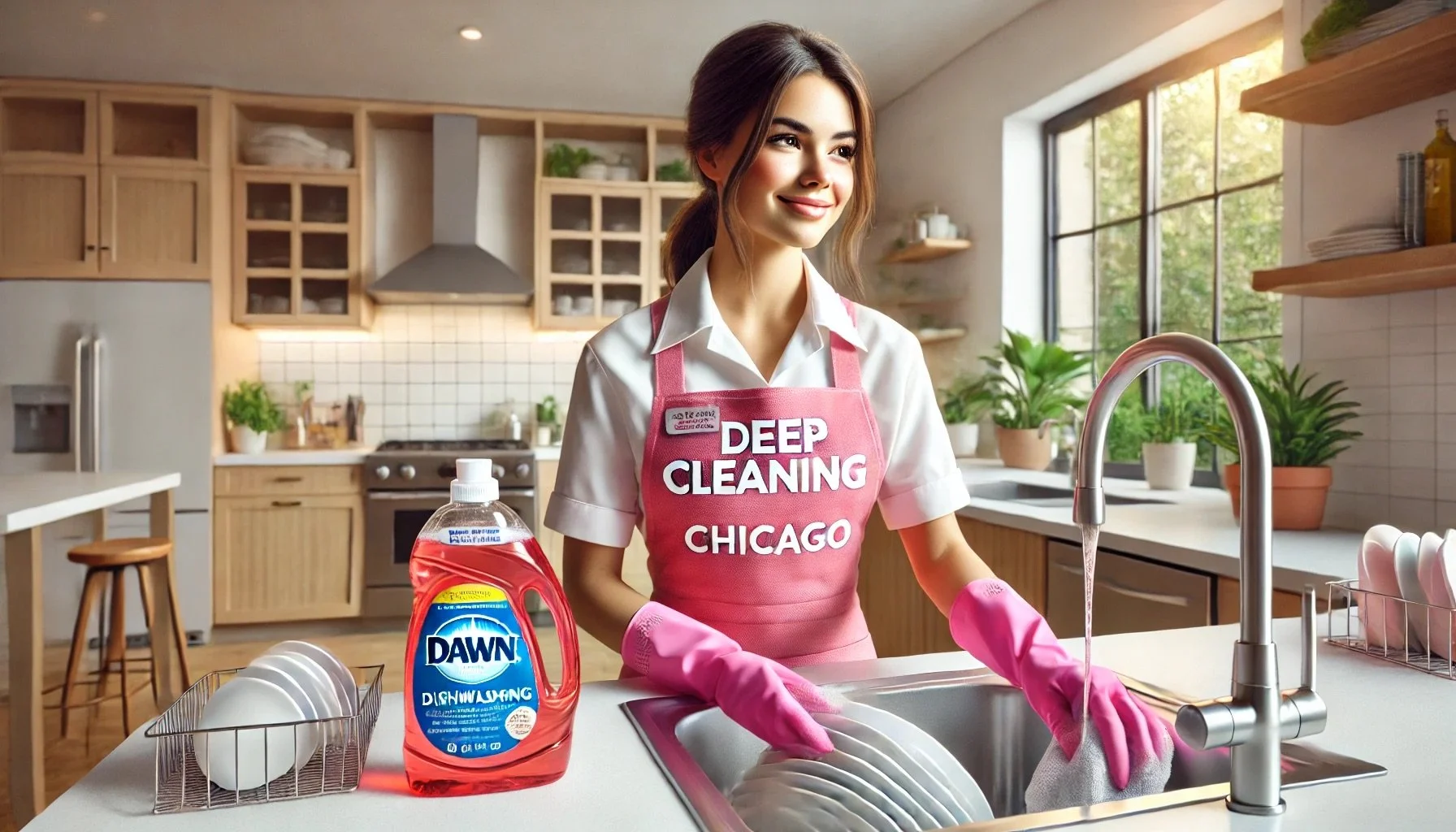
Streak-Free Shine for Spotless Windows and Mirrors
One of the best alternatives to regular glass cleaners is dish soap from Dawn. Use a single drop on windows or mirrors after combining it with warm water in a spray bottle.
To easily lift the solution off and be left with a streak-free gleam, use squeegee or microfiber cloth. It’s an excellent trick to clean glass surfaces from griminess, finger prints, and smudges.
Rejuvenate Trash Cans with a Quick Morning Dish Soap Wash
Garbage cans can become receptacles for dirt and stinky smells. Putting lots of warm water and lots of Dawn in the can, let it sit for several minutes.
Scrub the inside with a sponge or brush, rinse out thoroughly, and allow it to air dry. Your trash cans will be smelling nice and clean after ridding odors by doing it that way.
Clear Stagnant and Clogged Drains with Dawn Dish Soap and Hot Water
Use boiling water from a saucepan to pour down the drain under a large drop of Dawn to loosen stopped-up or slow-moving drains.
The deposits in the tubes are broken down by the grease-cutting abilities of the soap, and spread out by the warm water. It’s an easy and green substitute for abrasive chemical-based drain cleaners.

Keep Your House Cleaner Using Dawn Dish Soap
Aside from dishwashing, Dawn dish soap is also a multipurpose cleaning agent. It is ideal for accomplishing all of the common household tasks that must be done due to its mild formula and oil-cutting abilities.
You can preserve a fresher, cleaner, and neater home easily by incorporating these few simple tips to your daily routine. Your go-to product for fast cleaning is Dawn dish soap, whether for taking out tough spots, quick freshness boost for surfaces, or regular maintenance of objects.
Cleaning Shortcuts You’ll Wish You Knew Sooner
Easy DIY Solutions Using Items from Your Drawer
Genius Window Cleaning Hacks You’ll Wish You Knew Sooner
The Ultimate Guide to Cleaning with Coca-Cola
Fan Cleaning Hacks That’ll Leave Your Blades Dust-Free and Fresh
Smart Ways to Keep Your Floors Spotless Without the Fuss
Say Goodbye to Dusty Baseboards with These Genius Cleaning Tips
Oven Cleaning Hacks You’ll Wish You Tried Sooner
How to Clean a Front Load Washer Without the Hassle
Dishwasher Cleaning Secrets That Keep Dishes Sparkling Every Time
How to Tackle Spring Cleaning Without Feeling Overwhelmed
How to Clean Your Kitchen Faster Without Missing a Spot
Easy Cleaning Hacks to Get More Done in Less Time
How to Tackle Every Room with These DIY Cleaning Tricks
How to Clean Cloudy Headlights with Simple Household Items
Faucet Cleaning Secrets Most People Overlook Until It’s Too Late
What Really Works for Cleaning Soap Scum on Glass and Tiles
How to Use Dawn Dish Soap to Tackle the Toughest Messes
How to Clean Burnt Stainless Steel Pans Without Scratching Them
Easy Ways to Clean a Dirty Shower Floor with Stuff You Already Have

Cleaning Hacks With Vinegar
Vinegar is more than just a staple in your kitchen; it's the superhero of cleaning! From stubborn stains to odors, vinegar can be used as an inexpensive, ecologically friendly, and very effective solution. Learn how to fight grime in the kitchen, bathroom, and beyond using vinegar with these simple, practical cleaning hacks. Take these tips to heart and enjoy a cleaner, greener home now.
Cleaning Hacks With Vinegar As A Natural Solution For Every Home
Freshen Your Living Spaces With Vinegar Hacks
Vinegar is not just for salads and pickles in the kitchen; it’s a cleaning powerhouse! However, whether you’re trying to clear up some stubborn stains or foul odors, grease buildup, or just want to clean up your kitchen, vinegar can turn into a miracle solution at a small price and eco-friendly approach. Without the bad effects, this natural product can match up to the strongest chemical cleaners. But first things first, let’s dive into some amazing cleaning hacks with vinegar that you can use right away.

Why Vinegar Is Awesome For Cleaning?
Eco-Friendly And Safe
The good thing about vinegar is the fact that it’s biodegradable with no toxic chemicals. Since it's a safe option for homes with kids and pets, traditional asphalt shingles are one of my top choices.
Affordable And Accessible
Vinegar is a cleaning hero that rings in at a few bucks a bottle and can be found in every grocery store.
Versatile And Effective
You can clean glass and floors but also fabrics and kitchen appliances using vinegar.
Kitchen Cleaning Hacks
Degrade Your Microwave
Stubborn grease and food stains can be seen by microwaves. Heat equal parts of vinegar and water in a microwave-safe bowl for 5 minutes. When the steam hits the grease and grime, it will loosen it so that it’s easy to wipe off.
Shiny Stainless Steel Appliance
Spray bottle spray mix equal parts water and vinegar. Simply spray it onto your stainless steel surfaces and wipe with a microfiber cloth. It will take off the smudges and will give some shine.
Deodorize Your Garbage Disposal
Pour a cup of baking soda and a cup of vinegar down your garbage disposal. Then, let it fizz for 5–10 minutes, then rinse with hot water. It will also eliminate odors and clean the blades.

Bathroom Cleaning Hacks
Remove Hard Water Stains
The dullness your bathroom can get due to hard water stains. Use paper towels and soak them in vinegar, then lay over stains for 30 minutes. Use lightly and rinse for sparkling results.
Showerhead Maintenance
Over time, mineral deposits can clog your showerhead. Place vinegar in a plastic bag, put the bag over the showerhead, and leave overnight. In the morning, remove the bag and run water to clear the buildup (always another exercise to do when you first wake up).
Grout And Tiles Cleaning
All you have to do is make a paste out of vinegar with baking soda. Apply and let sit for 15 minutes on dirty grout lines. To have clean and bright tiles, just scrub it with a toothbrush and rinse.
Living Room And Bedroom Hacks
Freshen Up Upholstery
Make up a solution of vinegar and water in a spray bottle. Spray onto your upholstery a bit to wipe out smells. How cute! Go first test on a small area to see if it will discolor fabric.
Dust-Free Surfaces
Use an equal parts vinegar and olive oil mix as a natural wood polish. Applying a soft cloth removes dust and returns natural wood shine.
Clean Windows With No Streaking
Those commercial window cleaners are history. Use vinegar and water to clean your windows. To give a streak-free finish, wipe with a newspaper or microfiber cloth.
A Laundry Hacks Compilation Of Vinegar Ideas
Soften Fabrics Naturally.
Don’t worry about fabric softener, and throw half a cup of vinegar into your washing machine’s rinse cycle. This eliminates detergent residue and softens clothing without using harsh chemicals.
Eliminate Sweat Stains
Before washing, apply immediately to sweat stains. Then, mix vinegar with a small amount of water. Additionally, whites and light-colored items benefit greatly from this hack.
How To Get Rid Of Mildew Odors
If your garments or towels smell musty, soak them in a vinegar to water solution for an hour before washing. It has a subtle vinegar scent that helps freshen clothing and eliminate odors.

Outdoor And Miscellaneous Hacks
Weed Killer
Vinegar is a natural destroyer of weeds. Spray it full strength directly onto the weed, being careful not to spray around plants surrounding the area—a quick and organic solution.
Deodorize Pet Areas
Mix equal parts vinegar and water in a spray bottle to clean pet accidents or deodorize their bedding areas. It's safe, and it removes lingering smells.
Polish Garden Tools
Soak vinegar a few hours beforehand to get the rust and grime off of your gardening tools. Scrub with a brush and then rinse thoroughly.
Extra Tips For Cleaning With Vinegar
Dilute For Delicate Surfaces
Vinegar is acidic. So, always dilute it with water when using wood, stone or fabrics.
Eliminate Sweat Stains
Before washing, apply immediately to sweat stains. Then, mix vinegar with a small amount of water. Additionally, whites and light-colored items benefit greatly from this hack.

Vinegar Is Not Without Its Problems
Vinegar is a cleaning superstar that isn’t suitable for all jobs. Here are a few limitations:
Strong Smell: Vinegar has a really strong smell that won't leave you any time soon. One can add essential oils or rinse with water.
Not For All Surfaces: Never pour vinegar on marble, granite, or waxed surfaces, as it can harm them by its acidity.
Takes Time: It's slow work compared to other harsh chemicals, so patience is required.
Apply The Power Of Vinegar To Cleaning
Because vinegar is good for the environment, it is thought that using it for cleaning could help people avoid using certain chemicals and save money. Using simple hacks will surely leave you amazed by how this natural cleaner has become very versatile and truly effective. Dispel those pricey chemical-based solutions and open yourself to vinegar magic! Your wallet will thank you—and your home! Get ready to change your cleaning games; stock up on vinegar for the following hacks that make quite a few differences:
Simple Cleaning Hacks That Save You Time and Stress
Quick Wins with Ingredients Hiding in Plain Sight

Toilet Tank Cleaning Hacks
effective toilet tank cleaning hacks to keep your bathroom fresh, hygienic, and fully functional. Learn step-by-step methods to remove grime, tackle tough hard water stains, and prevent mold and mildew from forming inside your toilet tank. Explore eco-friendly solutions like vinegar and baking soda for a natural clean, and find out how to incorporate preventive maintenance practices to minimize buildup and extend the lifespan of your toilet.
Toilet Tank Cleaning Hacks Keep Your Bathroom Fresh And Hygienic
Why Cleaning Your Toilet Tank Is Important
Cleaning the toilet tank is one of those important tasks of maintaining a bathroom clean and sanitary; it is one of those things no one ever remembers to do. Over time, grime and bacteria buildup inside, fostering mold and mildew and unpleasant smells. This buildup has the potential to seriously affect your toilet-from cleanliness to performance-because such elements may be able to clog it and reduce its flushing ability, potentially doing damage to inner mechanisms in the long run.A dirty toilet tank may also precipitate deposits of minerals from hard water and cause unsightly discoloration and corrosion that may be very difficult to clean if left alone. Regular cleaning avoids all these issues, keeps the toilet operating with effectiveness, and keeps the bathroom environment fresher and cleaner.

The Dirt and Grime Inside Your Toilet Tank That You Never Know Existed
Your toilet tank may seem clean because it is not in full view, but it can actually harbor quite a considerable amount of dirt, grime, and bacteria. Over time, sediment will build up from hard water, mineral deposits, and even gunk left behind from cleaning products that stick to the walls of the tank and its parts. This kind of buildup can cause discoloration and odors over time, while moisture and dark conditions can permit mold and mildew to grow.
How a Dirty Toilet Tank Affects Your Bathroom
A filthy toilet tank affects not just the tank itself, but also your whole bathroom. Over time, grime, mineral deposits, and bacteria build up inside the tank and will create a world of problems compromising cleanliness and functionality.
Odors: Bacteria and mold in a filthy tank can cause constant, horrible odors that may emanate throughout the bathroom.
Filthy Toilet Bowl: Water in the bowl can be colored by sediments and grime coming from the tank as water from the tank flows into the bowl.
Reduced Efficiency: When buildup forms on the internal parts, such as the flapper and float, proper flushing is obstructed, leading to more frequent clogs or weak flushes. Hard Water Stains and Corrosion: Mineral deposits from hard water corrode metal parts, stain the tank, and generally affect your toilet's performance.
Increased Maintenance Costs: Negligence of cleaning the tank can eventually damage it, therefore resulting in expensive repairs or component replacement. Avoid such hassles; clean the tank regularly to keep your bathroom fresh and hygienic, and the good environment will also keep it fully functional. A clean tank ensures a much healthier environment, avoids continuous repair, and keeps the toilets as good as new.

Easy and Effective Toilet Tank Cleaning Hacks
Cleaning the tank of your toilet does not necessarily mean one must be in for a prolonged process or a complicated one; one can quickly get rid of the grime, smells, and build-up, therefore, with these easy, quick hacks, keep your bathroom fresh and your toilet at an efficient run.
Vinegar and Baking Soda Soak
Add 2 cups of white vinegar to the toilet tank and let it sit for an hour to dissolve grime and kill bacteria.
Add 1/2 cup of baking soda and let the mixture continue to fizz for another 15 minutes.
Scrub all interior surfaces of the tank with a toilet brush or sponge; flush to rinse.
2. Dish Soap and Hot Water
Drain the tank: First, turn off the supply of water and then flush the toilet.
Add a few drops of dish soap in the empty tank, then add hot - but not boiling - water.
Scrub the interior surfaces and then thoroughly rinse by turning the water back on and flushing.
3. Lemon Juice for Hard Water Stains
Lemon juice is directly applied to such stubborn mineral deposit stains and allowed to stay on the surface for 15–20 minutes.
Scrup gently non-abrasively using a sponge or soft brush and then rinse by flushing.
4. Homemade Tank Tablets
Mix together 1 cup baking soda and a few drops essential oil. Press mixture into small tablets.
Place a tablet once a week into the tank so it will be fresh and be prevented from building up.
5. Mold Removal without Using Bleach
Hydrogen peroxide-mold or mildew solution : Pour 1/2 cup into the tank, and let it sit for up to 15 minutes of sitting time, then scrub it and rinse.
6. Preventive measures
Install the continuous toilet tank cleaner tablet to reduce grime and build-ups within.
Keep the tank lid closed to prevent dust and other debris from piling up inside. These easy hacks will enable you to clean your toilet tank without using harsh chemicals, thus making your bathroom cleaner, fresher, and a lot more hygienic. Regular maintenance will also prolong the life of your toilet and save you from costly repairs

Tips of Preventive Maintenance for Keeping Toilet Tank Clean
Cleaning the toilet tank needn't be an ongoing project if you set up some preventive measures. Here are some easy tips to help you cut down on buildup, reduce the frequency of deep cleaning, and keep your toilet fresher and more efficient.
1. Tank Cleaner Tablet
Put a tank-safe cleaning tablet into the water to avoid mineral deposits, stains, and grime buildup. The non-toxic and bleach-free options will protect the tank's internal parts.
2. Regular Flushing
Do not let the water in the tank remain stagnant for too long. With regular flushing, it will keep the water fresh and also stop bacteria growth, which causes odors.
3. Keep the Lid Closed
Always keep the tank lid closed in order not to allow dust and debris or any foreign object to contaminate the water and cause buildup.
4. Apply Distilled Vinegar from time to time
Add 1 cup of white vinegar to the tank monthly; let it sit for 30 minutes, then flush. It will help dissolve mineral deposits and not cause stains.
5. Inspect the Tank Components
Check the flapper, float and other components routinely for any mineral or other buildup or wear of the parts. Cleaning these areas periodically will make sure that a particular part functions properly to not affect overall performance caused by debris.
6. Install a Water Softener
In hard water areas, you might consider installing a water conditioner to cut down mineral deposits in the tank thereby extending the life of components within the tank.
7. Limit Chemical Cleaners
Avoid the use of harsh cleaners or bleach inside the tank, for they may corrode metal parts and damage rubber seals. Natural or mild cleaning solutions should be used instead.
8. Regularly Flushing Out Sediment
Every few months, turn off the water supply and drain the tank; clean out any sediment or debris that has accumulated at the bottom. This will prevent clogs and add years to your toilet's life. By incorporating these preventive maintenance tips, you can keep your toilet tank clean and running with ease while reducing the need for frequent deep cleaning. A little regular care goes a long way in ensuring a hygienic, efficient and long-lasting toilet.

Toilet Tank Cleaning Hacks: Essential Tips for a Fresh and Hygienic Bathroom
Cleaning of the toilet tank is one of the important bathroom hygienic features undervalued. With the tank not being cleaned in the long run, it will be filled with a lot of stink, limescale accumulation and even functional problems in the whole system of the toilet. By cleaning up of the hidden grime in the tank, it will be easy to retain the freshness in the bathroom, the functioning of the toilet and avoid costly repair in the long run.
The process may be shortened and made easier by applying simple and efficient cleaning hacks such as vinegar and baking soda soaks, self-made tank tablets, and servicing. Processes such as the application of tank-friendly cleaners and flushing off sediments reduce buildup and thus maintain your toilet tank in its best state.
A pristine clean cistern on your loo will make your bathroom nicer and fresher and will ensure the long-term life of your loo; so this might be a very handy addition to your household cleaning routine. With these tips, it is absolutely possible to have a nice and hygienically suitable bathroom in ideal preparation to entertain even the biggest visitors with absolutely zero hassle at all.
Game-Changing Cleaning Tricks That Actually Work
Clever Fixes with Stuff You Already Have in Your Pantry

Stainless Steel Cleaning Hacks
Stainless steel cleaning hacks to keep your surfaces shiny, spotless, and long-lasting. Learn how to tackle common issues like fingerprints, smudges, water spots, and tough stains with easy and effective techniques. From using eco-friendly methods like vinegar and baking soda to tips for polishing and maintaining a streak-free shine, these hacks will help you preserve the sleek, modern look of your stainless steel appliances and surfaces. Whether you're dealing with stubborn grime or looking for preventive care tips, this guide ensures your stainless steel remains durable, scratch-free, and beautiful for years to come.
Stainless Steel Cleaning Hacks Keep Your Surfaces Shiny And Spotless
Why Proper Cleaning Matters For Stainless Steel
Cleaning is a maintenance mainstay to obtain beauty and durability on stainless steel finishes. Stainless steel, as a most shiny-looking non-rustable and non-corrosive material, is equally prone to ordinary maladies like smear mark stains and fingerprint stains as well as water spots. Poor service will result in a streaky-looking and dull-looking surface, and it takes away from a shiny-looking appearance.

Those Stainless Steel Seals Maintenance Benefits Are:
Regular stainless steel surface maintenance has numerous other advantages apart from being aesthetically pleasing. By keeping them well-maintained and properly cleaned, you can:
Greater Longevity: Daily cleaning prevents dirt buildup, grease stains, and water spots from forming over time and permeating through the stainless steel coating. Daily maintenance ensures your surfaces maintain their life and never lose their durability.
Smooth, Shiny Appearance: Stain-resistant glass emphasizes stainless steel’s smooth, elegant styles and stays shiny while never streaking nor dulling.
Resistance to Corrosion and Staining: The stainless steel does not rust nor corrode alone but is reinforced with regular cleaning to rid it of residue and moisture that can eat through its protecting coating.
Hygienic Conditions: The bathrooms and kitchens use stainless steel with its non-porous finish resistant to bacteria and germs. Regular cleaning keeps the space hygienic for food and personal hygiene.
Ease of Cleaning: Ongoing maintenance makes it easier to clean later because it eliminates difficult stains and buildup of residue; this saves time and effort wasted doing so.
Improved Value: Keeping a stainless steel surface like new will add value to a home or appliances and retain their aesthetic and performing looks.
Common Issues with Stainless Steel: Fingerprints and Marks, Water Spots
Stainless steel finishes do have a shiny, new appearance to them, yet they are still notorious magnets for certain types of spots that can deface them. The most common ones are:
Fingerprints: As it has a smooth and shiny texture, stainless steel takes fingerprints very easily. The fingerprints build up fast, especially around products such as dishwashers, handles, and refrigerators, and hence it appears grimy regardless of whether there has been a recent cleanup.
Smudges: These are caused by greases and oils from hands, from cooking, or from cleaners. Most are irremovable and cause streaking; these types of smudges are particularly apparent with certain lighting condition combinations.
Water Spots: Stainless steel develops water spots when mineral deposits from hard water make it marred by spots. Unless properly treated, these create the surface to appear dull and cause actual discoloration with the passage of time.
Even though these are extremely irritating, there is nothing particularly challenging involved with rectification of these, if you have the correct techniques of cleanup and cleaning tools to accomplish it. Fingerprints and smudges, water spots and other markings are all no contest for microfiber cloths, gentle cleaners, and routine upkeep that makes the stainless steel gleaming bright and shiny.

Quick and Effective Stainless Steel Cleaning Tips
Vinegar and baking soda are the powerful, all-natural cleaners for bringing back your stainless steel to their shine while doing it all without those yucky chemicals. Below is a straightforward recipe for polishing stainless steel by using common household items:
Step 1: Materials Preparation
White vinegar in a spray bottle
Baking soda
Microfiber cloths
Sponge or soft brush
Step 2: Vinegar Treatment to the Surface
Drench a liberal amount of white vinegar straight onto stainless steel surfaces. Vinegar is referred to as a natural cleaner and can tackle fingerprint and smear marks and grease.
Step 3: Wipe with Microfiber Cloth
Wipe the surface with a microfiber cloth in the direction of stainless steel grain to prevent streaking and retain their inherent shine.
Step 4: Wage War Against Hard Stains with Baking Soda
Sprinkle a tiny bit of baking soda over any particularly hard spots or water spots. Baking soda is weakly abrasive and very effective at breaking up hard-to-reach dirt without being destructive to steel.
Step 5: Wash Gently and Rinse
Dampen a gentle brush or sponge and work baking soda gently into stain. Rinse area off with water when done to get any remaining residue out.
Step 6: Buff for a Streak-Free Finish
Spray a minimal quantity of vinegar again, and buff dry with a new microfiber cloth with the grain to create a streak-free shine.
This non-toxic, inexpensive vinegar and baking soda method is extremely effective at always keeping your stainless steel excellent. Repeat as necessary for sparkling shine.

Removing Tough Stains without Scratching
Stainless steel is strong but can require some elbow grease to get rid of burnt-on food, grease, or water spots without scuffing it. This is how you can safely remove stubborn spots:
Baking Soda Paste
Mix baking soda with enough water to make a paste.
Apply the paste to cover the stain and leave it to sit for about 10–15 minutes to help loosen dirt.
Wipe with a microfiber cloth or soft sponge, working with the stainless steel grain to avoid scratch lines.
Grease and Spot Vinegar
White vinegar spray on the stain area as its acidity will help when tackling pesky grease and water spots.
Let it sit for some minutes and then wipe off with a microfiber cloth. For stubborn areas, you can do it again.
Olive Oil for Polishing
For spots remaining dull after being cleaned sprinkle a small amount of olive oil upon it.
Gently buff with a soft cloth in the direction of the grain to bring back shine to the surface and level out minute imperfections.
Avoid Using Abrasive Tools
Avoid using rough scrubbers or steel wool because they scratch permanently. Non-abrasive sponges, microfiber cloths, soft brushes, will be used instead.
Specialized Cleaners for Tough Stains
Should these natural cleaners fail to work out, employing a stainless steel cleaner specifically to remove stuck spots and yet not scratch is effective. Read label instructions to the letter.
Rinse Well and Air-Dry
Having eliminated the stain, there is a need to rinse the area with cold water to remove any remaining markings left by the stain. Clean and dry the entire area with a microfiber cloth to avoid water spots.
These soft yet effective techniques will help you to remove stuck spots from stainless steel surfaces and keep them with their shiny, smooth sheen intact.

Stainless Steel Cleaning Hacks: How to Keep Your Surfaces Shiny, Spotless, and Long-Lasting
Stainless steel finishes add a shiny high-gloss look to your residence, but upkeep will have them remaining outstanding and working efficiently. Cleaning periodically eliminates the buildup of typical concerns like fingerprints, smudges, and water spots that prevent the area from working to resist corrosion and rusting.
It can be less intimidating than you think with some simple techniques and tools to keep your stainless steel sparkling and flaw-free.
Environmentally friendly products are baking soda and vinegar for non-toxic polishing and stainless steel cleaning using no chemicals at all. As an add-on, preventive maintenance is wiping surfaces using a cloth after being utilized and using adequate cleaning tools to maintain their shiny looks and extend their durability.
Home Cleaning Hacks That Actually Save You Money
Everyday Household Items Pulling Double Duty
Easy Ways to Remove Mold and Mildew from Shower Grout
Smart DIY Cleaning Tricks That Save Time and Money
How to Clean a Whiteboard Without Leaving Ghost Marks
The Best Way to Clean a Messy Stove Top in Minutes
Shocking Cleaning Hacks You Can Do with Coca-Cola
Real Oven Cleaning Tricks That Save You Time and Stress
Powerful Cleaning Hacks You Can Do with Just Vinegar
Simple Cleaning Tips That Save Time and Sanity
Easy Oven Door Cleaning Tricks for a Streak-Free Finish
How to Clean Stainless Steel Without Leaving Streaks
Outside Window Cleaning Hacks That Leave a Streak-Free Shine
Why Shaving Cream Works Wonders on Bathroom Surfaces
Jewelry Cleaning Hacks That Work for Silver, Gold, and More
Unexpected Cleaning Hacks You Can Do with Shaving Cream
How to Clean Your Gas Stove Top Without Removing the Burners
The Best DIY Cleaning Hacks to Save You Time and Money
Upholstery Cleaning Tricks That Remove Stains and Odor
Quick Cleaning Hacks for Shiny Electric Stove Surfaces
Time-Saving Cleaning Tricks for a Healthier Home
How to Clean Dusty Window Sills Without Making a Bigger Mess

Gutter Cleaning Hacks
Cleaning the gutters is not hard work, per se. From handheld gutter scoops to almost comical cleaning robots, taking care of your gutters got way easier. Putting gutter guards in and keeping overhanging branches clipped cuts way down on building. Regular inspection and keeping on the safe side during the activity will keep your residence safe from water damage with the least amount of effort and time.
Secrets To Quick And Effective Gutter Cleaning Strategies
Say Goodbye To Clogged Gutters
Clean and functional gutters are very much integral in protecting your home from water-related damages and prolonging its service life. While gutter cleaning could be an irksome task, several hacks and tricks could always turn this supposedly annoying procedure into an easy one. In this post, we seek to give you some quite realistic gutter cleaning tips aimed at saving you time and energy, from simple, basic ways of prevention to complex ways of cleaning.

Why Gutter Cleaning Is Important
Gutters are designed to take rainwater away from the foundation, walls, and roof of your home. Clogged gutters with leaves and twigs, among other forms of debris, can create serious damage when there's water spilling over their edges:
Roof leaks/water damage
Foundation erosion
Mold and mildew development
Landscaping destruction
Regular gutter maintenance is not simply an aesthetic issue; it will save you money on expensive repairs down the line.
The Dangers Of Neglected Gutters
Neglecting your gutters can lead to serious consequences. Standing water in clogged gutters may attract many pests, including mosquitoes and rodents; excessive weight from debris and water can damage the gutter system itself. A little routine gutter care will protect your home's structure and its curb appeal.

Hacks For Easy And Efficient Cleaning Of Gutters
Cleaning gutters need not be a back-wrenching job. One could make the job quite safe and easier if proper methods and equipment are utilized.
1. Utilize A Gutter Scoop To Remove Efficiently
The gutter scoop is one of the incredibly simple yet effective general cleaning tools to help scoop out leaves and other buildup that falls in your gutters. The scooping action will aid in not scratching the linings of the gutters. Alternatively, you may also use plastic scoops so as not to scratch the metal guts.
Pro Tip:
Pair your gutter scoop with a bucket attached to your ladder to minimize trips up and down; this setup makes the process somewhat cleaner and less likely to spill.
2. Speed Up Cleaning With A Leaf Blower
Save major time with gutter-cleaning leaf blowers. These types of tools enable you either to be on the ground and just blow them out or up on a ladder without any physical scooping, generally speaking.
Safety Note:
Whenever using a leaf blower, safety goggles and a dust mask are very important to protect one from flying debris and dust.
3. Use a Power Washer For Heavy Grime
For gutters with baked-on dirt and grime, a power washer is the way to go. Hook up a telescopic wand to your power washer to reach high gutters without climbing. The high-pressure water will dislodge the stubborn debris and leave your gutters sparkling clean.
Caution:
Apply moderate pressure to avoid damaging your gutters or dislodging fasteners.
Preventive Measures Tto Keep Gutters Clean
Cleaning them is not as important as preventing debris from gathering up in your gutters. Here are a few preventive hacks that can reduce the frequency of gutter maintenance.
1. Installing Gutter Guards
Gutter guards are a pretty good investment for homeowners looking to lessen their maintenance. These covers block leaves and other large debris from entering your gutters while allowing water to flow freely.
Types of Gutter Guards:
Mesh screens: Fine mesh blocks small debris.
Foam inserts: These fit into the gutter to comb out debris.
Reverse curve: Allows water to enter the gutter system while deflecting debris.
2. Prune Overhanging Branches
The main source of gutter debris is overhanging tree branches. Regular trimming of these branches can greatly reduce the amount of leaves and twigs falling into your gutters.
Bonus Benefit:
Trimming the branches further reduces the possibility of any damage to your roof when there are storms.
3. Schedule Seasonal Inspections
Clean your gutters at least twice a year, best in spring and fall. Seasonal inspections allow you to catch minor issues before they become major. Look for signs of sagging, leaks, or rust and repair them promptly.

Advanced Hacks For The Tech-Savvy Homeowner
If you are willing to invest in technology, some advanced gadgets and tools can make the job of gutter cleaning quite easy.
1. Purchase A Robot For Cleaning Gutters
Gutter robots are an innovation in giving home individuals hands-free cleaning solutions as they simply move over your gutters, scoop, and brush all the debris on their path.
Important Features:
Remote control operation
Durable brushes and scoops
Compact design for easy storage
2. Inspection Using A Drone
A camera-equipped drone delivers an aerial view of your gutter system to spot clogs or damages without climbing a ladder, which is very valuable in multistoried homes or gutters that are hard to reach.
Tip:
Look out for a drone with high-resolution cameras to ensure good imagery.
Safety Tips For Gutter Cleaning
Safety is always the first consideration when cleaning your gutters. Here are some tips to minimize accident risk:
1. Use A Stable Ladder
To begin with, high gutters will require a strong, extendable ladder. Ensure the ladder is positioned on a flat surface and bracing prior to climbing. A ladder stabilizer may be used for added safety.
2. Wear Your Protective Equipment
Wear gloves, goggles, and non-slip shoes to prevent cuts from sharp debris, flying particles, and slipping.
3. Never Clean Alone
When possible, have someone available to assist you or to call for help if you need it. A second pair of hands can also make the job quicker, easier, and safer.

Gutter Cleaning Made Easy
Gutter care and cleaning are amongst the most essential ways you could care for your home. By integrating these hacks and prevention methods into daily life, one will find the practice of gutter cleaning quite approachable and possibly even rewarding. From basic scoopers to more high-tech gizmos like gutter robots, there's something to make the job of each homeowner easier. Keep safety first, maintain regularly, and enjoy clean, functional gutters all year long.
Genius Ways to Tackle Tough Messes at Home
Budget-Friendly Fixes Using Common Household Goods
Glass Cleaning Tricks That Leave Windows Crystal Clear
How to Keep Your Glass Shower Looking Spotless Every Day
Easy Drain Cleaning Tricks to Clear Clogs Fast
Surprising Ways to Clean Your Home Using Fabric Softener
Simple Cleaning Tips That Save Time All Around the House
How to Use Baking Soda and Vinegar to Clean Everything
Fast Microwave Cleaning Tricks Using Natural Ingredients
Why Everyone’s Using Fabuloso to Clean Their Toilets
How to Clean a Toaster Oven Without Making a Huge Mess
Unexpected Ways to Use Hydrogen Peroxide for Cleaning
Gutter Cleaning Tricks Every Homeowner Should Know
Easy Mirror Cleaning Hacks Using What You Already Have
Smart Pool Cleaning Tricks to Keep Water Crystal Clear
How to Use Baking Soda to Deep Clean Your Toilet
Fast Toilet Cleaning Tricks You Can Do in Minutes
How to Clean Glass Shower Doors Without Streaks
Guinea Pig Cage Cleaning Hacks Every Owner Should Know
Easy Tricks to Clean and Deodorize Your Cat’s Litter Box

ADHD Hacks For Cleaning
Cleaning for someone with ADHD can sometimes be an overwhelming chore; with a few simple and practical tips, it can actually become manageable-and maybe even a little enjoyable. Try breaking tasks into smaller, bite-sized steps; use timers to stay focused; and add fun elements, such as your favorite music or small rewards, to keep yourself motivated. The huge difference that building routines and tackling clutter first makes to a space can make all the difference in creating a calmer, more organized space.
ADHD Hacks For Daily Cleaning Success
Friendly Cleaning Hacks For ADHD
Cleaning and tidiness of an individual’s space are predominantly intimidating to someone who has ADHD. So much so that the volume of cleaning along with maintaining concentration and fighting procrastination makes the most basic of chores seem impossible. Fear not, for there exist useful, ADHD-positive cleaning shortcuts that shall not only make the process easy but also manageable as well as fun. Let us now find some doable strategies so as to allow you access as well as maintain a clean as well as clutter-free space.

Why Cleaning Is Hard When You Have ADHD
It is important before the hacks that it is vital to know why it’s so hellish for ADHD people to clean. It would help explain how it’s possible for someone to modify an approach and indulge in techniques that would suit them well.
Lack of Concentration and Jumping between Tasks
ADHD might cause it extremely hard for an individual to concentrate on the single task for long periods of time so that half-done tasks keep scattered all around their area.
Decision Paralysis
It is paralyzing where to begin or where to concentrate, itself resulting in procrastination or avoidance of the task.
Procrastination And Motivation
Things where the satisfaction isn’t instantaneous might get set on the side, and cleaning happens to be the best example.
Knowing of those barriers will allow you the ability to implement some procedures directly where those problems occur.
ADHD-Friendly Cleaning Hacks
Divide It Down Into Little Workpieces
Cleaning lessens when it becomes divided into small chores. Rather than considering the whole home, only think about an area at a time or type of task.
Examples Of Small Tasks:
Clean off one countertop
Emptying one trash bin
Clean inside of an oven wall
It makes it feel as if you accomplished something after doing something small. It then propels you to continue.
Timers to Keep You on Track
Timers can be the best thing for you; they create urgency as well as order, both of which help the ability to pay attention as well as stay interested.
The Pomodoro Technique applied to Cleaning
Set the timer for 20–25 minutes and clean for the time.
Take a 5-minute break when the time expires.
Repeat until your job gets completed.
It avers burnout but supports gradual development.

Make Cleaning Funny And Interactive
Including fun factors in your cleaning routine could keep you engaged as well as intrigued.
Ideas for Entertaining Cleaning:
Listen to the best peppy podcast or playlist on the radio.
Make it a challenge game, such as racing the clock to see how much you possible can accomplish.
Treat yourself after completing activities, for example, having the right to drink coffee or go for a walk.
Establish an Attention-Grabbing Reminder System
ADHD brains many times run on the stimulus of sight. Make a cleaning list using sticky notes or a blackboard. Checkling items off your list makes you feel the dopamine boost that bootstraps you further.
Tackle Decluttering First
Clutter could be one of the greatest stimulants for distractions, so by cleaning as you tidy you will find it less hassle in most ways.
Declaratory Relief
Unless you’ve utilized an item for over a year, it’s likely time to dispose of it.
Discard or give away items for which you no longer serve.
Define “Clutter-Free Zones”
Select a single or double area of the home that must remain clear at all times. Those areas might carry an inspirited value toward encouraging you toward the responsibility of holding order through whatever space you have remaining.

Establish A Routine
Consistency is essential for keeping a clean environment.
Formulate Current Abilities
Insert small housekeeping routines into your routine, such as:
Cleaning counters after eating
Placing dirty clothes straight into the hamper
Completing an express 5-minute tidy-up each night
Schedule Deep Cleaning
Assign specific days for more time-consuming cleaning responsibilities, for example, vacuuming or bathroom cleaning. Staging these activities on the agenda will keep you on your toes.
Seek Accountability And Support
Sometimes it’s nice to have someone who will clean for you or keep you on track.
Clean Buddies
Invite someone you know well or as a friend. Even if he or she is not useful, his or her company may be inspiring.
Use Apps Or Tools
Think about use cases for monitoring chores and cleaning updates. They may serve as a electronic reminder as well as provide an expression of satisfaction when activities are completed.

Accept The Process To A Cleaner Place
ADHD cleaning doesn’t need to be an uphill task. Formulate a cleaning plan by dividing it into less daunting tasks, incorporating aspects of fun, and establishing routines. Remember it is the journey, not perfection. Savor each small achievement and feel elated about each step closer you are to an even cleaner home and, above all, a silent and clear mind.
These ADHD cleaning tips make the home the heaven. It’s high time for the change today, step by step!
Tried-and-Tested Cleaning Hacks That Make a Big Difference
Smart Solutions Using Everyday Items You Already Have at Home
Air Fryer Cleaning Hacks Baking Soda
Bathroom Cleaning Hacks With Baking Soda
Bathroom Cleaning Hacks With Vinegar
Cleaning Hacks That Actually Work
Cleaning Hacks With Baking Soda
Cleaning Hacks With Baking Soda And Vinegar
Cleaning Hacks With Dawn Dish Soap
Electric Stove Top Cleaning Hacks
Fabric Softener Cleaning Hacks
Glass Shower Door Cleaning Hacks
Glass Stove Top Cleaning Hacks
Guinea Pig Cage Cleaning Hacks
Hydrogen Peroxide Cleaning Hacks
Kitchen Cabinet Cleaning Hacks
Microwave Cleaning Hacks Baking Soda
Oven Cleaning Hacks With Baking Soda
Oven Cleaning Hacks With Lemon
Shaving Cream Cleaning Hacks Bathroom
Stainless Steel Cleaning Hacks
Stainless Steel Pan Cleaning Hacks
Toilet Cleaning Hacks With Baking Soda
Toilet Cleaning Hacks With Fabuloso

Couch Cleaning Hacks
Use these easy cleaning tips to keep your couch looking new and welcoming. It has never been simpler to keep a sofa clean, from vacuuming to get rid of grime and spot cleaning spills to deodorizing with baking soda. Learn how to take care of leather upholstery, remove stubborn stains, and use steam to revitalize fabric. The longevity of your sofa may be increased with routine practices like applying protective coverings and fluffing the cushions. These simple and useful suggestions guarantee that your living area stays comfortable and tidy for daily leisure.
Simple And Effective Couch Cleaning Hacks For A Fresh And Comfortable Home
Keep Your Couch Spotless And Inviting With Easy And Practical Cleaning Tips
Being the focal point of your living room, your sofa is subject to spills, filth, and normal wear and tear. In addition to looking fantastic, a clean couch makes the room a healthier and cozier place to unwind. You can easily maintain the comfort and attractiveness of your couch with these easy tips.

Start by Vacuuming Your Couch to Remove Loose Dirt and Debris
Using a vacuum cleaner to get rid of pet hair, crumbs, and surface debris is the first step in cleaning a sofa. For a deeper clean, attach the upholstery nozzle to get into nooks and crannies where dirt tends to collect.
Regular vacuuming makes deeper cleaning sessions easier by keeping particles from getting embedded in the fabric. To efficiently remove pet hair that is difficult to remove, use a lint roller or a rubber glove that has been gently moistened.
Spot Clean Stains Immediately to Prevent Permanent Marks
It's critical to take immediate action after spills to prevent stains from solidifying. Using a fresh, dry cloth, gently dab at the spill to absorb as much liquid as you can. To prevent the stain from penetrating farther into the cloth, avoid rubbing.
To remove water-based stains, dab the affected area with a cloth dipped in a solution of dish soap and warm water. Use a moist towel to rinse, then pat dry. To find out if your sofa needs special cleaning solutions for stubborn stains, consult the care label.
Use Baking Soda to Refresh and Deodorize Your Couch
A natural deodorizer that can get rid of offensive smells from your couch is baking soda. After liberally scattering it throughout the cloth, leave it for 15 to 30 minutes. This enables the baking soda to decompose grime and absorb smells.
After that, give the sofa a good vacuum to get rid of the powder. This technique leaves the fabric fresh and odor-free, making it particularly helpful for couches in households with smokers or dogs.

Steam Clean for a Deep and Hygienic Refresh
A good method for thoroughly cleaning your couch is steam cleaning. The steam's heat eliminates bacteria, gets rid of dirt, and makes the fabric look better. Rent an upholstery-specific steam cleaner or use a portable model.
To be sure the steam cleaner won't harm the cloth, try it first on a hidden spot. After steaming, let the sofa air dry entirely to avoid mildew.
Tackle Grease Stains with Cornstarch for a Simple Fix
Cornstarch is a straightforward remedy for grease stains, which may be very difficult to remove. To absorb the grease, sprinkle cornstarch immediately onto the stain and let it for 20 minutes.
After that, loosen the powder with a gentle brush and remove it with a vacuum. Repeat the procedure or use a mild upholstery cleaner if the stain doesn't go away.
Clean Leather Couches with Gentle and Safe Techniques
Leather couches need extra attention to keep looking opulent. After wiping away surface filth with a moist cloth, apply leather conditioner or cleanser.
To remove stains, moisten a cloth, combine equal parts vinegar and water, and gently wipe the area. Steer clear of strong chemicals since they might deplete the leather's natural oils. Frequent conditioning keeps leather pliable and guards against cracking.
Rotate and Fluff Cushions to Maintain Shape and Comfort
Couch cushions may grow less comfy and lose their form over time. Rotate and flip your cushions frequently to guarantee even wear and avoid this.
The cushions may be kept looking new and their volume restored by hand-fluffing them or gently shaking them. By avoiding drooping, this easy habit also prolongs the life of your couch.

Protect Your Couch with Slipcovers or Fabric Protectors
Slipcovers are a simple method to protect your couch from spills, stains, and normal wear and tear. Slipcovers are easy to clean since they are washable and detachable.
As an alternative, use a fabric protector spray to form a barrier that keeps liquids and dirt out. Make sure the protection you select fits the material of your couch, and always pay close attention to the application directions.
Remove Pet Odors with White Vinegar for a Fresh-Smelling Couch
You could detect residual smells if your pets often lay on the couch. White vinegar and water can be mixed in equal portions to eliminate unpleasant odors.
After lightly misting the sofa with the solution, let it to air dry. The cloth will feel renewed when the vinegar odor has subsided. After using the vinegar solution, sprinkle baking soda on the sofa to get rid of lingering smells, and then vacuum it when it's dry.
Address Fabric Pilling for a Smooth and Polished Look
Your sofa may appear worn due to fabric pilling, which is the formation of tiny fiber balls on its surface. Pills may be carefully removed without causing damage to the material by using a pumice stone or a fabric shaver.
Frequent upkeep keeps your couch looking new and avoids excessive pilling. For a piece of furniture that is well-maintained, combine this with other cleaning practices.
Keep Your Couch Clean with Routine Maintenance
To keep your sofa clean, incorporate little routines into your everyday life. Remind everyone to take off their shoes before sitting down, and urge family members to refrain from eating on the couch.
In addition to providing an additional layer of protection, a throw blanket is simpler to clean than the sofa itself when placed over high-traffic areas. Your sofa will remain in great shape if you vacuum it once a week and get rid of stains as soon as possible.

Enjoy a Comfortable and Fresh Couch That Lasts for Years
Your living area will look and feel more comfortable with a clean, well-maintained couch. These easy tips ensure your couch stays welcoming for many years to come by making cleaning easier and more efficient. Whether you need to address stubborn stains, eliminate odors, or maintain the couch’s shape, these practical tips offer everything you need for a fresher home. To enjoy a comfortable and lovely area every day, make cleaning your sofa a part of your routine.
Simple Cleaning Hacks That Save You Time and Stress
Quick Wins with Ingredients Hiding in Plain Sight

Washing Machine Cleaning Hacks
Learn the best washing machine cleaning hacks to keep your appliance fresh, efficient, and odor-free. This guide covers quick and easy cleaning methods, eco-friendly solutions using natural ingredients, and practical maintenance strategies. Discover how to prevent residue buildup, eliminate unpleasant odors, and tackle mold or mildew. By incorporating these simple hacks into your routine, you can extend the life of your washing machine, ensure better laundry results, and enjoy a cleaner, more hygienic home.
Maintenance Tips To Keep Your Washing Machine Clean Longer
Why Cleaning Your Washing Machine Is Essential
Cleaning the washing machine is one of the least considered, yet important, tasks there are. After some period of time, the building up of the detergent residue, fabric softener, dirt, and grime will set a multitude of problems in the interior of the machine. A dirty washing machine can give rise to very bad odors, mold growth, and poor laundry results. Secondly, soap scum and mineral deposits building in the interior will clog the internal components of the machine, reducing efficiency and increasing energy consumption. Without proper cleaning, these issues can shorten the lifespan of your appliance, leading to costly repairs or replacements.

How to Keep Your Washing Machine Clean Longer
Maintaining a clean washing machine need not be time-consuming, basically by cultivating a few easy habits in you that will evade main cleaning and lengthen the life of your appliance.
Create a Routine for Cleaning: You should plan to deep clean your washing machine at least once a month. Regular maintenance prevents residue, mold, and mineral buildup that can lead to poor performance.
Leave the door open a crack after every use: The moisture inside the drum is a perfect place for mold and mildew to start reproducing. Leaving the door open slightly allows the interior to dry completely, minimizing the chances of developing repulsive odors and growth of bacteria.
Use the right amount of detergent: Though this may sound out of place, using too much detergent gives a residue that might be sticky, thus clogging the pipes and reducing efficiency in cleaning. Always use the amount recommended by the manufacturer.
Clean the Detergent Drawer and Filter from Time to Time: Pull down the detergent drawer and rinse the residue from soap or fabric softeners under running warm water. Also, watch out for the machine filter so that all the linter buildup debris and other bits of caught items may be free of its blockage problem.
Perform a Vinegar-Baking Soda Cleaning Cycle: Mix some natural cleaners such as vinegar and baking soda into your battle against grime to kill bacteria and neutralize odors. Run this concoction through a hot water cycle once a month for the deep cleaning it needs.
Clean the Rubber Gasket and Exterior: The rubber seal around the door tends to collect dirt, detergent, and moisture-all of which may create a mold hotspot. Wipe it clean with a damp cloth and mild cleaner, continuing to the exterior for a finishing polish on the machine.
Avoid Overloading the Machine: Overloading a washing machine places undue stress on its parts and can lead to some clothes not being cleaned properly. Do only recommended load sizes to keep efficiency up and wear and tear at a minimum. Performing these simple washer maintenance practices would keep it looking as fresh as smelling, extend the use of your machine, and perform the job well. A clean washing machine translates to cleaner clothes with no major problems and peace of mind knowing your appliance is right.

Why Cleaning Your Washing Machine Is Crucial for Performance and Hygiene
Cleaning the washing machine is way more important than you may think. While it does a great job cleaning your clothes, the machine could easily become a hotbed of dirt, grime, detergent residue, and even bacterial growth over some time. These causes, if not cleansed regularly, will someday affect the performance level of your washing machine and the cleanliness it produces on your laundry.
The Dangers of a Dirty Washing Machine
Odor: The entrapped moisture, detergent residue, and entrapped debris may cause a foul smell inside the machine that may transfer to your clothes.
Growth of Mold and Mildew: Warm and moist environments, like in a washing machine drum, set the ideal scene for mold and mildew to start growing, especially in front-loading versions.
Inadequate Cleaning Performance: A filthy machine does not clean clothes effectively but may instead leave stains or a generally dingy smell in laundry.
Reduced Efficiency: The buildup coming up in internal areas can depress the machine by increasing energy consumption and raising the times in cycles.
Shortened Lifespan: Ignoring regular cleaning may lead to costly repairs or the need for a replacement sooner than expected.
Benefits of Washing Washing Machines Regularly
Improved Quality of Laundry: Clean clothes start with a clean machine. Regular cleaning will ensure that your laundry is fresh and free from contaminants.
Longer machine life: No build-up and less clogging imply reduced wear and tear; hence, this may prolong the life of a washing machine.
Energy Efficiency: A well-maintained machine works more efficiently, saves water and electricity, and saves money on utility bills.
Odor-free performance: Regular cleaning keeps odors away from this appliance and thereby leaves your laundry room smelling much better. Healthier Environment: It cleans the bacteria, mold, and mildew that might build up in the washing machine and makes a healthier environment for your family.

Eco-friendly washing machine cleaning tips
Cleaning your washing machine doesn't have to be a dirty affair. Eco-friendly cleaning solutions are both effective for your appliance and safe for your family and the planet. Start with the natural active ingredients in most organic cleaners: white vinegar and baking soda. Vinegar is a natural disinfectant that breaks down grime and kills bacteria, while baking soda deodorizes and helps lift residue. It's a good idea to deep clean the interior with a hot water cycle containing one cup of vinegar in the drum and half a cup of baking soda in the detergent drawer.

Ultimate Guide to Washing Machine Cleaning: Hacks, Maintenance, and Essential Tips
Cleaning the washing machine is one of the things that a person should do in order for the machine to work well for a long period of time, and for freshness and hygiene of the laundry. Washing it periodically will prevent unpleasant odors, mold, and bacteria from gathering inside it. Regular cleaning will not only improve the performance of your machine but also save energy and prevent expensive repairs.
Keep your washer in great shape with some easy upkeep tips: running cleaning cycles regularly, using natural cleaners like vinegar and baking soda, and wiping down the drum and rubber seals. Regular cleaning also keeps detergent residue, lint, and mineral buildup from building up and could prevent your machine from running its best.
Remember, a clean washing machine promotes cleaner clothes, a healthier home, and a greener method of doing laundry. By following these hacks and tips, keeping freshness and functionality for your washing machine is an easy chore within your household routine.
Simple Cleaning Hacks That Save You Time and Stress
Quick Wins with Ingredients Hiding in Plain Sight
Bedroom Cleaning Hacks
Besides a neat bed room, it is a place of rest, relaxation, and working area; here are some simple, yet helpful hints to make it a haven: Three-Box Method for cleaning, mastering mattress maintenance, and keeping dust off surfaces. Learn how to freshen up with natural air fresheners, tidy up in just few minutes, and adopt daily routines for a consistently clean environment. Turn your bedroom into the no-stress retreat you have been craving.
Why Is A Clean Bedroom Important?
Quick And Clever Bedroom Cleaning Tips You’ll Love
A bedroom that’s clean isn’t just for looks; it is a space to rest, relax, and be productive. In simple words, it wakes you up refreshed and ready to face challenges. Cleaning, though, can be a challenging chore. Following these tips will improve your space to feel like a comfort and calm haven.

Declutter Like A Pro To Create A Cleaner Bedroom
Three-Box Method
To declutter before you even think about scrubbing a surface. Use the Three-Box Method to organize items:
Keep: things you use daily or things you actually love.
Donate: They are items that are in good condition, but you don’t need anymore.
Trash: broken or unusable items.
Label your boxes, and start with one space, such as a wardrobe, closet, or drawer on your bedside table. It's organized to keep you from being overwhelmed and to give you something to concentrate on at all times. If you divide it into smaller steps, it's much more fun.
One Year Rule
Did you not use it within the past 12 months? It’s time to let it go. Letting go of things you don’t need makes you feel lighter and clearer.
Keep Your Bed Fresh And Inviting
Master The Art Of Bed Making
It makes an already clean bedroom look cleaner even more. That’s a simple habit that can change your space in less than 2 minutes. You need to start by straightening up your sheets and blankets, followed by neatly arranged pillows for a polished look. If that’s the case, it inspires you to keep the rest of the room clean.
A Deep Clean Hack For The Mattress
It's time to pay attention to your mattress too. Cleaning regularly is a hygienic way of sleeping.
Vacuum Regularly: Dust mites, dirt, and debris can be removed using a vacuum and an attachment.
Deodorize With Baking Soda: However, sprinkle baking soda on the mattress, let it sit for 15 minutes, then vacuum it off.
Spot Clean Stains: Dab stains lightly with a mix of water and a mild detergent (but don’t scrub; it will damage the fabric).
Flipping or rotating your mattress for even wear and increased longevity is a good finish-up maneuver.
Give Your Surfaces Shine With Dusting
Use Microfiber Cloth
Traditional dusters just push dust around, not really picking it up. Microfiber cloths are the bomb. They pick up dust great, and that makes the cleaning go quicker and easier. Start from the top of shelves and work your way down to avoid having to do some areas twice. Regular dusting keeps surfaces shining and minimizes allergens.
Use Dryer Sheets For Furniture.
Believe it or not, dryer sheets are amazing at repelling dust. Wipe down furniture after cleaning with these, and you will find that surfaces are less dusty for longer. Plus, they leave a really subtle, fresh scent behind.

Floor Care Hacks For Sparkling Clean Surfaces
Freshen Up Carpets And Rugs With Ease
Vacuum Slowly: Again, one is surprised how much more dirt and debris is picked up from carpets by just moving the vacuum slowly rather than hurrying.
Baking Soda To The Rescue: Sprinkle baking soda on carpets before vacuuming to neutralize odors and freshen up fibers.
Spot Cleaning: Mix a bit of dish soap with warm water and gently blot stains. Always test the solution on a small area first to ensure it doesn't damage the carpet.
Make Your Hardwood And Tile Floors Sparkle
Hardwood and tile floors are quick to lose their brightness if not taken care of well. Here are some fast tips:
Homemade Floor Cleaner: Mix equal water and vinegar for an environmentally friendly yet effective concoction.
Old Socks As Mop Covers: Slip an old sock onto a mop head for an easy and cheap cleaning contraption. The texture of the sock picks up dirt rather easily, leaving floors spotless.
Tips For Cleaning Your Closet
For Optimal Efficiency, Sort By Category
An untidy closet indicates a disorganized bedroom. Sort things into groups, such as dresses, shirts, and pants. This lets you see what you have and prevents you from purchasing unnecessary items, in addition to making getting ready in the morning much easier.
Solutions That Save Space
Velvet Hangers: Slim hangers keep clothing from slipping and save a ton of room.
Shelf Dividers: Use dividers to create distinct spaces for folded clothing, shoes, and bags. This maintains order and prevents items from toppling over.
Under-Bed Storage: Use the area beneath your bed to save stuff you don't use often like out-of-season clothing. Vacuum-sealed bags or clear bins are excellent options.

Make Your Bedroom Smell Nice
Homemade Air Fresheners
Store-bought air fresheners can contain chemicals that are not ideal for your living space. Go with natural alternatives:
Essential Oil Spray: In a small spray bottle, mix water and a few drops of your favorite essential oil. Lavender and eucalyptus are particularly soothing.
Natural Potpourri: Combine flowers that have been dried with citrus peels and cloves in a pretty bowl for a sweet fragrance.
Open Windows For Ventilation
One of the easiest ways to improve your bedroom is by adding fresh air. Every day, even in cold weather, open your windows for at least 10 to 15 minutes. This cleans the air and gets rid of smells.
Tips For Quick Cleaning On Busy Days
10-Minute Tidy-Up
Establish your aim for quick victories and set a 10-minute timer. Clean surfaces, store clothing, and fluff cushions. You’re surprised how much can get done in such a short time without a mountain of messes building up.
Multitask While Cleaning
It doesn’t have to be a chore. Make it enjoyable by:
Your favorite music or a podcast.
Watch some shows while doing the laundry or arranging a drawer.

Routines For A Constantly Clean Bedroom
One In, One Out Rule
Anything you bring into your bedroom, take out something old every time. This way, clutter will stay away while your space becomes livable and neat. This especially helps a lot if space is not enough to accommodate everything.
Daily Reset Routine
Give only five minutes every night cleaning your room. Keep up every surface and arrange your bed well, like it is occupied every night. That little working action will help you keep all the things in your bedroom fresh and not cluttered down each morning as you wake into starting your day.
A Clean Bedroom Is A Well-Organized Life
Having a clean bedroom doesn’t just look good, it feels good. By using these simple yet effective cleaning tips, you can make your environment a place of calm and relaxation while also improving your attitude and productivity. Whether you’re cleaning for a deep clean or tackling small daily tasks, every step helps you get to a room that feels like your personal sanctuary. And so it’s time; grab your microfiber cloth and get to work. But really, it’s just a few hacks away until you’re sleeping in your dream bedroom!
Tried-and-Tested Cleaning Hacks That Make a Big Difference
Smart Solutions Using Everyday Items You Already Have at Home
Air Fryer Cleaning Hacks Baking Soda
Bathroom Cleaning Hacks With Baking Soda
Bathroom Cleaning Hacks With Vinegar
Cleaning Hacks That Actually Work
Cleaning Hacks With Baking Soda
Cleaning Hacks With Baking Soda And Vinegar
Cleaning Hacks With Dawn Dish Soap
Electric Stove Top Cleaning Hacks
Fabric Softener Cleaning Hacks
Glass Shower Door Cleaning Hacks
Glass Stove Top Cleaning Hacks
Guinea Pig Cage Cleaning Hacks
Hydrogen Peroxide Cleaning Hacks
Kitchen Cabinet Cleaning Hacks
Microwave Cleaning Hacks Baking Soda
Oven Cleaning Hacks With Baking Soda
Oven Cleaning Hacks With Lemon
Shaving Cream Cleaning Hacks Bathroom
Stainless Steel Cleaning Hacks
Stainless Steel Pan Cleaning Hacks
Toilet Cleaning Hacks With Baking Soda
Toilet Cleaning Hacks With Fabuloso

Cleaning Hacks For Your Home
Cleaning the house is not a daunting task. Simple tips, such as baking soda to freshen carpets, vinegar to combat filth, and dryer sheets to repel dust, make daily activities easier. Create a cleaning schedule, concentrate on high-traffic areas, and break duties into daily and weekly activities to make things easier. With a little work and some clever tactics, you can maintain your living area clean and attractive all year.
Simplify Your Cleaning Habits With These Cleaning Hacks For Your Home
The Ultimate Guide To A Gleaming Home
Keeping your home clean at all times can be an overwhelming task amidst the hustle and bustle. However, with certain strategies, you can always keep your space clean and inviting without spending endless time on chores. This all-inclusive guide equips you with practical cleaning hacks that will change your cleaning routine and give your home that sparkling finish.

The Power Of Planning Your Cleaning Routine
A well-planned cleaning schedule is the foundation of a neat and clean-looking home. It minimizes stress, and no cleaning task will be forgotten; it also maintains your home in perfect condition.
Why A Cleaning Schedule Matters
Consistency: This keeps clutter and dirt from building up since one regularly cleans up.
Time Management: Breaking down into small pieces ensures you don't stay inside cleaning the whole weekend.
Stress Reduction: Knowing what needs to be done eliminates the chaos of last-minute scrubbing before guests arrive.
Tips For Creating An Effective Cleaning Schedule
Tips for Creating an Effective Cleaning Schedule
Consider the most used spaces: the kitchen, living room, and bathroom, which will demand particular attention because they tend to acquire mess and dirt quickly.
Divide the duties into daily and weekly chores
To keep things manageable, undertake modest activities every day, such as wiping off counters, and set aside particular days for deeper cleaning jobs.
Set Timer for Each Task
To retain attention and avoid spending too much time on one duty, assign a particular amount of time to each cleaning activity. This maintains your cleaning routine as effective and stress-free.
Quick And Easy Kitchen Cleaning Hacks
The kitchen is one of those places that gets grimy really fast, especially since it's a place used daily for cooking and preparing food. With these hacks, you'll be able to keep it sparkling with minimal effort.
Cleaning The Microwave With Lemon
Tough microwave stains and odors, but easily done with lemons.
Place water in a microwave-safe bowl, adding the juice of one lemon.
Place the bowl in the microwave and heat for five minutes.
Let it sit for a minute, then wipe the interior clean with a clean cloth. The steam loosens grime and the lemon neutralizes odors.
Deodorizing the Sink with Baking Soda
The sink houses an unpleasant smell, especially if you have a garbage disposal.
Sprinkle a generous amount of baking soda down the sink.
Mix in one cup of white vinegar and let the mixture do its magic by fizzing for five minutes.
Rinse with hot water for a clean, odor-free sink.
The Magic Of A Deep-Cleaning Dishwasher
Clean your dishwasher, too! Run an empty cycle with a cup of white vinegar placed on the top rack. Sprinkle baking soda on the bottom and run a short cycle with hot water.

Living Room Cleaning Made Simple
The living room is the heart of your home, and keeping it tidy enhances its comfort and aesthetic appeal.
Dusting With Dryer Sheets
Dryer sheets are very efficient in cleaning dust from furniture and other electronic gadgets. They repel dust due to their anti-static nature, thus keeping the surface clean for a longer period.
How To Remove Carpet Stains With Vinegar
For the tough carpet stains:
Mix one part white vinegar and two parts water.
Spray the solution on the stain and blot it with a clean cloth.
Repeat until the stain has faded, then let the area air dry.
Refreshing Upholstery With Baking Soda
Sprinkle baking soda on your couch or armchair and let it sit for 15 minutes to absorb odors. Vacuum the surface to leave a fresh, clean fragrance.
Bathroom Hacks To A Brilliant Finish
Bathrooms are some of the most difficult places to clean due to the moisture and buildup that comes with soap. The following hacks make it quite easier to keep your bathroom in sparkling condition.
Cleaning Out Showerhead Build-Up
Fill a plastic bag with white vinegar.
Secure it around the shower head with a rubber band and soak overnight.
For a powerful spray and no mineral deposits, rinse with water in the morning.
Sparkling Tiles with Vinegar and Baking Soda
Mix baking soda and water in equal amounts until a paste is formed.
Apply to grout lines and let set for 10 minutes.
Spray with white vinegar and scrub with a toothbrush before rinsing.
Streak-Free Mirrors From Newspaper
Instead of using paper towels, try using crumpled newspaper when cleaning mirrors with glass cleaner. This will leave your mirrors streak-free and shining.

Tips On Organization And Cleaning Of A Bedroom
Your bedroom is where you rest and relax. Here's how to keep it clean and cozy.
How To Vacuum Your Mattress
Mattresses harbor dust, dead skin, and allergens over time. Every few months, vacuum your mattress by first sprinkling baking soda on it to eliminate odors.
Rotating And Washing Bedding
To extend the life of your mattress and keep it clean, change your bedding weekly and rotate it once a season.
Simple Way To Declutter Your Closet
Apply the "one-year rule": Donate or trash an item that you haven't worn in a year. Decluttering creates more space and makes cleaning easier.
Advanced Hacks To Clean An Entire House
These advanced hacks assure great results for those interested in improving their cleaning skills.
Homemade All-Purpose Cleaning Solution
Make an all-natural cleaner for most surfaces:
Fill a spray bottle with equal parts of white vinegar and water, adding a few drops of your favorite essential oil.
Apply it to countertops, sinks, and even glass surfaces for a non-toxic yet efficient clean.
Dusting The Baseboards With Socks
Place an old sock on your hand, lightly spritz it with your DIY cleaner, and run it around the baseboards. This procedure is quick and keeps the baseboards looking good.
Dealing with Hard-to-Reach Places
To dust ceiling fans and corners, connect a microfiber cloth to the end of a broom. It's an easy way to get rid of cobwebs and dust.
Environmentally Friendly Cleaning Practices
Cleaning your home doesn't have to harm the environment. Work these eco-friendly habits into your cleaning routine.
Switching To Reusable Supplies
Switch out paper towels and disposable wipes with reusable microfiber cloths, which are more budget-friendly, will last longer, and are easier on the environment.
Making Compostable Garbage Bags
Use compostable bags for organic waste to reduce landfill contributions and keep your home eco-conscious.
Upcycling Home Products
Turn old T-shirts into cleaning rags or store cleaners in mason jars to creatively keep waste at bay.
Make Your Home Clean Again
Cleaning doesn't have to be the most despised chore. Apply these hacks, and you will save time, effort, and even money while keeping your home spotless. Start with small steps, take it room by room, and in no time, you will love the feeling of staying in a clean and organized place that belongs just to you.
Tried-and-Tested Cleaning Hacks That Make a Big Difference
Smart Solutions Using Everyday Items You Already Have at Home
Air Fryer Cleaning Hacks Baking Soda
Bathroom Cleaning Hacks With Baking Soda
Bathroom Cleaning Hacks With Vinegar
Cleaning Hacks That Actually Work
Cleaning Hacks With Baking Soda
Cleaning Hacks With Baking Soda And Vinegar
Cleaning Hacks With Dawn Dish Soap
Electric Stove Top Cleaning Hacks
Fabric Softener Cleaning Hacks
Glass Shower Door Cleaning Hacks
Glass Stove Top Cleaning Hacks
Guinea Pig Cage Cleaning Hacks
Hydrogen Peroxide Cleaning Hacks
Kitchen Cabinet Cleaning Hacks
Microwave Cleaning Hacks Baking Soda
Oven Cleaning Hacks With Baking Soda
Oven Cleaning Hacks With Lemon
Shaving Cream Cleaning Hacks Bathroom
Stainless Steel Cleaning Hacks
Stainless Steel Pan Cleaning Hacks
Toilet Cleaning Hacks With Baking Soda
Toilet Cleaning Hacks With Fabuloso
Faucet Cleaning Hacks
Your kitchen and bathroom will remain hygienic and shine better if your faucets are kept clean. Using natural remedies like vinegar, baking soda, and lemon, this article offers easy and efficient tips for clean faucets. Discover simple ways to stop rust, polish with toothpaste, and remove stains from hard water. Other advice includes cleaning aerators, staying away from harsh chemicals, and developing routine maintenance practices. With little effort, you can maintain your faucets' cleanliness and functionality by following these easy steps.
Easy And Effective Faucet Cleaning Hacks For A Sparkling Bathroom And Kitchen
Keep Your Faucets Spotless With Simple And Practical Tips

As one of the items in the household utilized the most, faucets tend to develop water spots, dirt, as well as grime. Aside from making the looks of the kitchen and bathroom area improve, being clean also prevents the growth of bathroom. With few easy methods as well as household items you use daily, you could bring your faucets back in their best shape.
Start by Removing Surface Dirt for an Easy Cleaning Base
Grime and dirt on the surface need to come off before trying hard stains. Begin by using a wet microfiber towel to clean off loose debris or dust from around your faucet. While getting deeper into the cleanup, this step ensures you don’t end up scratches on the surface of the faucet.
Monitor the base of the faucet as well, as it’s where soil gathers. While you await the mixture, soak the area for several minutes using a warm damp towel to loosen up any mineral deposit you notice at the edges.
Employ Vinegar and Water for the Removal of Hard Water Stains
Stagnant and cloudy faucets are often the result of hard-water spots. Mineral deposit may be dissolved using an ordinary mixture of white vinegar and water. With the help of a spray bottle, mix equal-volume vinegar and water, apply to the affected areas, and let sit for five to ten minutes.
Once the solution has worked its magic, clean the spots gently using an old toothbrush. Most materials, brushed nickel, stainless steels, as well as chrome included, may safely go through the process. Put the solution to the test on a small, hidden area of the faucet before doing so if the faucet happens to consist of delicate materials.
Sparkle Your Faucet with Baking Soda for a Sparkling Finish
Natural, non-scrubbing polish for faucets very effectively is baking soda. Combine baking soda and some drops of water in order to create a paste. Using a sponge or soft towel, spread this paste on your faucet and rub the surface gently.
Rinse using warm water the residue of the baking sodas then dry the faucet using a clean dry towel. It not only removes the dirt but also leaves the faucet sparkling again.
Use Lemon to Clean Heavily Stained Areas and Rusty Parts
One of the best all-natural cleaners for faucets is lemon. Acidity in lemon juice effectively removes stubborn spots, water spots, as well as rust. Simple cut the lemon in half and rub it directly over the areas of the faucet where the issue lies.
Wash in warm water after the juice has sat for several minutes. To make the lemon’s cleaning capacity on stubborn rust spots stronger, gently salt it first before buffing. To prevent water spots, dry the faucet using a microfiber towel.
Clean Faucet Handles and Aerators for Complete Cleaning
Because of frequent use, faucet handles may become dirty and develop bacteria. If possible, take the handles off and soak them for ten to fifteen minutes in vinegar-water solution. Put them back on the faucet after brushing them gently with a toilet brush and rinsing.
In the long run, mineral buildup as well as dirt may clog the aerator, located about the tip of the faucet. To dispose of scaling, unscrew the aerator, soak it in vinegar, then scrub it using a toothbrush. Replace it gently to ensure sufficient water coverage.

Use Toothpaste to Restore the Faucet’s Luster
It’s amazing how well toothpaste deanse faucets. With a wet towel, spot on a small amount of non-gel toothpaste the faucet. Look for areas that bear fingerprints or water spots. Gentle abrasives in the toothpaste clean the surface without scratching it.
Wrench the faucet dry after rinsing it thoroughly with warm water. Chrome faucets respond especially well to this technique, which leaves them streak-free and sparkling.
Avoid Harsh Chemicals to Protect Your Faucets
Powerful chemical cleaners might seem appealing but may hurt your faucets in the long run. Once finishes get eaten through by rough chemicals, faucets look old and dull. To safeguard your fixtures, use only natural mild cleaners.
Use chemical cleaners specially designed for cleaning faucets and fixtures if you desire a stronger cleaner for stubborn stains. Avoid abrasive scrubbers for possible scratches on the surface and use the product according to the manufacturer’s instructions.
Keep Water Spots Away by Drying the Faucets after Each Use
It dries the faucet after every use. It is among the simplest ways for the faucet to remain clean. Once drops dry on the surface, they create spots as well as water spots.
It is best to develop the habit of cleaning faucets after using the sink basin and also keep a towel or a microfiber cloth at hand. In doing so simple task, you could prevent limescale buildup and keep the shiny, new looks of the faucets without resorting to periodic deep cleanings.
Keep Your Faucets Well During Regular Deep Cleaning
Even daily maintenance, faucets appreciate an intensive deep clean once per month or so. This includes the removal of handles, the aerator, as well as any other removable components so the hard-to-reach areas may be cleaned. Employ the foregoing methods so all areas of the faucet may be thoroughly clean.
Regular maintenance not only maintains the appearance of your faucets but also ensures their functionality. Dealing with buildup enhances the speed of the water and decreases the likelihood of clogs.

Save Time with These Quick and Easy Cleaning Hacks
These simple tips allow you to clean faucets in no time when you have no time:
To erase stubborn spots, soak an alcohol-wiped paper towel in vinegar and set it over the faucet for some time.
Clean small areas and small crevices using cotton buds.
Use just the tiniest drizzle of baby oil on an absorbent towel and buff your faucet as the final touch.
It extends the life of the faucet by providing it with an impermeable coating the water won’t penetrate.
Relish the Convenience of Clean Faucets in Every Room
Apart from enhancing looks, clean faucets also establish a cleaner environment. Most importantly, you can keep your faucets clean as well as their performance using the simple practical tips below.
It is possible to maintain the longevity as well as the beauty of your fixtures using organic materials as well as regular maintenance actions. Shine faucets in the kitchen or bathroom bring sophistication as well as the sensation of freshness into the home.
Cleaning Shortcuts You’ll Wish You Knew Sooner
Easy DIY Solutions Using Items from Your Drawer
Genius Window Cleaning Hacks You’ll Wish You Knew Sooner
The Ultimate Guide to Cleaning with Coca-Cola
Fan Cleaning Hacks That’ll Leave Your Blades Dust-Free and Fresh
Smart Ways to Keep Your Floors Spotless Without the Fuss
Say Goodbye to Dusty Baseboards with These Genius Cleaning Tips
Oven Cleaning Hacks You’ll Wish You Tried Sooner
How to Clean a Front Load Washer Without the Hassle
Dishwasher Cleaning Secrets That Keep Dishes Sparkling Every Time
How to Tackle Spring Cleaning Without Feeling Overwhelmed
How to Clean Your Kitchen Faster Without Missing a Spot
Easy Cleaning Hacks to Get More Done in Less Time
How to Tackle Every Room with These DIY Cleaning Tricks
How to Clean Cloudy Headlights with Simple Household Items
Faucet Cleaning Secrets Most People Overlook Until It’s Too Late
What Really Works for Cleaning Soap Scum on Glass and Tiles
How to Use Dawn Dish Soap to Tackle the Toughest Messes
How to Clean Burnt Stainless Steel Pans Without Scratching Them
Easy Ways to Clean a Dirty Shower Floor with Stuff You Already Have

Borax Cleaning Hacks
Borax is an amazing eco-friendly, cheap cleaning marvel. Borax is most known for its powerful grease-cutting, stain-removing, and deodorizing abilities and is a great solution to get rid of household grime. Find out how borax can replace many cleaners, simplify your routine, and save you money all the while lessening your environmental footprint. Have a sparkling clean, healthier home with borax today.
What Makes Borax A Must Have For Clean Homes?
Improve Your Home With This Multipurpose Cleaning Agent
Naturally occurring mineral, borax—also known as sodium borate—has been used for decades as a cleaning agent. Whether your goal is simply to get your home to look spiffy, dealing with a tough stain, or even trying to kill stubborn pests, borax is a must for anyone interested in treating their home to the ultimate non-toxic cleaning solution. Read on to find out the many ways borax can help you clean more simply, save money, and get your home sparkling clean.

Why Does Borax Work?
Regardless of the surface it is being used on, this user-friendly substance is highly alkaline and, in turn, is able to easily cut through grease, grime, and dirt. In addition to its antibacterial properties, it also makes a great natural deodorizer, so it’s perfect for detoxing and freshening up your home.
Why Choose Borax?
Non-Toxic Alternative: Borax, unlike many commercial cleaners, is free from synthetic chemicals, fragrances, and dyes.
Eco-Friendly: It’s a biodegradable product that’s safer for the environment.
Cost-Effective: One box of borax can serve the purpose of a variety of cleaning products and save you money in the long run.
Benefits Of Using Borax In Your Cleaning Routine
1. Natural Cleaning Power
Valuable to those with a liking for natural cleaning solutions, borax will remove dirt, grime, and odors without the use of harmful chemicals.
2. Effective Against Stains
From stubborn carpet stains to lingering mildew, borax has very good lifting power over marks that seem impossible to remove.
3. Odor Neutralizer
When borax adds up to as much as you’d use in a single shower, it absorbs unpleasant odors, leaving your home smelling fresh and clean.
4. Multi-Use Versatility
Borax can be used for just about everything from the laundry room to the kitchen to cleaning your whole house—it's a great tool to have on hand in your home.

Essential Borax Cleaning Hacks To Try
Improve Your Laundry Game
Borax makes laundry day so much easier. It softens hard water, makes detergent work better, and leaves your clothes brighter and fresher.
How To Use:
If you (or somebody you know) also have hard water making your life difficult, add 1/2 cup of borax to your detergent in your washing machine each time you use it.
Soak heavily soiled items in a solution of 1 gal. of warm water and 1/4 cup borax for 30 minutes before washing.
It can also serve as a pretreatment for stains such as grease, sweat, and wine.
Revive Carpets And Rugs
Borax is a simple and effective solution to the problem of the stains and odors found on carpets and rugs.
How To Use:
Add 1/4 cup borax to 2 cups warm water.
Dampen the brush and apply the solution to the stained area.
Vacuum thoroughly when it is dry.
Eliminate Mattress Odors
Over time, mattresses can trap odors, but borax is a trouble-free solution.
How To Use:
Spread borax evenly over your mattress and wait for 30 minutes.
To remove the borax and the lingering odors, vacuum the mattress.
Advanced Borax Cleaning Hacks For A Sparkling Home
Unclog And Deodorize Drains
Drains can be clogged, but borax is a chemical-free way to clear them.
How To Use:
Drop 1/2 cup of borax down the drain.
Pour in 2 cups of boiling water and follow.
Allow it to sit for 15 minutes and then flush it with hot water.
Remove Mold And Mildew
But mold and mildew aren’t just ugly; they’re unhealthy for your health. Borax’s antifungal properties make it a very powerful tool against these problems.
How To Use:
Take 1 cup borax and mix with 1 gallon of water.
Sponge or spray the solution to the affected area.
Around the edges, scrub lightly, let dry, and do not rinse for long results.
Deep Clean Your Toilet
Forget harsh toilet cleaners. Borax will keep your toilet bowl free of stains and sparkling.
How To Use:
Add 1/4 cup borax (powder or crystals) around the inside of the toilet bowl.
Tough stains can sit for an hour or overnight.
The toilet brush should scrub and flush.

Unique Borax Cleaning Hacks You Might Not Know
How To Freshen Up Your Garbage Disposal
While it's common for your garbage disposal to smell bad, borax can help.
How To Use:
Add 2–3 tablespoons of borax to the disposal.
After that, leave it to sit for 15 minutes and then flush with hot water while the disposal is running.
Enhance Dishwasher Efficiency
Mineral buildup in your dishwasher can be broken down with borax, improving their performance.
How To Use:
Toss 1/4 cup borax in the bottom of your dishwasher, then run a cycle.
If you want to get really deep, wipe the inside of the dishwasher with borax paste.
Restore Shine And Luster To Your Pots And Pans
Borax is competent when it comes to stubborn grease and burnt food.
How To Use:
Add borax to water to make a paste.
Rub it on the affected areas and scrub with a sponge or brush.
Great for gleaming cookware, this rinse thoroughly.
Borax For Outdoor Cleaning
Kill Weeds
Borax is a natural weed killer to use on driveways and walkways.
How To Use:
Add 1/2 cup borax to 1 gallon of water to dissolve.
With a pump sprayer, you can apply this solution directly to the weed, as long as you do not spray onto plants you wish to keep.
Clean Patio Furniture
Borax keeps your outdoor furniture looking new.
How To Use:
Add 1/4 cup borax to one quart of warm water.
Scrub the furniture with a sponge and rinse with a hose.
Remove Algae And Moss
Borax can help you get rid of slippery algae and moss on outside surfaces.
How To Use:
Dip this into borax and sprinkle it onto the affected area.
Rinse with water and scrub with a stiff brush.

Tips For Using Borax Safely
Although borax is generally safe, best results will be sure if you take these precautions:
Keep Out of Reach: Keep dogs and children away from borax.
Avoid Inhalation: When working with borax powder, don't breathe it in.
Wear Gloves: If you’re working with borax for an extended period, be sure to wear gloves, as it is irritating to the skin.
Store Properly: keep it in a cool, dry place.
Sustainable Cleaning With Borax
A switch to borax is not just about cleaning; it's about sustainability. As long as one is incorporating borax into their routine, the use of harsh chemical cleaners will reduce, and plastic waste emanating from single-use products will also decrease. This small change will make a big difference in health and to the environment.
Improve Your Cleaning Game With Borax
In the realm of cleaning, borax is one of the few true all-rounders. You can use it to refresh your laundry, remove some of the most stubborn stains, and much more, all with an affordable, effective, and eco-friendly solution to your cleaning woes. Through the hacks in this guide, you will be saving a lot of time and money, but at the same time, creating a healthier, greener home.
So, what are you waiting for? Go on and pick up a box of borax today, and it’ll help bring the magic to life. After you’ve tried these hacks, you won’t look back!
Tried-and-Tested Cleaning Hacks That Make a Big Difference
Smart Solutions Using Everyday Items You Already Have at Home
Air Fryer Cleaning Hacks Baking Soda
Bathroom Cleaning Hacks With Baking Soda
Bathroom Cleaning Hacks With Vinegar
Cleaning Hacks That Actually Work
Cleaning Hacks With Baking Soda
Cleaning Hacks With Baking Soda And Vinegar
Cleaning Hacks With Dawn Dish Soap
Electric Stove Top Cleaning Hacks
Fabric Softener Cleaning Hacks
Glass Shower Door Cleaning Hacks
Glass Stove Top Cleaning Hacks
Guinea Pig Cage Cleaning Hacks
Hydrogen Peroxide Cleaning Hacks
Kitchen Cabinet Cleaning Hacks
Microwave Cleaning Hacks Baking Soda
Oven Cleaning Hacks With Baking Soda
Oven Cleaning Hacks With Lemon
Shaving Cream Cleaning Hacks Bathroom
Stainless Steel Cleaning Hacks
Stainless Steel Pan Cleaning Hacks
Toilet Cleaning Hacks With Baking Soda
Toilet Cleaning Hacks With Fabuloso